Peritonsillar abscess !
A peritonsillar abscess is a pocket of pus beside a tonsil, usually after tonsillitis; it causes severe one-sided throat pain and trouble opening the mouth.
Updated 2026-10-29
Structures involved
Tap one to see what it is and open it in 3D.
- Palatine tonsils
- Soft palate
- Pharynx
- Pharyngeal constrictors
- Internal carotid artery
- Internal jugular vein
- Neck lymph nodes
In immunology
In histology
In embryology
In the clinical exam
Why it happens
What it is
Collection of pus between the capsule of the palatine tonsil and the superior pharyngeal constrictor muscle, usually a complication of tonsillitis. Also called quinsy; it is the most common deep neck infection.
Who gets it
Mostly affects adolescents and young adults. Often follows streptococcal or other bacterial pharyngotonsillitis, sometimes after incomplete treatment.
Causes
- Polymicrobial infection
- Streptococcus pyogenes (group A streptococcus)
- Fusobacterium necrophorum and other anaerobes
- Staphylococcus aureus, other streptococci
Risk factors
- Recurrent tonsillitis
- Smoking
- Periodontal disease
- Adolescence and young adulthood
Pathophysiology
Infection spreads from the tonsil, or from the minor salivary (Weber) glands at the upper pole, into the loose tissue behind the tonsillar capsule. First cellulitis (phlegmon) forms, then an abscess that pushes the tonsil and soft palate towards the midline and irritates the medial pterygoid muscle, causing trismus.
Symptoms and signs
- Severe sore throat, usually worse on one side
- Painful swallowing and drooling
- Muffled «hot potato» voice
- Trismus (difficulty opening the mouth)
- Fever and malaise
- Ear pain on the same side
- Uvula displaced to the opposite side and bulging soft palate
Diagnosis
- Clinical
- Usually clinical: unilateral swelling above and behind the tonsil, deviated uvula, trismus and muffled voice. Needle aspiration that draws pus confirms the abscess and treats it.
- Tests
- Complete blood count and inflammatory markers; culture of the aspirated pus. Rapid strep test or monospot when the cause is unclear.
- Imaging
- Intraoral or neck ultrasound helps separate abscess from cellulitis. Contrast CT of the neck if the diagnosis is unclear, trismus prevents examination or deep neck spread is suspected.
Differential diagnosis
- Peritonsillar cellulitis (phlegmon)
- Severe tonsillitis or infectious mononucleosis
- Retropharyngeal or parapharyngeal abscess
- Epiglottitis
- Tonsillar tumour (in an adult with persistent asymmetry)
- Internal carotid artery aneurysm (rare)
Goal of treatment
Drain the pus, treat the infection, protect the airway and prevent spread to the deep neck spaces.
Treatment
- Procedure
- Needle aspiration or incision and drainage under local anaesthesia; needle aspiration may need to be repeated.
- Medical
- Empirical antibiotics covering streptococci and oral anaerobes, intravenous at first in more severe cases, then oral; adjusted to culture results.
- Medical
- A corticosteroid may be added to reduce pain and swelling (practice varies), with analgesics so the patient can drink.
- Surgical
- Tonsillectomy: immediate («quinsy tonsillectomy») in selected patients, or later for recurrent abscess or recurrent tonsillitis.
- Acute
- Airway assessment and support, intravenous fluids for dehydration and hospital admission when the patient cannot swallow or is unwell.
Complications
- Airway obstruction
- Spread to the parapharyngeal and retropharyngeal spaces or mediastinum
- Internal jugular vein thrombophlebitis (Lemierre syndrome)
- Erosion of the carotid artery (rare)
- Recurrence
- Aspiration pneumonia if the abscess ruptures
Prognosis
Excellent with prompt drainage and antibiotics. Recurrence is uncommon but more likely in people with recurrent tonsillitis.
Test yourself
Think of the answer, then tap the question to see it.
Between which structures does a peritonsillar abscess form?
Between the tonsillar capsule and the superior pharyngeal constrictor muscle.
What three signs are classic for peritonsillar abscess?
Trismus, a muffled «hot potato» voice and the uvula pushed to the opposite side.
What is the main treatment of a peritonsillar abscess?
Drainage by needle aspiration or incision, plus antibiotics covering streptococci and anaerobes.
Why does trismus occur in peritonsillar abscess?
Inflammation spreads to and irritates the nearby medial pterygoid muscle.
Related conditions
Educational information, not medical advice. For any symptom, see a health professional.
Sources: Peritonsillar Abscess (StatPearls (NCBI Bookshelf), 2026).
Spotted a mistake?We are always improving for the community. Tell us what is wrong and our team will review it.Report a mistake
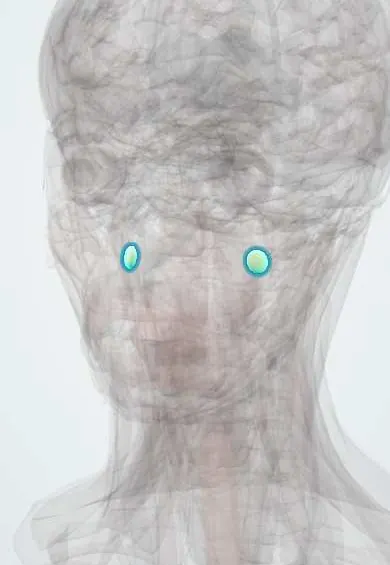
Representative model, for educational purposes only.