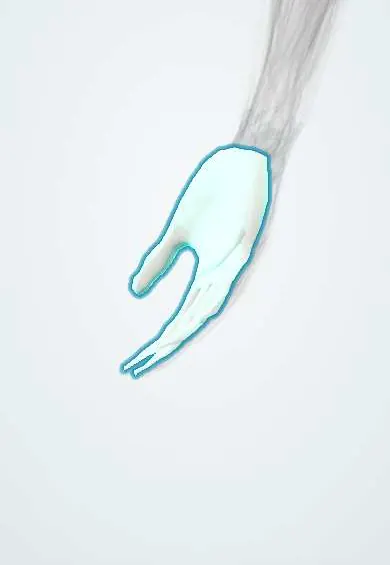
Dupuytren contracture !
Dupuytren contracture is a thickening of the tough tissue in the palm that forms cords and slowly pulls fingers bent, most often the ring and little fingers.
Updated 2026-10-29
Structures involved
Tap one to see what it is and open it in 3D.
- Palmar aponeurosis
- 4th metacarpal
- 5th metacarpal
- Proximal phalanx, ring finger
- Proximal phalanx, little finger
- Digital nerves
- Digital arteries
Why it happens
- Fibrosis in organs: TGF-β and the myofibroblast
- Abnormal repair: chronic wounds, hypertrophic scar, keloid, contracture
- Extracellular matrix: collagen types, elastin, ground substance
What it is
A benign fibroproliferative disorder of the palmar fascia (palmar aponeurosis) in which nodules and cords form and slowly pull one or more fingers into flexion, most often the ring and little fingers.
Who gets it
Most common in older men of Northern European ancestry; less frequent in Latin American and other populations, but seen in Colombian hand clinics, especially in older men and people with diabetes.
Causes
- Strong genetic predisposition (often a family history)
- Myofibroblast proliferation in the palmar fascia, of unclear trigger
- Associated with diabetes, alcohol use, smoking and some anticonvulsants
Risk factors
- Male sex and older age
- Northern European ancestry and family history
- Diabetes mellitus
- Alcohol use and smoking
- Epilepsy (and some anticonvulsants)
Pathophysiology
Myofibroblasts in the palmar fascia proliferate and lay down abundant type III collagen, forming nodules in the palm. These evolve into thick cords along the normal fascial bands (pretendinous, spiral and lateral cords) that contract over time. The flexor tendons are not involved, but the spiral cord can displace the digital nerve and artery toward the midline, a risk in surgery.
Classification
- Proliferative, involutional and residual stages (Luck)
- Severity by degree of contracture at the MCP and PIP joints (Tubiana and other scales)
- Dupuytren diathesis: young onset, both hands, family history, ectopic lesions; predicts aggressive disease
Symptoms and signs
- Firm nodule in the palm, sometimes tender at first
- Thick cord running from the palm into the finger
- Progressive inability to straighten the finger, mostly ring and little fingers
- Difficulty putting the hand flat, into a pocket or gloves
- Usually painless; often both hands
Diagnosis
- Clinical
- Palpable nodules and cords in the palm. Hueston tabletop test: positive when the patient cannot lay the palm and fingers flat on a table. Contracture is measured with a goniometer at each joint. Clinicians look for knuckle pads (Garrod), plantar (Ledderhose) and penile (Peyronie) lesions.
- Tests
- Usually none needed; glucose testing can look for diabetes.
- Imaging
- Not needed for diagnosis; ultrasound can help in uncertain nodules.
Differential diagnosis
- Trigger finger (stenosing tenosynovitis)
- Camptodactyly (congenital)
- Ganglion or other soft-tissue tumour of the palm
- Flexor tendon adhesions after injury
- Joint contracture from arthritis
Goal of treatment
Restore finger extension and hand function when the contracture limits daily activities, knowing that the disease can recur.
Treatment
- Follow-up
- Observation when the hand still lies flat and function is good; the tabletop test is repeated over time.
- Procedure
- Percutaneous needle fasciotomy, which divides the cord with a needle in the clinic; quick recovery but higher recurrence. Collagenase injection is used where available.
- Surgical
- Limited fasciectomy (removal of the diseased cord) for advanced or recurrent disease; dermofasciectomy with skin graft in aggressive or recurrent cases.
- Rehabilitation
- Hand therapy and night extension splinting after procedures.
Complications
- Recurrence or extension to new fingers
- Digital nerve or artery injury during surgery
- Skin tears, wound problems and infection
- Complex regional pain syndrome
- Persistent PIP joint contracture
Prognosis
Progression is slow and unpredictable. Procedures restore extension well, especially at the MCP joint, but recurrence is common over the years, more so with early onset and diathesis features.
Test yourself
Think of the answer, then tap the question to see it.
Which structure thickens and contracts in Dupuytren contracture?
The palmar fascia (palmar aponeurosis), forming nodules and cords; the flexor tendons are not involved.
What is the Hueston tabletop test?
The patient tries to lay the palm and fingers flat on a table; it is positive when the hand cannot be laid flat, which usually prompts referral.
Which fingers are most commonly affected in Dupuytren contracture?
The ring and little fingers.
Which features suggest Dupuytren diathesis?
Early onset, both hands, family history, and ectopic lesions such as knuckle pads, plantar fibromatosis (Ledderhose) or Peyronie disease.
Which cell drives the contracture in Dupuytren disease?
The myofibroblast, which proliferates and contracts the collagen-rich cords.
Related conditions
- Trigger finger
- Type 2 diabetes mellitus
- Type 1 diabetes mellitus
- Peyronie disease
- Volkmann ischaemic contracture
Educational information, not medical advice. For any symptom, see a health professional.
Sources: Dupuytren Contracture (StatPearls (NCBI Bookshelf), 2026).
Spotted a mistake?We are always improving for the community. Tell us what is wrong and our team will review it.Report a mistake
Representative model, for educational purposes only.