Granulomatosis with polyangiitis !
A rare autoimmune inflammation of small blood vessels that attacks the nose and sinuses, lungs and kidneys. Once called Wegener granulomatosis.
Updated 2026-11-01
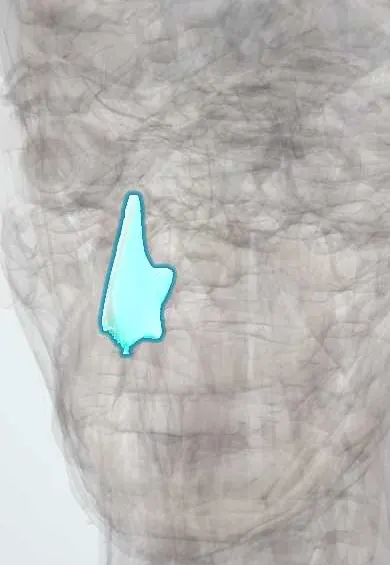
Structures involved
Tap one to see what it is and open it in 3D.
Why it happens
- Granulomatous inflammation: caseating vs non-caseating, the causes to know
- When leukocytes injure tissue: proteases, oxidants and NETs
- Blood vessels: artery, vein and capillary layers
- Glomerulus and the filtration barrier: podocytes, mesangium, JGA
- The airway: from nose to bronchioles
What it is
A necrotising granulomatous vasculitis of small and medium vessels, usually associated with ANCA directed against proteinase 3 (PR3, c-ANCA). It classically involves the upper airway, the lungs and the kidneys (glomerulonephritis). Formerly called Wegener granulomatosis; it belongs to the ANCA-associated vasculitides with microscopic polyangiitis and eosinophilic granulomatosis with polyangiitis.
Who gets it
Rare; most often diagnosed between 40 and 65 years, affecting men and women about equally. It is more frequent in people of European ancestry but is described in Latin American series, including Colombia, where it must be distinguished from tuberculosis and other granulomatous infections.
Causes
- Autoimmune; ANCA against proteinase 3 in most patients (c-ANCA pattern)
- Genetic susceptibility (HLA and PR3-related genes)
- Possible triggers include infections (nasal Staphylococcus aureus carriage is linked to relapses)
Risk factors
- Middle age
- European ancestry
- Nasal carriage of Staphylococcus aureus (relapse)
- Some drugs and exposures can cause ANCA vasculitis (for example certain antithyroid drugs or cocaine with levamisole)
Pathophysiology
ANCA activate primed neutrophils, which release enzymes and reactive oxygen species that damage the vessel wall (necrotising vasculitis). Granulomas form in the respiratory tract and destroy tissue, for example the nasal septum cartilage. In the kidney, glomerular capillary necrosis produces a pauci-immune crescentic glomerulonephritis that can progress over days to weeks.
Classification
- Localised/limited disease: upper airway only
- Generalised disease without organ-threatening involvement
- Severe, organ- or life-threatening disease: rapidly progressive glomerulonephritis, alveolar haemorrhage
- ANCA-associated vasculitis family: GPA, microscopic polyangiitis (MPO, p-ANCA, no granulomas) and EGPA (asthma, eosinophilia)
Symptoms and signs
- Chronic sinusitis, nasal crusting, bloody nasal discharge and nosebleeds
- Nasal septum perforation and saddle-nose deformity
- Ear pain or hearing loss (otitis media)
- Cough, haemoptysis, chest pain or shortness of breath
- Haematuria and foamy urine; oedema or hypertension
- Fever, weight loss, fatigue, joint pains, skin purpura and red eye (scleritis) or orbital mass
Diagnosis
- Clinical
- Suspected when upper and lower airway disease occurs together with kidney involvement (the classic triad). Urinalysis and blood pressure are checked in every suspected case.
- Tests
- ANCA testing (PR3/c-ANCA most typical), creatinine, urinalysis with microscopy (dysmorphic red cells, red cell casts), urine protein, CBC and inflammatory markers. Biopsy of an affected site (kidney, nose or lung) shows necrotising vasculitis with granulomas or a pauci-immune crescentic glomerulonephritis and confirms the diagnosis.
- Imaging
- Chest CT shows multiple nodules, often cavitated, infiltrates or ground-glass areas from haemorrhage; sinus CT shows mucosal thickening and bone erosion.
Differential diagnosis
- Microscopic polyangiitis and eosinophilic granulomatosis with polyangiitis
- Anti-GBM disease (Goodpasture), another pulmonary-renal syndrome
- Tuberculosis, fungal infections and other granulomatous infections
- Lung cancer with metastatic nodules
- Sarcoidosis
- Lupus nephritis and other causes of rapidly progressive glomerulonephritis
Goal of treatment
Induce remission quickly to save kidneys, lungs and life, then maintain remission while limiting glucocorticoid and immunosuppressant toxicity.
Treatment
- Acute
- Remission induction with high-dose glucocorticoids plus rituximab or cyclophosphamide; severe disease is treated in hospital, often with ICU and nephrology support.
- Procedure
- Plasma exchange is considered in selected cases of severe kidney failure or alveolar haemorrhage; dialysis if needed.
- Medical
- Maintenance of remission with rituximab or azathioprine (methotrexate in some patients) while tapering glucocorticoids.
- Medical
- Prevention of treatment complications: Pneumocystis prophylaxis with trimethoprim-sulfamethoxazole, bone protection, vaccinations.
- Follow-up
- Regular monitoring of creatinine, urinalysis, CBC, ANCA trend and infection signs; nursing focus on fluid balance, blood pressure and early signs of relapse or infection.
Complications
- Chronic kidney disease and end-stage kidney failure
- Diffuse alveolar haemorrhage and respiratory failure
- Saddle-nose deformity, hearing loss and subglottic stenosis
- Serious infections and other effects of immunosuppression
- Venous thromboembolism and cardiovascular disease
- Relapses
Prognosis
Almost always fatal within a year before modern therapy; with induction and maintenance treatment most patients achieve remission, although relapses are common (especially in PR3-ANCA disease) and kidney damage at diagnosis predicts outcome.
Test yourself
Think of the answer, then tap the question to see it.
What is the classic triad of granulomatosis with polyangiitis?
Upper airway disease (sinuses, nose, ears), lower respiratory tract disease (lung nodules, haemorrhage) and glomerulonephritis.
Which ANCA is most associated with GPA?
Anti-proteinase 3 (PR3) antibodies, with a cytoplasmic (c-ANCA) pattern.
What does a kidney biopsy typically show?
A pauci-immune, necrotising crescentic glomerulonephritis (little or no immune deposits).
Which nasal deformity is a classic late sign?
Saddle-nose deformity from destruction of the nasal septum.
Besides glucocorticoids, which two drugs are the main options for remission induction?
Rituximab or cyclophosphamide.
Related conditions
- Microscopic polyangiitis
- Eosinophilic granulomatosis with polyangiitis (Churg–Strauss)
- Rapidly progressive glomerulonephritis (anti-GBM, ANCA)
- Acute kidney injury
- Chronic kidney disease
- Chronic rhinosinusitis and nasal polyps
- Acute otitis media
- Pulmonary tuberculosis
- Lung cancer
- Sarcoidosis
Educational information, not medical advice. For any symptom, see a health professional.
Sources: Granulomatosis with polyangiitis (MedlinePlus (U.S. National Library of Medicine), 2025).
Spotted a mistake?We are always improving for the community. Tell us what is wrong and our team will review it.Report a mistake
Representative model, for educational purposes only.