Conditions · Ophthalmology and ENT
Chronic rhinosinusitis and nasal polyps !
Long-term inflammation of the nose and sinuses lasting over 12 weeks, sometimes with polyps. It blocks the nose and dulls the sense of smell.
Updated 2026-11-01
Structures involved
Tap one to see what it is and open it in 3D.
- Nasal cavity
- Maxillary sinus
- Ethmoid cells
- Inferior nasal conchae
- Frontal sinus
- Sphenoid sinus
- Nasal septum
- Ethmoid bone
Why it happens
- Chronic inflammation: causes, cells and features
- Cystic fibrosis: from the CFTR channel to organ damage
- Airway defenses, cough and mucociliary clearance
- The airway: from nose to bronchioles
What it is
Inflammation of the nasal and paranasal sinus mucosa lasting 12 weeks or more, with two or more symptoms (one of them nasal obstruction or discharge) and objective evidence on endoscopy or CT. It occurs with or without nasal polyps, which are benign oedematous outgrowths of the mucosa.
Who gets it
It affects a significant share of adults worldwide and is common in Latin America, often alongside allergic rhinitis and asthma. Nasal polyps are typically seen in adults; polyps in a child should prompt testing for cystic fibrosis.
Causes
- Multifactorial mucosal inflammation rather than a single infection
- Type 2 (eosinophilic) inflammation, typical of polyps, linked to asthma and aspirin sensitivity
- Obstruction of sinus drainage (ostiomeatal complex), anatomical variants and septal deviation
- Impaired mucociliary clearance: cystic fibrosis, primary ciliary dyskinesia
- Dental infection (maxillary sinus) and fungal disease in some cases
Risk factors
- Asthma and allergic rhinitis
- Aspirin and NSAID sensitivity (Samter triad)
- Cystic fibrosis
- Smoking and exposure to irritants or pollution
- Immunodeficiency and recurrent acute rhinosinusitis
Pathophysiology
Persistent inflammation thickens the mucosa, narrows the sinus openings and impairs mucociliary clearance, so secretions stagnate and infection and inflammation feed each other. In the polyp type, type 2 inflammation with eosinophils and oedema makes the mucosa prolapse into the nasal cavity, mostly from the ethmoid cells and middle meatus, blocking airflow and the olfactory cleft.
Classification
- Chronic rhinosinusitis without nasal polyps
- Chronic rhinosinusitis with nasal polyps
- Aspirin-exacerbated respiratory disease (Samter triad: asthma, nasal polyps, aspirin/NSAID sensitivity)
- Allergic fungal rhinosinusitis
Symptoms and signs
- Nasal obstruction or congestion
- Anterior or posterior nasal discharge (postnasal drip)
- Facial pain or pressure
- Reduced or lost sense of smell, especially with polyps
- Grey, glistening, insensitive polyps on anterior rhinoscopy or endoscopy
Diagnosis
- Clinical
- Symptoms for 12 weeks or more plus nasal endoscopy showing polyps, mucopurulent discharge or mucosal oedema in the middle meatus.
- Tests
- Allergy testing when indicated; sweat chloride test in children with polyps; blood eosinophils; culture of discharge in selected cases.
- Imaging
- CT of the paranasal sinuses (without contrast) shows mucosal thickening and blocked drainage and maps the anatomy before surgery; plain X-rays are not useful.
Differential diagnosis
- Allergic or non-allergic rhinitis
- Recurrent acute rhinosinusitis
- Sinonasal tumour (inverted papilloma, carcinoma)
- Granulomatosis with polyangiitis and eosinophilic granulomatosis with polyangiitis
- Dental origin of maxillary sinusitis
Goal of treatment
Control mucosal inflammation, relieve obstruction and recover smell, and treat associated asthma.
Treatment
- Medical
- Daily saline nasal irrigation and intranasal corticosteroids are the first-line treatment for both types.
- Medical
- Short courses of oral corticosteroids for marked polyp disease; antibiotics only for acute bacterial exacerbations; long-term macrolides in selected patients without polyps.
- Medical
- Biologic agents targeting type 2 inflammation (anti-IgE, anti-IL-5 and anti-IL-4 receptor monoclonal antibodies) for severe recurrent polyps; aspirin desensitisation in selected patients with Samter triad.
- Surgical
- Functional endoscopic sinus surgery to open the sinuses and remove polyps when medical therapy fails; medical treatment continues afterwards.
Complications
- Loss of smell and reduced quality of life
- Worsening asthma control
- Mucocele
- Orbital cellulitis or abscess
- Meningitis and intracranial abscess (rare)
Prognosis
A chronic disease that can usually be controlled but rarely cured; polyps often return even after surgery, so long-term topical treatment and follow-up are needed.
Prevention
- Avoiding tobacco smoke and irritants
- Good control of allergic rhinitis and asthma
Test yourself
Think of the answer, then tap the question to see it.
How long must symptoms last to define chronic rhinosinusitis?
12 weeks or more.
What is the Samter triad?
Asthma, nasal polyps and sensitivity to aspirin and other NSAIDs.
Nasal polyps in a child should prompt which test?
A sweat chloride test for cystic fibrosis.
What is the first-line medical treatment?
Saline irrigation plus intranasal corticosteroids.
Related conditions
- Acute rhinosinusitis
- Allergic rhinitis
- Asthma
- Cystic fibrosis
- Granulomatosis with polyangiitis
- Eosinophilic granulomatosis with polyangiitis (Churg–Strauss)
- Orbital cellulitis
- Obstructive sleep apnoea
Educational information, not medical advice. For any symptom, see a health professional.
Sources: Sinusitis (MedlinePlus, US National Library of Medicine, 2026); Nasal polyps (MedlinePlus, US National Library of Medicine, 2026).
Spotted a mistake?We are always improving for the community. Tell us what is wrong and our team will review it.Report a mistake
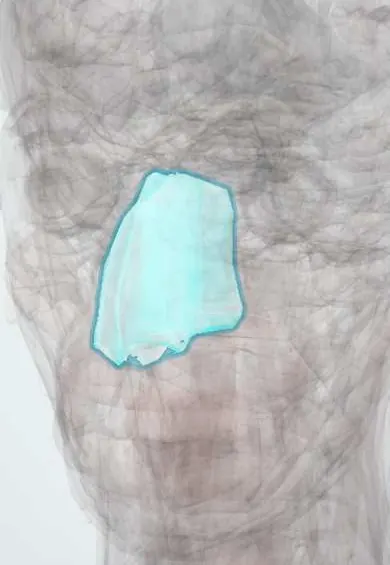
Representative model, for educational purposes only.