Conditions · Pediatrics and neonatology
Infantile spasms (West syndrome) !
A severe epilepsy of babies with clusters of brief jerks, a chaotic EEG and loss of skills. It is an emergency: fast treatment protects development.
Updated 2026-11-01
Structures involved
Tap one to see what it is and open it in 3D.
What it is
An epileptic encephalopathy of infancy, now called infantile epileptic spasms syndrome. West syndrome is the classic triad of epileptic spasms, hypsarrhythmia on the EEG and developmental arrest or regression.
Who gets it
Onset usually between 3 and 12 months, peaking around 4–8 months; it affects roughly 2–5 per 10 000 live births and is slightly more common in boys. In Colombia and Latin America, perinatal hypoxic-ischaemic injury and infections are frequent causes, and delays in recognition are common because spasms are mistaken for colic or startles.
Causes
- Structural: hypoxic-ischaemic encephalopathy, stroke, brain malformations, infections, tuberous sclerosis complex
- Genetic: Down syndrome, CDKL5, ARX and many other gene variants
- Metabolic: untreated phenylketonuria, pyridoxine dependency and other inborn errors
- Unknown cause in a minority
Risk factors
- Perinatal asphyxia or preterm brain injury
- Tuberous sclerosis complex
- Down syndrome
- Congenital or neonatal brain infections
- Brain malformations
Pathophysiology
An abnormal interaction between the immature cortex and the brainstem is thought to generate the spasms; stress-hormone pathways (corticotropin-releasing hormone) may play a role, which explains the response to hormonal therapy. Continuous chaotic electrical activity (hypsarrhythmia) disrupts development.
Classification
- Known cause (structural, genetic, metabolic)
- Unknown cause (previously cryptogenic)
Symptoms and signs
- Sudden brief flexion of the neck, trunk and limbs ('jackknife' spasms) or extension spasms
- Spasms in clusters, often on waking, each lasting about a second
- Crying or irritability between spasms, often mistaken for colic or reflux
- Loss of social smile, eye contact or motor milestones
- Reduced alertness
Diagnosis
- Clinical
- Video of the episodes taken by caregivers is very helpful; full neurological and skin examination (Wood's lamp for ash-leaf macules) and developmental assessment.
- Tests
- Urgent video-EEG, including sleep: hypsarrhythmia (high-voltage, disorganised background with multifocal spikes) between spasms and electrodecremental response during spasms. Genetic, metabolic and infection testing guided by the history.
- Imaging
- Brain MRI to look for malformations, hypoxic injury or cortical tubers.
Differential diagnosis
- Benign myoclonus of infancy
- Infantile colic and gastro-oesophageal reflux (Sandifer syndrome)
- Startle (Moro) reflex
- Other epilepsies of infancy
Goal of treatment
Stop the spasms and normalise the EEG as fast as possible to give development the best chance, and treat the underlying cause.
Treatment
- Medical
- First line: hormonal therapy (ACTH or high-dose oral prednisolone) or vigabatrin; vigabatrin is preferred in tuberous sclerosis complex.
- Medical
- If the first treatment fails, the other first-line option or a combination; other antiseizure drugs or ketogenic diet in refractory cases; pyridoxine trial when a metabolic cause is suspected.
- Surgical
- Epilepsy surgery is considered for a focal resectable lesion such as a cortical malformation or tuber.
- Follow-up
- Nursing: track spasm diaries, blood pressure, glucose and infection signs on hormonal therapy; visual field monitoring with vigabatrin; early developmental therapy.
Complications
- Intellectual disability and developmental delay
- Evolution into other epilepsies such as Lennox–Gastaut syndrome
- Autism spectrum disorder
- Treatment adverse effects: hypertension, infection and hyperglycaemia with hormones; retinal toxicity with vigabatrin
Prognosis
Depends mainly on the cause and the speed of effective treatment. Many children have lasting developmental problems or epilepsy; outcomes are best when the cause is unknown and the spasms stop quickly.
Prevention
- Good perinatal care to prevent hypoxic-ischaemic injury
- Newborn screening and early treatment of phenylketonuria
- Educating caregivers and clinicians so spasms are recognised without delay
Test yourself
Think of the answer, then tap the question to see it.
What is the classic triad of West syndrome?
Epileptic spasms, hypsarrhythmia on EEG and developmental arrest or regression.
Which first-line drug is preferred in tuberous sclerosis complex?
Vigabatrin.
What are the first-line hormonal treatments?
ACTH or high-dose oral prednisolone.
Which adverse effect of vigabatrin requires monitoring?
Irreversible visual field loss (retinal toxicity).
Related conditions
- Epilepsy and seizures
- Tuberous sclerosis complex
- Down syndrome (trisomy 21)
- Perinatal asphyxia and hypoxic-ischaemic encephalopathy
- Cerebral palsy
- Phenylketonuria (PKU)
- Febrile seizures
Educational information, not medical advice. For any symptom, see a health professional.
Sources: Infantile Spasms (Child Neurology Foundation, 2021).
Spotted a mistake?We are always improving for the community. Tell us what is wrong and our team will review it.Report a mistake
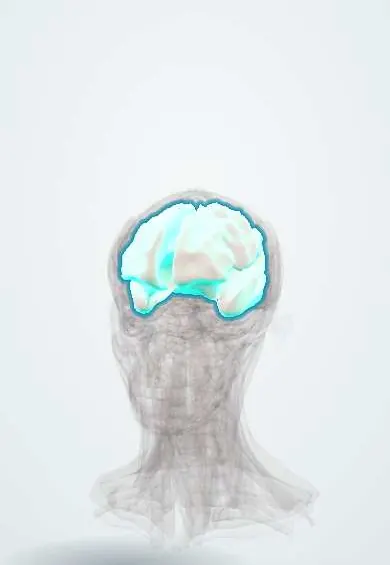
Representative model, for educational purposes only.