Conditions · Pediatrics and neonatology
Down syndrome (trisomy 21) !
A chromosomal condition from an extra chromosome 21, with intellectual disability, typical features and a higher risk of heart and gut defects.
Updated 2026-11-01
Structures involved
Tap one to see what it is and open it in 3D.
- Interatrial septum
- Interventricular septum
- Duodenum
- Tricuspid septal leaflet
- Mitral anterior leaflet
- Thyroid gland
- Tongue
- Lens
- Jejunum
In embryology
- Meiosis and nondisjunction: where trisomies come from
- Duodenal atresia and stenosis
- Omphalocele and gastroschisis
- Hirschsprung disease (congenital aganglionic megacolon)
- Anorectal malformations (imperforate anus)
- Annular pancreas and pancreas divisum
- Ventricular septation and the endocardial cushions
- Ventricular septal defect
- Atrial septal defect and patent foramen ovale
- Tetralogy of Fallot
- Atrioventricular septal defect (endocardial cushion defect)
- Malformation, disruption, deformation, sequence, syndrome, association
- Prenatal diagnosis: ultrasound, serum screening, cell-free DNA, CVS, amniocentesis
Why it happens
- Chromosome abnormalities: number and structure
- Trisomies 21, 18 and 13, and the 22q11.2 deletion
- Physiology of congenital shunts
What it is
The most common chromosomal cause of intellectual disability, due to an extra copy of chromosome 21. It causes characteristic facial features, low muscle tone, variable intellectual disability and higher rates of congenital heart disease and other medical problems.
Who gets it
Occurs in about 1 in 700 births worldwide; the risk rises with maternal age, although most babies are born to younger mothers because they have more pregnancies. In Colombia and Latin America, life expectancy has risen markedly thanks to early heart surgery and follow-up programmes, and many adults now live into their sixties.
Causes
- Free trisomy 21 from meiotic non-disjunction, mostly maternal (about 95% of cases)
- Robertsonian translocation involving chromosome 21 (about 3–4%; may be inherited from a carrier parent)
- Mosaicism, with a mixture of normal and trisomic cells (about 1–2%; often milder)
Risk factors
- Advanced maternal age (especially 35 years or older)
- Previous child with trisomy 21
- Parent carrying a balanced translocation involving chromosome 21
Pathophysiology
The extra copy of chromosome 21 genes raises their expression by about half, altering development of the brain, heart, gut and immune and blood-forming systems. Extra amyloid precursor protein (APP) gene explains early Alzheimer-type changes. Abnormal development of the endocardial cushions causes atrioventricular septal defects, and failure of duodenal recanalisation causes duodenal atresia.
Classification
- Free (standard) trisomy 21
- Translocation Down syndrome
- Mosaic Down syndrome
Symptoms and signs
- Hypotonia and hyperflexible joints in the newborn
- Upslanting palpebral fissures, epicanthal folds, flat nasal bridge and flat facial profile
- Brushfield spots on the iris, small ears, protruding tongue and short neck with excess nuchal skin
- Single transverse palmar crease, short broad hands, clinodactyly of the fifth finger and a wide gap between the first and second toes
- Intellectual disability, usually mild to moderate, with delayed speech and motor milestones
- Short stature
Diagnosis
- Clinical
- Suspected at birth from the characteristic features and hypotonia, or prenatally from screening. Confirmed by karyotype, which also identifies translocations needing parental testing and genetic counselling.
- Tests
- Prenatal: first-trimester combined screening (nuchal translucency, PAPP-A and free β-hCG), quadruple test or cell-free fetal DNA; confirmation by chorionic villus sampling or amniocentesis. Postnatal: karyotype (FISH for a rapid result), complete blood count (transient abnormal myelopoiesis, polycythaemia), thyroid function, hearing and eye screening.
- Imaging
- Echocardiography in every newborn. Abdominal X-ray showing the 'double bubble' sign in duodenal atresia; prenatal ultrasound may show increased nuchal translucency, cardiac defects or duodenal atresia.
Differential diagnosis
- Congenital hypothyroidism (hypotonia, large tongue, coarse features)
- Other chromosomal syndromes (e.g. trisomy 18 or 13, mosaic forms)
- Zellweger spectrum and other causes of neonatal hypotonia
- Normal variants: isolated single palmar crease or epicanthal folds
Goal of treatment
There is no cure; care aims to correct associated malformations early, screen regularly for associated conditions, support development, education and independence, and promote social inclusion.
Treatment
- Surgical
- Cardiac surgery for significant defects (atrioventricular septal defect, VSD, tetralogy of Fallot), usually in the first months of life before pulmonary hypertension develops.
- Rehabilitation
- Early intervention: physiotherapy, speech and occupational therapy, inclusive education and family support.
- Follow-up
- Health surveillance programme: thyroid function, hearing and vision, growth on specific charts, blood counts, coeliac disease screening when symptomatic, sleep studies, and neck and neurological assessment; adult screening for memory decline.
- Medical
- Medical treatment of associated conditions: thyroid hormone for hypothyroidism, treatment of recurrent otitis, reflux, obesity and sleep apnoea; vaccinations including those against pneumococcus and influenza.
- Surgical
- Surgery for gastrointestinal malformations (duodenal atresia, Hirschsprung disease) and other problems such as cataract or obstructive sleep apnoea (adenotonsillectomy).
Complications
- Congenital heart disease (about half): atrioventricular septal defect, VSD, ASD, tetralogy of Fallot; pulmonary hypertension
- Duodenal atresia, Hirschsprung disease and anorectal malformations
- Hypothyroidism, coeliac disease, obesity and diabetes
- Hearing loss, recurrent otitis media, refractive errors and cataract
- Transient abnormal myelopoiesis and higher risk of acute leukaemia (myeloid and lymphoblastic)
- Atlantoaxial instability and obstructive sleep apnoea
- Early-onset Alzheimer disease
Prognosis
Life expectancy has risen to about 60 years in many countries, driven mainly by early repair of heart defects. Congenital heart disease, infections and, in adults, Alzheimer disease are the main causes of death; many people live semi-independent lives with good support.
Prevention
- Prenatal screening offered to all pregnant women, with genetic counselling
- Genetic counselling and parental karyotype in translocation cases
Test yourself
Think of the answer, then tap the question to see it.
What is the most common genetic mechanism of Down syndrome?
Free trisomy 21 from meiotic non-disjunction, usually maternal.
Which congenital heart defect is most characteristic of Down syndrome?
Atrioventricular septal defect (endocardial cushion defect).
Which radiological sign suggests duodenal atresia in a newborn with Down syndrome?
The 'double bubble' sign: gas in the stomach and proximal duodenum with no distal gas.
Why do adults with Down syndrome develop Alzheimer disease early?
The extra chromosome 21 carries an extra copy of the amyloid precursor protein (APP) gene, increasing amyloid deposition.
Which endocrine disorder is screened for regularly in Down syndrome?
Hypothyroidism.
Related conditions
- Atrial septal defect
- Ventricular septal defect
- Tetralogy of Fallot
- Hypothyroidism
- Coeliac disease
- Alzheimer disease
- Obstructive sleep apnoea
- Cataract
- Acute otitis media
Educational information, not medical advice. For any symptom, see a health professional.
Sources: Down syndrome: MedlinePlus Genetics (MedlinePlus (U.S. National Library of Medicine), 2020).
Spotted a mistake?We are always improving for the community. Tell us what is wrong and our team will review it.Report a mistake
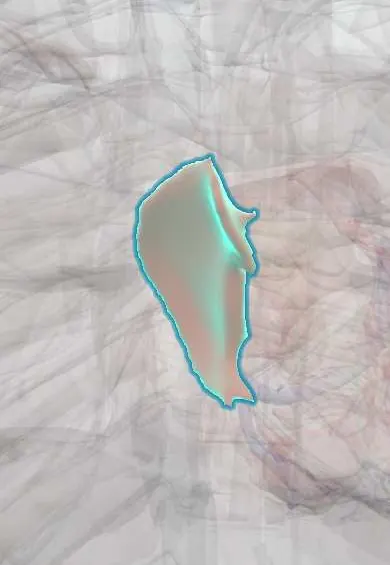
Representative model, for educational purposes only.