Conditions · Emergency medicine and toxicology
Local anaesthetic systemic toxicity (LAST) !
A rare, life-threatening reaction when a local anaesthetic reaches high blood levels. It affects the brain (seizures) and the heart (arrhythmias, arrest).
Updated 2026-11-01
Structures involved
Tap one to see what it is and open it in 3D.
- Temporal lobe
- Atrioventricular (AV) node
- Bundle of His
- Bundle branches
- Left ventricle
- Tongue
- Medulla oblongata
Why it happens
What it is
Local anaesthetic systemic toxicity (LAST) happens when a local anaesthetic such as lidocaine or bupivacaine reaches toxic levels in the blood, usually after accidental intravascular injection or absorption from a highly vascular site. It first affects the central nervous system and then the heart, and can cause cardiac arrest that is hard to reverse. Lipid emulsion is the specific treatment.
Who gets it
Rare but feared complication of regional anaesthesia, nerve blocks, tumescent liposuction, dental and dermatological procedures and airway topicalisation. It is relevant wherever procedures with large volumes of local anaesthetic are done, including outpatient cosmetic surgery, which is common in Colombia.
Causes
- Accidental intravascular injection during a nerve block or epidural
- Absorption of large doses from vascular sites (intercostal, paracervical, airway, tumescent infiltration)
- Cumulative dose from repeated injections or continuous infusions
- Use of long-acting, more cardiotoxic agents such as bupivacaine
Risk factors
- Extremes of age and low muscle mass
- Heart disease, especially conduction disorders and heart failure
- Liver disease (reduced amide metabolism)
- Pregnancy
- Metabolic or respiratory acidosis and hypoxia
Pathophysiology
Local anaesthetics block voltage-gated sodium channels. The brain is affected at lower levels: inhibitory pathways are blocked first, causing excitation (perioral numbness, metallic taste, tinnitus, agitation, seizures), then generalised depression and coma. At higher levels, sodium-channel block in the heart slows conduction (widened QRS, PR prolongation), depresses contractility and causes bradycardia, ventricular arrhythmias and asystole. Bupivacaine binds cardiac channels tightly and dissociates slowly, making arrest especially resistant. Acidosis and hypoxia worsen toxicity.
Classification
- Central nervous system only: prodrome, excitation, seizures, then depression
- Combined CNS and cardiovascular toxicity
- Isolated cardiovascular toxicity (can occur without warning, especially with bupivacaine or under sedation)
- Immediate (intravascular injection) versus delayed (absorption, infusions)
Symptoms and signs
- Numbness around the mouth and tongue, metallic taste
- Tinnitus, dizziness, blurred vision
- Agitation, confusion, muscle twitching
- Seizures, then drowsiness and coma
- Bradycardia, hypotension, wide-complex arrhythmias
- Cardiac arrest
Diagnosis
- Clinical
- Clinical diagnosis based on timing after local anaesthetic administration and progression of CNS and cardiac signs; can appear within a minute or up to an hour later.
- Tests
- Continuous ECG, blood pressure and oxygen saturation; arterial blood gas for acidosis; drug levels are not needed for treatment decisions.
- Imaging
- Not required for diagnosis.
Differential diagnosis
- Vasovagal reaction
- Anaphylaxis
- Epinephrine absorption (tachycardia, hypertension)
- High or total spinal anaesthesia
- Primary seizure disorder or stroke
Goal of treatment
Stop the injection, protect oxygenation, stop seizures, give lipid emulsion early and sustain circulation until the drug is redistributed.
Treatment
- Acute
- Stop injecting and call for help; airway management with 100% oxygen and avoid hypoventilation, because hypoxia and acidosis worsen toxicity.
- Medical
- Intravenous lipid emulsion at the first signs of serious toxicity; it draws the drug away from the heart and brain (lipid sink and shuttle). Benzodiazepines for seizures; avoid large doses of propofol in unstable patients.
- Acute
- Modified cardiac life support: smaller doses of epinephrine; avoid vasopressin, calcium-channel blockers, beta-blockers and other local anaesthetics (such as lidocaine) for arrhythmias. Prolonged CPR may be needed.
- Procedure
- Cardiopulmonary bypass or extracorporeal support if there is no response to lipid emulsion and resuscitation.
- Follow-up
- Monitor at least several hours after a CNS event and longer after cardiovascular instability, as toxicity can recur. Prevention: aspirate and inject in small increments, use ultrasound guidance, test doses with epinephrine and calculate the maximum dose.
Complications
- Status epilepticus
- Refractory ventricular arrhythmias and asystole
- Hypoxic brain injury
- Recurrent toxicity after initial recovery
- Pancreatitis from large volumes of lipid emulsion
Prognosis
With rapid recognition and lipid emulsion, most patients survive without sequelae. Outcomes are worse in bupivacaine-related cardiac arrest, in office settings without lipid emulsion available, and when hypoxia and acidosis are not corrected.
Prevention
- Lowest effective dose and volume, weight-based maximum dose calculation, incremental injection with aspiration, ultrasound-guided blocks, monitoring during and after the block, and lipid emulsion stocked wherever local anaesthetics are used in large amounts
Test yourself
Think of the answer, then tap the question to see it.
What are the early signs of local anaesthetic toxicity?
Perioral numbness, metallic taste, tinnitus, dizziness and agitation, before seizures and cardiac effects.
What is the specific treatment for LAST?
Intravenous lipid emulsion, given early, along with airway management and seizure control.
Which local anaesthetic is most cardiotoxic and why?
Bupivacaine, because it binds cardiac sodium channels tightly and dissociates slowly.
Which antiarrhythmic must be avoided in LAST?
Lidocaine (another local anaesthetic), along with vasopressin, calcium-channel blockers and beta-blockers.
Why are hypoxia and acidosis dangerous in LAST?
They increase the free fraction and cardiac binding of the local anaesthetic, worsening toxicity.
Related conditions
- Cardiac arrest (VF, pulseless VT, asystole, PEA)
- Ventricular tachycardia
- Status epilepticus
- Anaphylaxis
- Methemoglobinemia
- Cardiogenic shock
Educational information, not medical advice. For any symptom, see a health professional.
Sources: Lipid Emulsion for Treating Local Anesthetic Systemic Toxicity (International Journal of Medical Sciences, 2018); Checklist for Treatment of Local Anesthetic Systemic Toxicity (LAST) (American Society of Regional Anesthesia and Pain Medicine (ASRA Pain Medicine), 2020).
Spotted a mistake?We are always improving for the community. Tell us what is wrong and our team will review it.Report a mistake
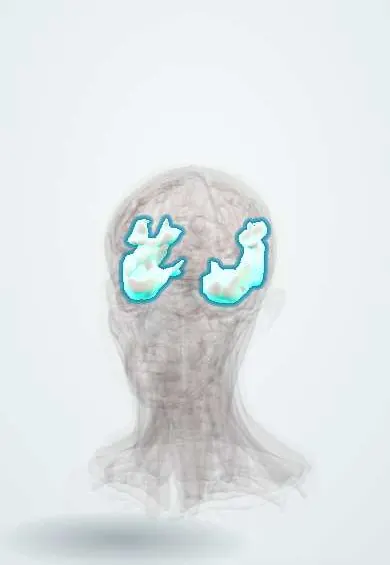
Representative model, for educational purposes only.