Conditions · Emergency medicine and toxicology
Marine envenomations and seafood poisoning (ciguatera, scombroid, jellyfish, stingray) !
Harm from sea creatures: toxins in fish or shellfish that are eaten, and venom from jellyfish stings or stingray spines.
Updated 2026-11-01
Structures involved
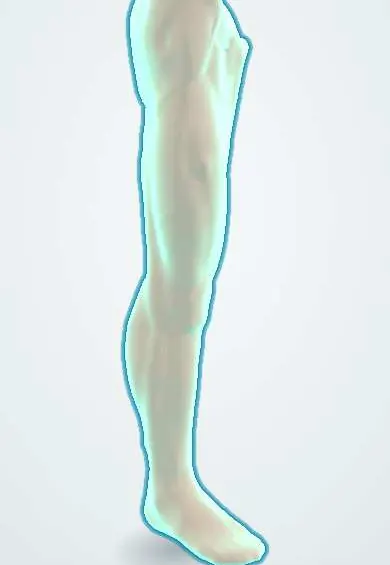
Tap one to see what it is and open it in 3D.
Why it happens
What it is
A group of emergencies caused by marine toxins. Some are eaten: ciguatera (toxins built up in reef fish), scombroid (histamine formed in poorly chilled fish) and shellfish poisonings. Others are injected: jellyfish tentacles fire stinging cells into the skin, and a stingray drives a venomous, serrated spine into the foot or leg, producing both a venom effect and a traumatic wound. Exams focus on telling these apart by history and on the few specific first steps, such as hot-water immersion for stingray wounds.
Who gets it
Seen along Colombia's Caribbean coast, the San Andrés archipelago and the Pacific coast among fishers, divers, bathers and tourists, and in anyone who eats reef fish or shellfish. Freshwater stingrays also live in the Amazon and Orinoco basins, so stingray wounds occur inland among river fishers and bathers. Ciguatera is the most common non-bacterial fish-related illness worldwide and is linked to tropical reefs; scombroid is a frequent cause of food-borne outbreaks after eating tuna or similar fish that was not kept cold.
Causes
- Ciguatera: ciguatoxins from a reef dinoflagellate (Gambierdiscus) concentrated up the food chain in large predatory reef fish such as barracuda, grouper, snapper and amberjack
- Scombroid: bacteria turn histidine into histamine in fish such as tuna, mackerel, mahi-mahi and sardines when they are not chilled promptly
- Shellfish poisonings: algal toxins concentrated by mussels, clams and oysters during harmful algal blooms (red tides), for example saxitoxin in paralytic shellfish poisoning
- Jellyfish stings: nematocysts on the tentacles inject venom on contact (Portuguese man-of-war, sea nettle, box jellyfish)
- Stingray injuries: a serrated tail spine with venom glands, usually after stepping on a ray buried in sand or mud
Risk factors
- Eating large reef fish, especially their liver, head or roe
- Fish kept unrefrigerated between catch and cooking (cooking does not destroy histamine or ciguatoxin)
- Eating shellfish harvested during or soon after an algal bloom
- Wading in shallow water without shuffling the feet, or fishing barefoot in rivers with stingrays
- Swimming in warm water during jellyfish season; children, small body size and pre-existing heart disease raise severity
Pathophysiology
Ciguatoxins keep voltage-gated sodium channels in nerve and muscle open, which explains the tingling, cold allodynia, temperature reversal (cold feels hot) and bradycardia; the toxins are heat-stable and fat-soluble, so symptoms can last months. In scombroid, preformed histamine and related amines act on H1 and H2 receptors and reproduce an allergic reaction without any immune sensitisation. Saxitoxin blocks sodium channels and can cause flaccid paralysis and respiratory failure. Jellyfish venom causes local pain, inflammation and skin necrosis and, in some species, systemic catecholamine release or cardiotoxicity. Stingray venom is heat-labile and causes intense pain, oedema and tissue ischaemia, while the barbed spine lacerates tissue and may leave fragments and marine bacteria in the wound.
Classification
- Ingested toxins (seafood poisoning): ciguatera, scombroid, paralytic, neurotoxic, diarrhoeic and amnesic shellfish poisoning
- Injected venoms (envenomation): jellyfish and other cnidarians, stingrays, venomous spined fish, sea urchins
- By severity: local reaction only versus systemic toxicity (cardiovascular, neurological, respiratory)
Symptoms and signs
- Ciguatera: nausea, vomiting and diarrhoea within hours, then tingling of lips and limbs, itching, metallic taste and hot-cold reversal
- Scombroid: within an hour, facial flushing, headache, peppery taste, palpitations, itching and diarrhoea, often in several people who shared the fish
- Paralytic shellfish poisoning: numbness of face and lips spreading to limbs, unsteadiness and weakness
- Jellyfish sting: immediate burning pain and linear red welts in the pattern of the tentacles
- Stingray wound: puncture or jagged laceration of the foot or ankle with pain out of proportion to the wound size, bleeding and swelling
- Systemic effects after stings: sweating, vomiting, muscle cramps, weakness, fainting
Diagnosis
- Clinical
- Diagnosis is clinical, based on the exposure history: what fish or shellfish was eaten, how it was stored, how soon symptoms began and whether others who ate it are ill, or what creature caused the wound and where. Temperature reversal after reef fish points to ciguatera; flushing and headache within an hour of tuna point to scombroid. Look for tentacle marks, and examine stingray wounds for retained spine fragments and for vessel or tendon injury.
- Tests
- No rapid bedside test confirms ciguatera or scombroid; leftover fish can be sent to a public health laboratory for toxin or histamine testing. ECG and cardiac monitoring for bradycardia or arrhythmia; electrolytes and kidney function when vomiting and diarrhoea are marked; oxygen saturation and respiratory measures when weakness appears.
- Imaging
- Plain X-ray or ultrasound of a stingray wound to look for a retained spine fragment; chest imaging if breathing difficulty develops.
Differential diagnosis
- True IgE-mediated fish or shellfish allergy and anaphylaxis
- Bacterial or viral gastroenteritis and other food poisonings
- Guillain-Barré syndrome, botulism and other causes of acute weakness
- Organophosphate or other pesticide poisoning
- Cellulitis or necrotising soft-tissue infection after a wound
Goal of treatment
Protect airway, breathing and circulation, stop or reverse the toxic effect where a specific measure exists, relieve pain, and prevent wound infection and late complications.
Treatment
- Acute
- Stingray wound: immerse the limb in water as hot as tolerated (tested on unaffected skin) to inactivate the heat-labile venom, then explore, irrigate and debride the wound and remove spine fragments.
- Acute
- Jellyfish sting: leave the water, rinse with vinegar or seawater (not fresh water), remove tentacles without rubbing, then hot-water immersion and pain relief; specific antivenom exists only for one Indo-Pacific box jellyfish.
- Medical
- Scombroid: H1 antihistamines, with or without H2 antihistamines; treat bronchospasm or hypotension as in anaphylaxis.
- Medical
- Ciguatera: supportive care with fluids and electrolytes, atropine for symptomatic bradycardia, and symptomatic drugs for neuropathic pain and itching; there is no antidote.
- Acute
- Paralytic shellfish poisoning and severe envenomation: oxygen, airway protection and mechanical ventilation if respiratory muscles fail; recovery usually follows as the toxin clears.
- Medical
- Wounds: update tetanus immunisation; antibiotics covering marine organisms such as Vibrio for deep, contaminated or infected wounds.
- Follow-up
- Nursing: cardiac monitoring, vital signs, neurological checks and respiratory effort; observe box jellyfish and systemic cases for several hours.
- Surgical
- Surgical exploration for deep stingray wounds, retained fragments, vascular injury or penetration of a body cavity.
Complications
- Respiratory failure from paralysis
- Bradycardia, heart block, hypotension and shock
- Chronic ciguatera neuropathy with relapses triggered by alcohol, fish or nuts
- Wound infection, necrosis, poor healing and retained foreign body after stingray injury
- Drowning after a sting, and delayed hypersensitivity skin reactions
Prognosis
Scombroid resolves within a day, and most jellyfish stings improve within hours, although skin changes can last weeks. Ciguatera is rarely fatal but neurological symptoms can persist for weeks to months and relapse. Paralytic shellfish poisoning is dangerous only until ventilation is secured. Stingray wounds cause prolonged pain and disability if infected; deaths come mainly from the trauma, not the venom.
Prevention
- Avoid eating large predatory reef fish, especially viscera, in areas where ciguatera occurs
- Keep fish on ice or refrigerated from catch to cooking
- Avoid shellfish during and after algal bloom warnings
- Shuffle the feet when wading in shallow sea or river water
- Respect beach warnings about jellyfish and wear protective clothing
Test yourself
Think of the answer, then tap the question to see it.
Several people develop facial flushing, headache and diarrhoea 30 minutes after eating tuna that was left unrefrigerated. What is the mechanism and the first-line drug class?
Scombroid poisoning from preformed histamine made by bacteria in the fish; treat with H1 antihistamines, with or without H2 antihistamines.
Which symptom after eating barracuda or grouper is characteristic of ciguatera?
Temperature reversal or cold allodynia (cold objects feel hot or painful), with tingling and gastrointestinal upset.
What is the first specific step for a stingray wound on the foot?
Immersion in water as hot as tolerated to inactivate the heat-labile venom, followed by irrigation, imaging for retained spine and removal of fragments.
What is the main life-threatening danger of paralytic shellfish poisoning?
Flaccid paralysis with respiratory failure from saxitoxin blocking sodium channels; supportive ventilation is the treatment.
Why does cooking not prevent scombroid or ciguatera?
Histamine and ciguatoxins are heat-stable, so cooking, freezing or smoking the fish does not destroy them.
Related conditions
- Anaphylaxis
- Acute (viral) gastroenteritis
- Cellulitis of the leg
- Guillain-Barré syndrome
- Snakebite envenomation (Bothrops, Lachesis, Crotalus)
Educational information, not medical advice. For any symptom, see a health professional.
Sources: Food Poisoning from Marine Toxins (CDC Yellow Book, Centers for Disease Control and Prevention, 2026); Stingray (MedlinePlus, US National Library of Medicine, 2026); Jellyfish stings (MedlinePlus, US National Library of Medicine, 2026).
Spotted a mistake?We are always improving for the community. Tell us what is wrong and our team will review it.Report a mistake
Representative model, for educational purposes only.