Conditions · Emergency medicine and toxicology
Snakebite envenomation (Bothrops, Lachesis, Crotalus) !
Poisoning by the venom of a pit viper bite. In Colombia most bites come from Bothrops snakes and can cause bleeding, tissue death and kidney failure.
Updated 2026-11-01
Structures involved
Tap one to see what it is and open it in 3D.
Why it happens
- Hemorrhage: petechiae, purpura, ecchymosis, hematoma, and what blood loss does
- Disseminated intravascular coagulation: how consumption causes both clots and bleeding
- The coagulation cascade
- Coagulation tests: PT/INR, aPTT and platelets
- Physiology of acute and chronic kidney failure
What it is
Injury and poisoning caused when a venomous snake injects venom through a bite. In Colombia the medically important pit vipers are Bothrops (mapaná, talla X), Lachesis (verrugosa) and Crotalus (cascabel); coral snake bites are covered separately.
Who gets it
A neglected tropical disease of rural, low-income areas. Colombia is among the Latin American countries with the most bites, after Mexico and Brazil; national surveillance (INS) recorded about 4,800 to 6,200 cases a year in 2021–2024, with a case-fatality rate near 0.5%. Bothrops and related pit vipers cause roughly 90–95% of cases. Most victims are young men working in agriculture, bitten on the foot or leg.
Causes
- Bothrops venom: proteolytic, procoagulant and haemorrhagic toxins (metalloproteinases, phospholipases, thrombin-like enzymes)
- Lachesis venom: similar to Bothrops, plus a vagal (autonomic) effect
- Crotalus venom: neurotoxic (crotoxin) and myotoxic, with little local damage
- Not every bite injects venom (dry bites)
Risk factors
- Farm and outdoor work in rural lowland areas (crops, forest clearing)
- Walking barefoot or in open footwear, or reaching into undergrowth without looking
- Rainy season, when snakes and people are more active in fields
- Distance from a hospital with antivenom and delays caused by traditional remedies
- Children, because the dose of venom per kilogram is higher
Pathophysiology
Venom enzymes digest tissue and damage capillaries, causing swelling, blisters and necrosis at the bite. Thrombin-like and factor-activating toxins consume fibrinogen and clotting factors, so blood stops clotting (venom-induced consumption coagulopathy) and haemorrhage follows. Hypovolaemia, haemoglobin and myoglobin pigments and direct toxicity injure the kidneys; Crotalus toxins block neuromuscular transmission and break down skeletal muscle.
Classification
- By genus: bothropic, lachesic and crotalic envenomation
- By severity (used in Colombia to guide antivenom): mild, moderate and severe, based on local signs, bleeding and organ involvement
- Dry bite: a bite without signs of envenomation
Symptoms and signs
- Bothrops: intense pain, swelling spreading up the limb, bruising, blisters and bleeding from the bite
- Bleeding from gums, old wounds, urine (haematuria) or vomit
- Lachesis: the same local picture plus sweating, abdominal cramps, diarrhoea, slow heart rate and low blood pressure
- Crotalus: little local swelling; drooping eyelids, double vision, facial weakness (neurotoxic facies), muscle pain and dark urine
- Nausea, dizziness and anxiety
Diagnosis
- Clinical
- History of the bite (time, place, description or photo of the snake) and examination of the bite, the extent of swelling (measured and marked over time), bleeding, neurological signs and urine. Severity grading decides the need for antivenom.
- Tests
- The 20-minute whole-blood clotting test at the bedside, prothrombin and partial thromboplastin times, fibrinogen, platelet count, haemoglobin, creatinine, electrolytes, creatine kinase and urinalysis for blood and myoglobin, repeated to judge response.
- Imaging
- Not routinely needed. Ultrasound can assess swelling or abscess; compartment pressure measurement when compartment syndrome is suspected.
Differential diagnosis
- Bite by a non-venomous snake (dry bite)
- Coral snake (Micrurus) envenomation, which is neurotoxic without local swelling
- Scorpion, spider or other venomous animal injury
- Cellulitis or necrotising soft-tissue infection
- Bleeding disorder or anticoagulant poisoning
Goal of treatment
Neutralise circulating venom as early as possible with the specific antivenom, restore clotting and perfusion, protect the kidneys and limb, and treat reactions and complications.
Treatment
- Acute
- First aid: keep the person calm and the limb still, remove rings and tight items, and transfer quickly. Tourniquets, incision, suction, ice, electric shock and herbal remedies are harmful and not recommended.
- Medical
- Specific antivenom (polyvalent antibothropic/antilachesic or anticrotalic serum), given intravenously in hospital according to severity, with repeat doses if clotting does not correct; the team is prepared to treat an allergic reaction.
- Medical
- Supportive care: intravenous fluids, analgesia, tetanus prophylaxis, and antibiotics only when there is infection or abscess.
- Follow-up
- Serial clotting tests, limb circumference, urine output, kidney function and neurological status; nursing records swelling progression and watches for bleeding and antivenom reactions.
- Surgical
- Debridement of necrotic tissue; fasciotomy only for confirmed compartment syndrome, after clotting has been corrected.
Complications
- Acute kidney injury, sometimes needing dialysis
- Severe bleeding, including intracranial haemorrhage
- Tissue necrosis, abscess and secondary infection
- Compartment syndrome, amputation and permanent disability
- Rhabdomyolysis and respiratory weakness (Crotalus)
- Early anaphylactic or late serum-sickness reaction to antivenom
Prognosis
With early antivenom most people recover. Delay in reaching care, severe bothropic or crotalic envenomation and kidney failure raise mortality, and local necrosis can leave lasting disability.
Prevention
- Boots and long trousers in fields and forest; looking before reaching into undergrowth or woodpiles
- Lighting paths at night and keeping areas around homes clear
- Community education and fast access to health centres stocked with antivenom
Test yourself
Think of the answer, then tap the question to see it.
Which snake genus causes most snakebite envenomations in Colombia?
Bothrops (mapaná, talla X) and related pit vipers, responsible for roughly 90–95% of cases.
What simple bedside test detects venom-induced coagulopathy?
The 20-minute whole-blood clotting test: blood that has not clotted after 20 minutes indicates coagulopathy.
How does crotalic envenomation differ clinically from bothropic?
Crotalus causes little local swelling but neurotoxicity (ptosis, diplopia, neurotoxic facies) and myotoxicity with dark urine and kidney injury.
Which first-aid measures should be avoided after a snakebite?
Tourniquets, cutting or sucking the wound, ice and traditional remedies; the limb is immobilised and the person transferred quickly.
What is the definitive treatment of significant envenomation?
Intravenous specific antivenom, guided by severity and repeated if clotting does not normalise.
Related conditions
- Coral snake envenomation (Micrurus)
- Acute compartment syndrome
- Acute kidney injury
- Disseminated intravascular coagulation
- Rhabdomyolysis
- Necrotizing soft tissue infection (necrotizing fasciitis, gas gangrene)
- Tetanus
- Anaphylaxis
- Hypovolaemic shock
- Scorpion envenomation (Tityus)
- Spider bites (loxoscelism and latrodectism)
Educational information, not medical advice. For any symptom, see a health professional.
Sources: Snakebite envenoming (World Health Organization, 2026); Informe de evento Accidente ofídico, Colombia 2024 (Instituto Nacional de Salud (Colombia), 2025); Snake bites (MedlinePlus, US National Library of Medicine, 2026).
Spotted a mistake?We are always improving for the community. Tell us what is wrong and our team will review it.Report a mistake
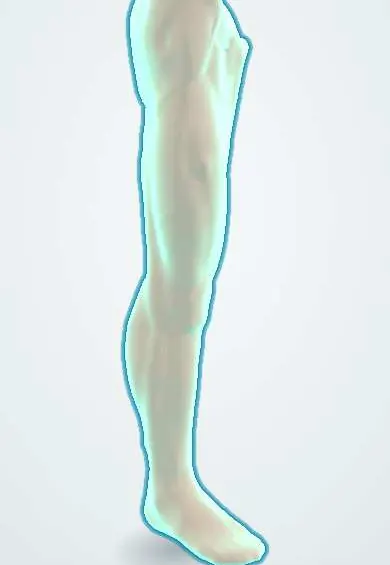
Representative model, for educational purposes only.