Conditions · Infectious and tropical diseases
Melioidosis !
Melioidosis is a serious infection by a tropical soil and water bacterium. It causes pneumonia, abscesses and sepsis, mostly in people with diabetes.
Updated 2026-11-01
Structures involved
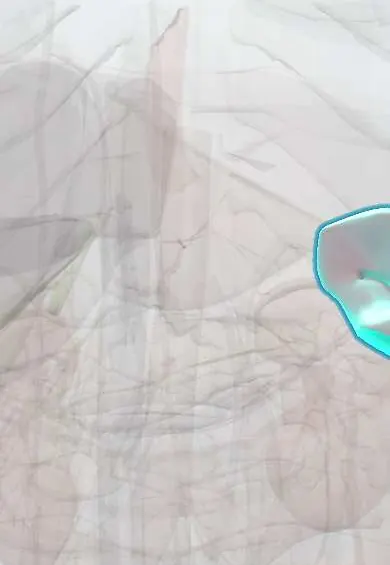
Tap one to see what it is and open it in 3D.
Microorganisms that cause it
Why it happens
- Outcomes of acute inflammation: resolution, abscess, scar or chronic inflammation
- White blood cells: types and functions
What it is
An infection by Burkholderia pseudomallei, a Gram-negative bacillus living in soil and surface water in the tropics. It ranges from skin infection and pneumonia to abscesses in spleen, liver and prostate and fulminant sepsis, and can relapse or reactivate years later.
Who gets it
Highly endemic in Southeast Asia and northern Australia, and increasingly recognised in the Americas. Colombia reports cases acquired locally, on the Caribbean coast and in the Andean region, and is one of the South American countries with the most reports after Brazil. In a case series from Valledupar, most patients had diabetes and bacteraemic pneumonia was the main form. It is probably underdiagnosed because laboratories can misidentify the organism, and cases rise after heavy rains and floods.
Causes
- Burkholderia pseudomallei, an environmental Gram-negative bacillus intrinsically resistant to many antibiotics
- Infection through skin cuts in contact with soil or water, inhalation of dust or droplets, or ingestion
- Incubation usually 1–3 weeks, but latent infection can activate months or years later
Risk factors
- Diabetes mellitus, the strongest risk factor
- Heavy alcohol use and chronic liver disease
- Chronic kidney disease and chronic lung disease
- Thalassaemia, cancer, corticosteroid use or other immunosuppression
- Farming, rice cultivation or other work in wet soil; rainy season, floods and storms
Pathophysiology
The bacterium survives and multiplies inside phagocytes and epithelial cells and can spread directly from cell to cell, which helps it evade immune defences. From the entry site it reaches the blood and seeds organs, forming multiple small abscesses. Impaired neutrophil function in diabetes and alcohol use favours severe disease. Organisms can persist dormant for years, explaining late activation and relapse.
Classification
- Pulmonary melioidosis: acute pneumonia or chronic cavitating disease resembling tuberculosis
- Bacteraemic or septicaemic melioidosis, with or without a focus
- Localized: skin ulcer or abscess, parotid abscess (children), prostatic, splenic, hepatic, bone or joint infection
- Neurological melioidosis (encephalomyelitis, brain abscess), rare
Symptoms and signs
- Fever, often high, with rigors
- Cough, sputum and pleuritic chest pain in pneumonia
- Weight loss and chronic cough in chronic forms resembling tuberculosis
- Abdominal pain from splenic or liver abscesses; urinary symptoms with prostatic abscess
- Skin ulcers, nodules or abscesses; bone or joint pain
- Confusion, headache or seizures in neurological forms
Diagnosis
- Clinical
- Suspected in a person with diabetes or other risk factors, from or returning from an endemic area, who has pneumonia, sepsis or abscesses, especially after rains or contact with soil and water. Its varied picture leads to confusion with tuberculosis and other infections.
- Tests
- Culture of blood, sputum, pus, urine and throat swabs is the gold standard; the laboratory must be warned, because automated systems may misidentify it as other Burkholderia or Pseudomonas species. Confirmation by a reference laboratory and molecular methods is recommended. Serology is of limited value in endemic areas.
- Imaging
- Chest X-ray or CT for pneumonia and cavities; abdominal ultrasound or CT to look for splenic, liver and prostatic abscesses, which are routinely sought.
Differential diagnosis
- Pulmonary tuberculosis
- Other bacterial community-acquired pneumonia and sepsis
- Typhoid fever
- Pyogenic or amoebic liver abscess
- Leptospirosis
Goal of treatment
Control the acute infection with intensive intravenous antibiotics, drain abscesses, then give prolonged oral eradication therapy to prevent relapse.
Treatment
- Medical
- Intensive phase: intravenous ceftazidime or a carbapenem (meropenem) for at least two weeks, longer for deep infection, bone or brain involvement.
- Medical
- Eradication phase: oral trimethoprim-sulfamethoxazole for several months; completing the whole course is essential to prevent relapse.
- Procedure
- Drainage of large abscesses, such as prostatic, liver or joint collections; splenic and small liver abscesses often resolve with antibiotics.
- Follow-up
- Glucose control in diabetes, repeat imaging of abscesses, follow-up for relapse, and notification so the laboratory confirms the isolate.
Complications
- Septic shock and multiorgan failure
- Multiple organ abscesses
- Septic arthritis and osteomyelitis
- Relapse after incomplete eradication therapy
- High mortality in bacteraemic disease
Prognosis
Mortality is high, especially with bacteraemia and septic shock and where diagnosis is delayed, and falls with early appropriate antibiotics and intensive care. Relapse occurs in a minority, mostly when eradication therapy is short or incomplete.
Prevention
- Waterproof boots and gloves for work in soil and water, especially for people with diabetes
- Covering skin wounds and avoiding contact with floodwater
- Drinking treated or boiled water in endemic areas
Test yourself
Think of the answer, then tap the question to see it.
Which bacterium causes melioidosis and where does it live?
Burkholderia pseudomallei, a Gram-negative bacillus found in soil and surface water in tropical regions.
What is the main risk factor for melioidosis?
Diabetes mellitus.
Which chronic infection can melioidosis mimic in the lungs?
Pulmonary tuberculosis, with cavitating upper-lobe disease and weight loss.
What are the two phases of melioidosis treatment?
An intensive intravenous phase (ceftazidime or a carbapenem) followed by months of oral eradication therapy (trimethoprim-sulfamethoxazole).
Related conditions
- Type 2 diabetes mellitus
- Community-acquired pneumonia
- Pulmonary tuberculosis
- Tuberculosis
- Sepsis and septic shock
- Pyogenic liver abscess
- Prostatitis
- Typhoid (enteric) fever
- Leptospirosis
Educational information, not medical advice. For any symptom, see a health professional.
Sources: About Melioidosis | Melioidosis | CDC (Centers for Disease Control and Prevention, 2024); Case Series Study of Melioidosis, Colombia (Emerging Infectious Diseases (CDC), 2019).
Spotted a mistake?We are always improving for the community. Tell us what is wrong and our team will review it.Report a mistake
Representative model, for educational purposes only.