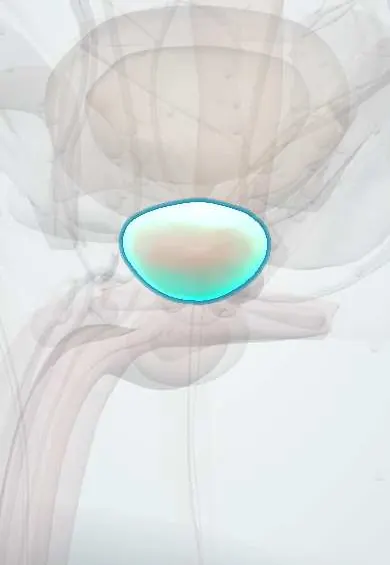
Prostatitis !
Prostatitis is inflammation of the prostate; the acute bacterial form is a sudden infection with fever and painful urination that can spread to the blood.
Updated 2026-10-29
Structures involved
Tap one to see what it is and open it in 3D.
- Prostate
- Peripheral zone
- Prostatic urethra
- Urinary bladder
- Seminal vesicles
- Ejaculatory ducts
- Epididymis
- Rectum
In biochemistry
In the clinical exam
Why it happens
- Patterns of acute inflammation: serous, fibrinous, purulent, abscess, ulcer
- Epididymis, vas deferens, seminal glands and prostate
What it is
Inflammation of the prostate. This page focuses on acute bacterial prostatitis, a sudden infection of the gland with fever and urinary symptoms that can lead to sepsis; chronic forms are summarised under classification.
Who gets it
Prostatitis is one of the most common urological diagnoses in men under 50; the acute bacterial form is less frequent and is seen in young and older men alike. Infections after prostate biopsy and rising antibiotic resistance are a concern in Latin America as elsewhere.
Causes
- Escherichia coli is the most common organism
- Other Gram-negative bacteria (Klebsiella, Proteus, Pseudomonas) and enterococci
- Neisseria gonorrhoeae and Chlamydia trachomatis in younger, sexually active men
- Infection after prostate biopsy or urethral instrumentation, often with resistant organisms
- Spread by reflux of infected urine into the prostatic ducts
Risk factors
- Transrectal prostate biopsy
- Urinary catheter, cystoscopy or other urethral instrumentation
- Bladder outlet obstruction (benign prostatic hyperplasia, urethral stricture)
- Recent urinary tract infection or epididymitis
- Unprotected sexual intercourse, including anal intercourse
- Diabetes, HIV infection or other immunosuppression
Pathophysiology
Bacteria reach the prostate mainly through intraprostatic reflux of infected urine from the prostatic urethra; the peripheral zone, with its long, poorly draining ducts, is most affected. The gland becomes swollen, tender and congested, which can block urine flow. Bacteria may enter the bloodstream, and untreated infection can form a prostatic abscess.
Classification
- NIH category I: acute bacterial prostatitis (this page)
- NIH category II: chronic bacterial prostatitis, with relapsing urinary infections by the same organism
- NIH category III: chronic prostatitis/chronic pelvic pain syndrome (inflammatory IIIA or non-inflammatory IIIB), the most common form, with no proven infection
- NIH category IV: asymptomatic inflammatory prostatitis, found incidentally
Symptoms and signs
- Sudden fever, chills and malaise
- Painful, frequent and urgent urination
- Weak stream, straining or inability to pass urine
- Pain in the perineum, lower abdomen, rectum or low back
- Painful ejaculation
- Very tender, warm and swollen prostate on gentle rectal examination
Diagnosis
- Clinical
- Clinical diagnosis: fever with urinary symptoms and a tender prostate on a gentle digital rectal examination. Vigorous prostatic massage is avoided because it can spread bacteria into the blood.
- Tests
- Urinalysis and midstream urine culture; blood cultures and blood count when febrile; STI testing in sexually active men. PSA rises in acute infection and is not useful at this stage.
- Imaging
- Bladder ultrasound measures post-void residual. Transrectal ultrasound, CT or MRI looks for a prostatic abscess when fever persists or the patient does not improve.
Differential diagnosis
- Acute cystitis or acute pyelonephritis
- Epididymitis
- Benign prostatic hyperplasia with urinary retention
- Prostate cancer
- Urethritis from sexually transmitted infection
- Perianal abscess or other anorectal disease
Goal of treatment
Clear the infection, relieve urinary obstruction, prevent sepsis and abscess, and avoid progression to chronic bacterial prostatitis.
Treatment
- Medical
- Antibiotics that penetrate the prostate, guided by culture and local resistance (for example fluoroquinolones or trimethoprim-sulfamethoxazole); intravenous broad-spectrum agents in severe cases. Courses last several weeks.
- Acute
- Sepsis care when present: fluids, early intravenous antibiotics and close monitoring, often in hospital.
- Procedure
- Urinary retention is relieved by bladder drainage; many urologists prefer a suprapubic catheter or a single gentle urethral catheter. A prostatic abscess is drained transrectally, transperineally or transurethrally.
- Conservative
- Analgesics or anti-inflammatory drugs, hydration and stool softeners for pain; alpha-blockers may ease voiding.
Drugs for this condition
Complications
- Sepsis and septic shock
- Prostatic abscess
- Acute urinary retention
- Chronic bacterial prostatitis
- Epididymitis
Prognosis
Most men recover fully with a prompt, adequate course of antibiotics. A minority develop chronic bacterial prostatitis or chronic pelvic pain; mortality is low but rises with sepsis, abscess and resistant organisms.
Prevention
- Antibiotic prophylaxis and careful technique for prostate biopsy; a transperineal approach lowers infection risk
- Prompt treatment of urinary tract infections and outlet obstruction
- Safer sexual practices and condom use
Test yourself
Think of the answer, then tap the question to see it.
Which organism most often causes acute bacterial prostatitis?
Escherichia coli, followed by other Gram-negative bacteria and enterococci.
Why is vigorous prostatic massage avoided in acute bacterial prostatitis?
It is very painful and can spread bacteria into the bloodstream, causing bacteraemia and sepsis.
What should be suspected when fever persists after 24–48 hours of appropriate antibiotics?
A prostatic abscess, which is looked for with transrectal ultrasound, CT or MRI.
Which NIH category of prostatitis is the most common?
Category III, chronic prostatitis/chronic pelvic pain syndrome, which has no proven bacterial infection.
Which procedure is a classic cause of acute bacterial prostatitis with resistant organisms?
Transrectal prostate biopsy.
Related conditions
- Urinary tract infection (acute cystitis)
- Benign prostatic hyperplasia
- Epididymitis
- Acute pyelonephritis
- Sepsis and septic shock
- Prostate cancer
Educational information, not medical advice. For any symptom, see a health professional.
Sources: Acute Bacterial Prostatitis (StatPearls (NCBI Bookshelf), 2023).
Spotted a mistake?We are always improving for the community. Tell us what is wrong and our team will review it.Report a mistake
Representative model, for educational purposes only.