Conditions · Infectious and tropical diseases
Typhoid (enteric) fever !
Typhoid fever is a bacterial infection spread by contaminated food and water that causes a long, rising fever and can perforate the bowel.
Updated 2026-11-01
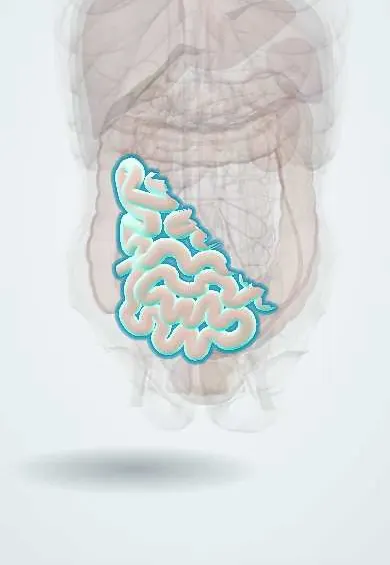
Structures involved
Tap one to see what it is and open it in 3D.
Microorganisms that cause it
Why it happens
- Systemic effects of inflammation: fever, acute-phase proteins, leukocytosis, sepsis
- Bile and the enterohepatic circulation
- Fever
- Enteroendocrine cells and GALT
- Gallbladder and bile ducts
What it is
A systemic infection by Salmonella enterica serotype Typhi (or Paratyphi in paratyphoid fever) that enters through the small intestine, spreads through the lymphatic system and blood, and causes prolonged fever with abdominal symptoms.
Who gets it
Several million cases and around a hundred thousand deaths a year worldwide, mostly in South and Southeast Asia and sub-Saharan Africa. Latin America, including Colombia, has endemic pockets and outbreaks where drinking water and sanitation are poor; Colombia reports it to national surveillance. Drug-resistant strains, including extensively drug-resistant typhoid from Pakistan, are a growing concern.
Causes
- Salmonella Typhi; Salmonella Paratyphi A, B or C cause a similar but usually milder illness
- Faecal-oral spread through water or food contaminated by human stool; humans are the only reservoir
- Chronic carriers who shed bacteria from the gallbladder can start outbreaks, especially food handlers
Risk factors
- Unsafe drinking water and poor sanitation
- Street or raw food, shellfish and unwashed produce in endemic areas
- Travel to or living in endemic regions without vaccination
- Household contact with a case or carrier
- Reduced gastric acid (antacids, gastrectomy) and gallstones (favour chronic carriage)
Pathophysiology
The bacteria cross the small-bowel mucosa through M cells over Peyer patches, are taken up by macrophages and survive inside them. They spread to the mesenteric nodes, liver, spleen and bone marrow, then reseed the blood and the gallbladder, from where they return to the bowel in bile. Hyperplasia and necrosis of Peyer patches in the terminal ileum can ulcerate, bleed or perforate, usually in the third week.
Classification
- Typhoid fever (S. Typhi) and paratyphoid fever (S. Paratyphi): together called enteric fever
- Uncomplicated versus complicated (bleeding, perforation, encephalopathy, shock)
- Chronic carrier state: shedding for more than a year after infection
Symptoms and signs
- Fever that rises step by step over days and becomes sustained and high
- Headache, malaise, loss of appetite and dry cough
- Abdominal pain; constipation early in adults, diarrhoea more often in children
- Relative bradycardia: pulse slower than expected for the fever
- Rose spots: faint pink macules on the trunk in some patients
- Coated tongue, enlarged liver and spleen
Diagnosis
- Clinical
- Suspected in anyone with prolonged fever from an endemic area or after travel, especially with abdominal symptoms, relative bradycardia and splenomegaly; malaria and dengue must be ruled out in parallel.
- Tests
- Blood culture is the main test (best in the first week); bone-marrow culture is the most sensitive and stays positive after antibiotics start. Stool and urine cultures turn positive later and identify carriers. Susceptibility testing guides treatment. Blood count may show leucopenia; liver enzymes are often mildly raised. The Widal test is unreliable.
- Imaging
- Plain abdominal X-ray or CT shows free air when perforation is suspected; ultrasound can show splenomegaly, mesenteric nodes or gallbladder changes.
Differential diagnosis
- Malaria
- Dengue and other arboviral fevers
- Leptospirosis
- Brucellosis
- Rickettsial infections
- Tuberculosis and visceral leishmaniasis (prolonged fever with splenomegaly)
Goal of treatment
Clear the infection with an antibiotic that the local strain is sensitive to, support fluids and nutrition, detect complications such as perforation early, and stop onward spread from carriers.
Treatment
- Medical
- Antibiotics chosen by local resistance and susceptibility results: azithromycin for uncomplicated disease, third-generation cephalosporins (ceftriaxone) for severe cases, carbapenems for extensively drug-resistant strains; fluoroquinolones only where strains remain sensitive.
- Acute
- Hospital care for severe disease: intravenous fluids, antipyretics, nutrition; glucocorticoids in selected patients with severe encephalopathy or shock.
- Follow-up
- Nursing: fever curve, vital signs, fluid balance, abdominal examination for signs of perforation or bleeding, stool for blood; enteric precautions and hand hygiene; follow-up stool cultures in food handlers.
- Surgical
- Ileal perforation needs urgent laparotomy (repair or resection); cholecystectomy may be considered for chronic carriers with gallstones who do not clear with antibiotics.
Complications
- Intestinal perforation of the terminal ileum and peritonitis
- Gastrointestinal haemorrhage
- Encephalopathy, delirium and, rarely, meningitis
- Septic shock and myocarditis
- Hepatitis, cholecystitis and splenic abscess
- Relapse and chronic gallbladder carriage, linked to gallbladder cancer
Prognosis
With prompt effective antibiotics most patients recover and mortality is low; untreated or late-treated disease has a much higher death rate, mainly from perforation and shock. A small share relapse or become chronic carriers.
Prevention
- Safe drinking water, sanitation and food hygiene
- Handwashing with soap after using the toilet and before handling food
- Typhoid vaccines (conjugate, polysaccharide or oral live) for endemic areas and travellers
- Detection and treatment of carriers, especially food handlers
Test yourself
Think of the answer, then tap the question to see it.
Which part of the bowel is typically affected in typhoid fever, explaining the risk of perforation?
The Peyer patches of the terminal ileum, which become hyperplastic, ulcerate and can perforate, usually in the third week.
What is the main diagnostic test for typhoid fever in the first week?
Blood culture; bone-marrow culture is the most sensitive. The Widal serology is unreliable.
Which classic vital-sign finding accompanies the high fever of typhoid?
Relative bradycardia: the pulse is slower than expected for the temperature.
Where do chronic typhoid carriers harbour the bacteria?
In the gallbladder, especially when gallstones are present; they shed it in the stool.
Related conditions
- Bacterial infectious diarrhoea and dysentery
- Acute (viral) gastroenteritis
- Malaria
- Dengue
- Leptospirosis
- Brucellosis
- Sepsis and septic shock
- Peritonitis
- Gallbladder cancer
Educational information, not medical advice. For any symptom, see a health professional.
Sources: Typhoid (World Health Organization, 2023); Clinical Overview of Typhoid Fever and Paratyphoid Fever | Typhoid Fever | CDC (Centers for Disease Control and Prevention, 2024); Typhoid fever: MedlinePlus Medical Encyclopedia (MedlinePlus (U.S. National Library of Medicine), 2024).
Spotted a mistake?We are always improving for the community. Tell us what is wrong and our team will review it.Report a mistake
Representative model, for educational purposes only.