Panic disorder !
Repeated, unexpected attacks of intense fear with a racing heart and breathlessness, followed by worry about new attacks. It responds well to therapy.
Updated 2026-11-01
Structures involved
Tap one to see what it is and open it in 3D.
What it is
An anxiety disorder with recurrent, unexpected panic attacks (sudden surges of intense fear with strong bodily symptoms that peak within minutes), followed by at least a month of persistent worry about further attacks or a change in behaviour to avoid them. Agoraphobia, the fear and avoidance of places where escape seems hard, often coexists and is diagnosed separately.
Who gets it
Panic attacks are common in the general population, while panic disorder affects a smaller share over a lifetime. It usually starts in late adolescence or early adulthood and is about twice as common in women. People often consult emergency or primary care services first, believing they have heart or lung disease.
Causes
- Genetic predisposition: first-degree relatives have a higher risk
- Heightened sensitivity to bodily sensations and catastrophic interpretation of them
- Stressful life events, losses or trauma
- Triggers such as stimulants, caffeine or withdrawal from sedatives
Risk factors
- Female sex
- Family history of anxiety or mood disorders
- Childhood adversity or abuse
- Anxiety sensitivity (fear of anxiety symptoms themselves)
- Smoking and substance use
Pathophysiology
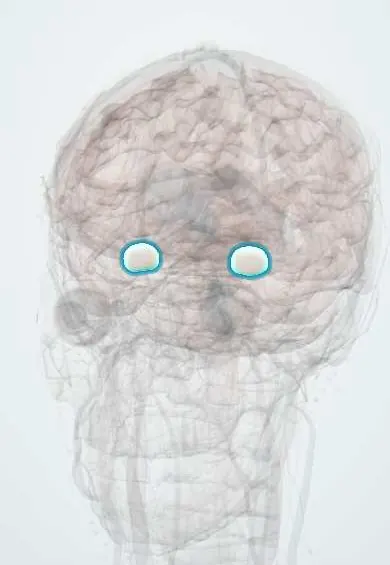
An overly sensitive fear network, centred on the amygdala and its links to the hypothalamus, brainstem and insula, fires an alarm response without real danger. Sympathetic discharge produces palpitations, sweating and tremor, and hyperventilation lowers carbon dioxide and causes tingling and dizziness. Weak top-down control from the prefrontal cortex and learned fear of the sensations keep the cycle going.
Classification
- Panic disorder without agoraphobia
- Panic disorder with agoraphobia (DSM-5 codes agoraphobia as a separate diagnosis)
- Panic attacks as a specifier of other disorders (for example depression or PTSD)
Symptoms and signs
- Sudden intense fear that peaks within minutes
- Palpitations or pounding heart, chest pain or discomfort
- Shortness of breath, choking sensation and hyperventilation
- Sweating, trembling, nausea, dizziness, chills or heat flushes
- Numbness or tingling in the hands and around the mouth
- Fear of dying, losing control or going crazy; feeling of unreality
- Persistent worry about new attacks and avoidance of places such as crowds, public transport or being alone outside home
Diagnosis
- Clinical
- Clinical diagnosis with DSM-5 or ICD-11 criteria: recurrent unexpected attacks plus at least a month of worry or avoidance, not explained by a substance, medical condition or another mental disorder. A careful history rules out stimulant use and screens for depression and suicide risk.
- Tests
- Tailored to the presentation to exclude mimics: ECG, blood glucose, thyroid function (TSH) and, when suspected, troponin, urine drug screen or plasma metanephrines.
- Imaging
- Not needed for diagnosis. Imaging is ordered only when a medical cause is suspected (for example CT pulmonary angiography for pulmonary embolism).
Differential diagnosis
- Acute coronary syndrome or arrhythmia (supraventricular tachycardia, atrial fibrillation)
- Hyperthyroidism
- Pheochromocytoma
- Hypoglycaemia
- Asthma attack or pulmonary embolism
- Stimulant intoxication or withdrawal from alcohol or sedatives
- Generalised anxiety disorder, specific phobia or PTSD
Goal of treatment
Reduce the frequency and intensity of attacks, end avoidance, restore normal functioning and prevent relapse, while avoiding dependence on sedatives.
Treatment
- Conservative
- Cognitive behavioural therapy (psychoeducation, breathing control, interoceptive and situational exposure, cognitive restructuring) is first-line and has lasting effects.
- Medical
- SSRIs or SNRIs are the first-line medicines; they are started low because early jitteriness can occur, and the full effect takes several weeks.
- Medical
- Benzodiazepines act quickly but are reserved for short-term or selected use because of dependence, sedation and falls; they are avoided in people with substance use disorders.
- Lifestyle
- Regular exercise, sleep, and less caffeine, alcohol and nicotine support recovery. During an attack, nursing care means staying with the person, a calm voice, short clear instructions and slow breathing.
Drugs for this condition
Complications
- Agoraphobia and progressive restriction of daily life
- Major depression and increased suicide risk
- Alcohol, sedative or other substance misuse
- Repeated emergency visits and unnecessary tests
- Loss of work or study performance
Prognosis
With CBT, medicines or both, most people improve markedly, although the course can be chronic with relapses under stress. Coexisting agoraphobia, depression or substance use predicts a worse outcome.
Test yourself
Think of the answer, then tap the question to see it.
How long must worry or behaviour change follow the attacks to diagnose panic disorder?
At least one month.
Within what time does a panic attack typically reach its peak?
Within minutes (usually about 10 minutes).
What are the first-line treatments for panic disorder?
Cognitive behavioural therapy and SSRIs or SNRIs.
Why are benzodiazepines not first-line long-term treatment for panic disorder?
They cause dependence, tolerance, sedation and falls, and withdrawal can worsen anxiety.
Which medical conditions should be excluded in a first panic-like attack?
Cardiac disease and arrhythmia, hyperthyroidism, hypoglycaemia, pheochromocytoma, pulmonary embolism and stimulant use.
Related conditions
- Post-traumatic stress disorder (PTSD) and acute stress disorder
- Graves disease (hyperthyroidism)
- Phaeochromocytoma
- Myocardial Infarction (Heart Attack)
- Atrial fibrillation
- Asthma
- Pulmonary embolism
Educational information, not medical advice. For any symptom, see a health professional.
Sources: Panic Disorder (MedlinePlus (U.S. National Library of Medicine), 2025); Panic Disorder: What You Need to Know (National Institute of Mental Health (NIMH), 2024).
Spotted a mistake?We are always improving for the community. Tell us what is wrong and our team will review it.Report a mistake
Representative model, for educational purposes only.