Conditions · Hematology and oncology
Polycythaemia vera !
A chronic blood cancer in which the marrow makes too many red cells, thickening the blood and raising clot risk; JAK2 is mutated in almost all cases.
Updated 2026-11-01
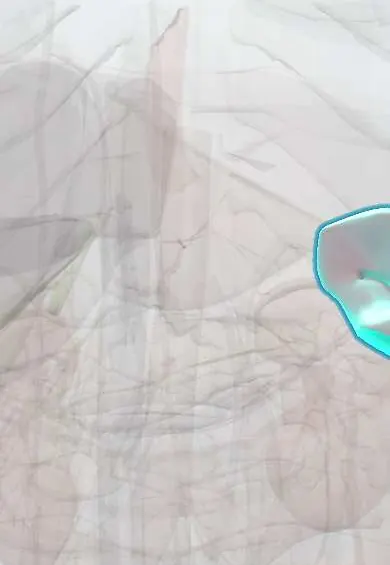
Structures involved
Tap one to see what it is and open it in 3D.
Why it happens
- Oncogenes: RAS, MYC, HER2, BCR-ABL and the table to know
- Hypercoagulable states: inherited and acquired
- Thrombosis and Virchow's triad
- Polycythemia: physiological causes
- Erythropoiesis and erythropoietin
- JAK–STAT pathway
What it is
A myeloproliferative neoplasm in which an acquired mutation in a blood stem cell drives excess production of red cells, often with high white cells and platelets, independent of erythropoietin. It must be distinguished from secondary polycythaemia, in which the increase in red cells is a response to low oxygen or excess erythropoietin.
Who gets it
About one to three new cases per 100,000 people a year, with a median age at diagnosis around 60 and a slight male predominance. In high-altitude cities of Colombia and the Andes, physiological high haemoglobin from altitude is common, so reference values and secondary causes must be considered before diagnosing PV.
Causes
- JAK2 V617F mutation in about 95% of cases; JAK2 exon 12 mutations in most of the rest
- Acquired (somatic), not inherited, in almost all patients
Risk factors
- Age over 60
- Male sex (slight)
- Rare familial clustering of myeloproliferative neoplasms
Pathophysiology
The mutant JAK2 kinase is permanently switched on, so erythroid precursors grow without erythropoietin, which falls to low levels. Increased red cell mass raises blood viscosity and, with activated platelets and leucocytes, promotes arterial and venous clots, including at unusual sites (hepatic and portal veins). Basophils release histamine (itch after a warm bath), and high cell turnover raises uric acid. Over years the disease can burn out into myelofibrosis or transform into acute myeloid leukaemia. In secondary polycythaemia, by contrast, erythropoietin is high and the other cell lines are normal.
Classification
- Risk groups for thrombosis: high risk if age 60 or older or previous thrombosis; low risk otherwise
- Disease phases: chronic phase, post-polycythaemia myelofibrosis, transformation to AML
- Contrast: secondary polycythaemia (hypoxia from COPD, sleep apnoea, high altitude, smoking; erythropoietin-producing tumours such as renal cell carcinoma; testosterone use) and relative polycythaemia from dehydration
Symptoms and signs
- Headache, dizziness, tinnitus and blurred vision (hyperviscosity)
- Ruddy face (plethora)
- Itching after a warm shower or bath (aquagenic pruritus)
- Burning pain and redness of hands and feet (erythromelalgia)
- Early satiety or left upper quadrant fullness from an enlarged spleen
- Gout or kidney stones from high uric acid
Diagnosis
- Clinical
- Raised haemoglobin or haematocrit, often found incidentally, with splenomegaly, aquagenic pruritus or a thrombosis; take a history of smoking, lung and sleep disease, altitude and testosterone use to exclude secondary causes.
- Tests
- Complete blood count (high haemoglobin or haematocrit, often high white cells and platelets); JAK2 V617F mutation test, then exon 12 if negative; serum erythropoietin, which is low in PV and normal or high in secondary causes; bone marrow biopsy showing growth of all three lines (panmyelosis). WHO criteria combine these. Also iron studies (iron deficiency can mask high haemoglobin), uric acid and oxygen saturation.
- Imaging
- Abdominal ultrasound for spleen size and, if suspected, Doppler for hepatic or portal vein thrombosis; chest and kidney imaging when a secondary cause is sought.
Differential diagnosis
- Secondary polycythaemia: chronic hypoxia (COPD, obstructive sleep apnoea, cyanotic heart disease, high altitude, smoking)
- Erythropoietin-secreting tumours (renal cell carcinoma, hepatocellular carcinoma) and post-renal transplant erythrocytosis
- Testosterone or erythropoietin use
- Relative polycythaemia from dehydration or diuretics
- Essential thrombocythaemia, primary myelofibrosis and chronic myeloid leukaemia
Goal of treatment
Prevent thrombosis and bleeding by keeping the haematocrit below 45%, control symptoms, and watch for progression.
Treatment
- Procedure
- Therapeutic phlebotomy (venesection) to keep the haematocrit below 45%, the cornerstone of treatment for all patients.
- Medical
- Low-dose aspirin for all patients without a contraindication, to reduce arterial and venous clots.
- Medical
- Cytoreductive drugs for high-risk patients or those who do not tolerate phlebotomy: hydroxyurea or interferon alfa (preferred in younger patients and pregnancy); ruxolitinib, a JAK inhibitor, for resistance or intolerance.
- Lifestyle
- Stop smoking and control cardiovascular risk factors (blood pressure, cholesterol, diabetes).
- Follow-up
- Regular haematocrit and blood counts, spleen size, uric acid, and watching for signs of thrombosis, bleeding, myelofibrosis or leukaemia; nursing care of phlebotomy includes fluid intake and checking for dizziness.
Drugs for this condition
Complications
- Arterial thrombosis: stroke, myocardial infarction
- Venous thrombosis, including Budd-Chiari syndrome and portal vein thrombosis
- Bleeding (acquired von Willebrand syndrome with very high platelets)
- Gout and urate kidney stones
- Post-polycythaemia myelofibrosis and acute myeloid leukaemia
Prognosis
With phlebotomy, aspirin and cytoreduction when needed, median survival is well over a decade; thrombosis is the main cause of illness and death, and a minority progress to myelofibrosis or leukaemia over time.
Test yourself
Think of the answer, then tap the question to see it.
Which mutation is found in about 95% of patients with polycythaemia vera?
JAK2 V617F.
How does serum erythropoietin differ between polycythaemia vera and secondary polycythaemia?
It is low in polycythaemia vera and normal or high in secondary polycythaemia.
What is the haematocrit target with phlebotomy?
Below 45%.
What is the characteristic itch of polycythaemia vera?
Aquagenic pruritus: itching after a warm bath or shower, from histamine released by basophils.
Which unusual thrombosis should be suspected in PV with abdominal pain and ascites?
Hepatic vein thrombosis (Budd-Chiari syndrome).
Related conditions
- Essential thrombocythaemia and primary myelofibrosis
- Chronic myeloid leukaemia
- Budd-Chiari syndrome
- Portal vein thrombosis
- Ischaemic stroke
- Myocardial Infarction (Heart Attack)
- Deep vein thrombosis
- Obstructive sleep apnoea
- Chronic obstructive pulmonary disease (COPD)
- Gout
- Acute leukaemia (AML and ALL)
Educational information, not medical advice. For any symptom, see a health professional.
Sources: Polycythemia vera (MedlinePlus (U.S. National Library of Medicine), 2025).
Spotted a mistake?We are always improving for the community. Tell us what is wrong and our team will review it.Report a mistake
Representative model, for educational purposes only.