Conditions · Emergency medicine and toxicology
Theophylline toxicity !
Poisoning by theophylline or aminophylline, asthma and COPD medicines with a narrow safe range. It causes vomiting, fast heart rhythms and seizures.
Updated 2026-11-01
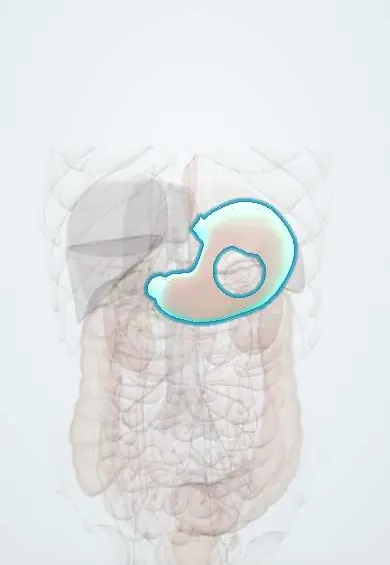
Structures involved
Tap one to see what it is and open it in 3D.
Why it happens
- Adrenergic and cholinergic receptors
- How arrhythmias arise
- Potassium balance
- G protein-coupled receptors and cAMP
What it is
Toxicity from theophylline or aminophylline, methylxanthine bronchodilators with a narrow therapeutic window. It occurs after acute overdose or, more dangerously, as chronic toxicity in older patients whose clearance falls. The hallmark is persistent vomiting, tachyarrhythmias, seizures and metabolic changes such as low potassium and high glucose.
Who gets it
Theophylline is now less used worldwide but remains in use for COPD and asthma in parts of Latin America, including Colombia, because it is inexpensive and oral. Chronic toxicity typically affects older adults with heart failure, liver disease or new interacting medicines; acute overdoses occur with extended-release tablets.
Causes
- Intentional or accidental acute overdose, often of extended-release tablets
- Chronic accumulation from reduced clearance
- Interacting drugs that inhibit metabolism (some macrolides, fluoroquinolones such as ciprofloxacin, cimetidine, allopurinol)
- Stopping smoking while on a stable dose (clearance falls)
- Intravenous aminophylline given too fast
Risk factors
- Older age
- Heart failure, liver cirrhosis, viral illness with fever
- New interacting drugs
- Smoking cessation
- Extended-release formulations in overdose
Pathophysiology
Theophylline blocks adenosine receptors and inhibits phosphodiesterase, raising cyclic AMP, and it stimulates catecholamine release. Excess causes beta-adrenergic overstimulation: sinus and supraventricular tachycardias, atrial fibrillation and ventricular arrhythmias, hypotension from beta-2 vasodilation, and intracellular shift of potassium with hyperglycaemia and lactic acidosis. Adenosine antagonism lowers the seizure threshold, and seizures are often prolonged. Vomiting arises from central stimulation and gastric irritation.
Classification
- Acute overdose: high levels, marked vomiting, hypokalaemia, hyperglycaemia, arrhythmias
- Chronic toxicity: lower levels can still cause seizures and arrhythmias, especially in older adults
- Acute-on-chronic toxicity
Symptoms and signs
- Persistent, often severe vomiting
- Palpitations and fast heart rate
- Restlessness, tremor, agitation and insomnia
- Abdominal pain and diarrhoea
- Seizures
- Fast breathing and low blood pressure in severe cases
Diagnosis
- Clinical
- Ask about theophylline use, formulation, recent dose changes, smoking cessation and new medicines; look for vomiting, tachycardia, tremor and agitation.
- Tests
- Serum theophylline levels repeated every few hours until falling; potassium, glucose, magnesium, phosphate, lactate and blood gas; ECG with continuous monitoring; creatine kinase if there were seizures.
- Imaging
- Usually none; chest X-ray for aspiration and head CT if seizures have an unclear cause.
Differential diagnosis
- Caffeine or other stimulant poisoning
- Sympathomimetic poisoning (cocaine, amphetamines)
- Thyroid storm
- Salicylate toxicity
- Sedative or alcohol withdrawal
Goal of treatment
Control vomiting, arrhythmias and seizures, correct metabolic changes and remove the drug quickly when levels or clinical severity are high.
Treatment
- Acute
- Repeated doses of activated charcoal (theophylline is enhanced by gut dialysis) once vomiting is controlled with antiemetics; benzodiazepines first-line for seizures, then barbiturates; phenytoin is avoided.
- Medical
- Short-acting beta-blockers for tachyarrhythmias and hypotension caused by beta-2 effects, used carefully in patients with bronchospasm; fluids and vasopressors for hypotension; cautious potassium replacement.
- Procedure
- Extracorporeal removal (haemodialysis preferred) for very high levels, seizures, life-threatening arrhythmias or failure to improve.
- Follow-up
- Continuous ECG, serial levels and electrolytes, neurological checks. Nursing: seizure precautions and aspiration precautions given vomiting.
- Conservative
- Review the indication; often switch to safer inhaled therapy for asthma or COPD and teach about interactions and smoking changes.
Complications
- Status epilepticus with brain injury
- Ventricular tachycardia and cardiac arrest
- Rhabdomyolysis
- Aspiration pneumonia
- Severe hypokalaemia and lactic acidosis
Prognosis
Most patients recover with early charcoal and supportive care. Seizures signal a poor outlook, particularly in chronic toxicity in older adults, where they can occur at lower levels and are associated with high mortality.
Prevention
- Level monitoring, dose adjustment for age and comorbidity, checking interactions before starting antibiotics or other drugs, and preferring inhaled therapies where possible
Test yourself
Think of the answer, then tap the question to see it.
What two actions explain theophylline toxicity?
Adenosine receptor antagonism and phosphodiesterase inhibition, plus catecholamine release.
What electrolyte and glucose changes are typical of acute theophylline overdose?
Hypokalaemia from intracellular potassium shift and hyperglycaemia, often with lactic acidosis.
Which decontamination method enhances theophylline elimination?
Multiple-dose activated charcoal (gut dialysis).
Which anticonvulsant is avoided in theophylline seizures?
Phenytoin; benzodiazepines are first line, followed by barbiturates.
Why can stopping smoking cause theophylline toxicity?
Smoking induces the liver enzymes that clear theophylline; after quitting, clearance drops and levels rise.
Related conditions
- Asthma
- Chronic obstructive pulmonary disease (COPD)
- Supraventricular tachycardia (AVNRT, AVRT)
- Atrial fibrillation
- Ventricular tachycardia
- Status epilepticus
- Hypokalaemia
- Rhabdomyolysis
Educational information, not medical advice. For any symptom, see a health professional.
Sources: Aminophylline overdose (MedlinePlus, US National Library of Medicine, 2026).
Spotted a mistake?We are always improving for the community. Tell us what is wrong and our team will review it.Report a mistake
Representative model, for educational purposes only.