Complex regional pain syndrome !
Severe, lasting pain in an arm or leg after an injury, with swelling, colour and temperature changes and stiffness far beyond the original damage.
Updated 2026-11-01
Structures involved
Tap one to see what it is and open it in 3D.
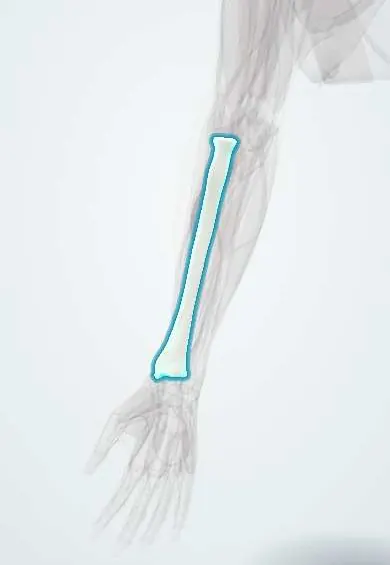
- Radius
- Median nerve
- Skin
- Ulnar nerve
- Wrist capsule
- Finger joint capsules
- Digital arteries
- Radial artery
- Carpal tunnel
Why it happens
- Pain and temperature: pathways and modulation
- Sympathetic and parasympathetic effects on each organ
- Skin blood flow
What it is
A chronic pain condition, usually of a limb, in which pain is disproportionate in duration or intensity to the triggering event and is accompanied by sensory, vasomotor, sweating, oedema and motor or trophic changes. It typically follows a fracture (classically of the distal radius), surgery or minor injury.
Who gets it
Occurs after a small percentage of limb fractures and surgeries, most often of the wrist. It is about three to four times more common in women and peaks around 40 to 60 years. It is a recognised cause of work disability in trauma and orthopaedic practice in Colombia.
Causes
- Fractures, especially distal radius fractures
- Surgery, sprains, crush injuries or casting
- Nerve injury (type II)
- Stroke or myocardial infarction in some cases
- Occasionally no clear trigger
Risk factors
- Female sex and middle age
- Distal radius fracture, particularly with a tight cast or prolonged immobilisation
- High pain intensity early after injury
- Smoking
- History of migraine, asthma or ACE inhibitor use has been associated
Pathophysiology
Several mechanisms combine: exaggerated local inflammation (neuropeptides such as substance P and CGRP), peripheral and central sensitisation, autonomic dysfunction with altered blood flow and sweating, and cortical reorganisation of the body map. Disuse and fear of movement worsen stiffness, osteoporosis and atrophy.
Classification
- Type I (formerly reflex sympathetic dystrophy): no identifiable major nerve injury
- Type II (formerly causalgia): follows a confirmed peripheral nerve injury
- Warm (acute) and cold (chronic) clinical phenotypes
Symptoms and signs
- Burning or throbbing pain out of proportion to the injury, with allodynia and hyperalgesia
- Swelling of the hand or foot
- Changes in skin colour (red, purple or pale) and temperature compared with the other limb
- Abnormal sweating
- Stiffness, weakness, tremor and reduced range of movement
- Changes in hair and nail growth and shiny, thin skin
Diagnosis
- Clinical
- A clinical diagnosis using the Budapest criteria: continuing pain disproportionate to the inciting event, symptoms in at least three of four categories (sensory, vasomotor, sudomotor/oedema, motor/trophic), signs in at least two categories at examination, and no other diagnosis that better explains them.
- Tests
- No specific test. Basic blood tests (blood count, ESR, CRP) to exclude infection or inflammatory arthritis; nerve conduction studies if nerve injury is suspected.
- Imaging
- Plain radiographs may show patchy periarticular osteopenia; a three-phase bone scan or MRI can support the diagnosis or exclude other causes, but they are not required.
Differential diagnosis
- Cellulitis, septic arthritis or osteomyelitis
- Deep vein thrombosis
- Non-union or malunion of a fracture
- Peripheral nerve entrapment such as carpal tunnel syndrome
- Inflammatory arthritis
- Raynaud phenomenon or vascular insufficiency
Goal of treatment
Restore use of the limb and reduce pain early, before stiffness and atrophy become permanent, with an active, multidisciplinary approach.
Treatment
- Rehabilitation
- Physical and occupational therapy are the core: graded activity, desensitisation, mirror therapy and graded motor imagery, encouraging use of the limb.
- Medical
- Medicines to support rehabilitation: NSAIDs, a short course of oral corticosteroids in early warm CRPS, bisphosphonates, gabapentinoids, and tricyclic or SNRI antidepressants for neuropathic pain.
- Procedure
- Selected refractory cases: sympathetic nerve blocks or spinal cord stimulation by a pain specialist.
- Conservative
- Psychological support (cognitive behavioural therapy, pain education) and treatment of anxiety, depression and sleep problems.
- Follow-up
- Regular assessment of pain, swelling, range of movement and function; after fractures, check cast fit and teach finger exercises, which nurses reinforce.
Complications
- Permanent stiffness, contractures and muscle atrophy
- Disuse osteoporosis
- Spread of symptoms to other limbs (uncommon)
- Chronic disability, depression and anxiety
- Skin ulcers and infection in severe cases
Prognosis
Many patients improve within one to two years, especially with early active rehabilitation, but a sizeable minority keep chronic pain and disability. Outcome is worse with long delays in diagnosis and in the cold phenotype.
Prevention
- Early mobilisation of fingers and joints after fractures and surgery, and avoiding overly tight casts
- Good early pain control after injury; vitamin C after wrist fracture has been studied with mixed evidence
Test yourself
Think of the answer, then tap the question to see it.
Which fracture classically precedes complex regional pain syndrome?
Distal radius fracture.
What distinguishes CRPS type II from type I?
Type II follows a confirmed peripheral nerve injury; type I has no major nerve lesion.
Which criteria are used for diagnosis?
The Budapest criteria.
What is the cornerstone of treatment?
Early physical and occupational therapy that restores limb use, supported by pain medicines and psychological care.
Related conditions
- Distal radius fracture (Colles)
- Carpal tunnel syndrome
- Scaphoid fracture
- Ankle fracture
- Ischaemic stroke
- Peripheral neuropathy (diabetic and other)
- Cellulitis of the leg
- Deep vein thrombosis
- Osteoporosis
- Major depressive disorder
- Fibromyalgia
Educational information, not medical advice. For any symptom, see a health professional.
Sources: Complex regional pain syndrome (MedlinePlus (U.S. National Library of Medicine), 2026).
Spotted a mistake?We are always improving for the community. Tell us what is wrong and our team will review it.Report a mistake
Representative model, for educational purposes only.