Peripheral neuropathy (diabetic and other) !
Peripheral neuropathy is damage to nerves outside the brain and spinal cord, most often from diabetes, causing numbness, pain and weakness in the feet first.
Updated 2026-11-01
Structures involved
Tap one to see what it is and open it in 3D.
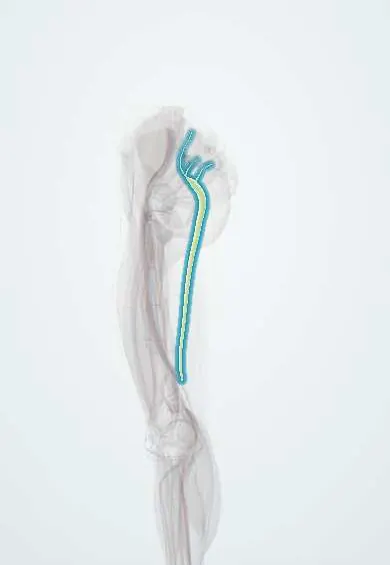
- Sciatic nerve
- Tibial nerve
- Common fibular nerve
- Deep fibular nerve
- Superficial fibular nerve
- Sural nerves
- Dorsalis pedis artery
- Stomach
In the clinical exam
- Motor examination: bulk, tone and strength grading
- Deep tendon reflexes and their grading
- Sensory examination: modalities and dermatomes
- Romberg test
- Abnormal gaits: hemiparetic, parkinsonian, ataxic, steppage, waddling
Why it happens
- Vitamin deficiencies: what each one does to tissue
- Heavy metals: lead, mercury, arsenic and cadmium
- Types of nerve fibers
- Impulse conduction and myelin
- Peripheral nerve: endoneurium, perineurium, epineurium; myelin
- Nerve injury and regeneration (Wallerian degeneration)
What it is
Damage to the peripheral nerves that causes sensory, motor or autonomic symptoms. The commonest pattern is a length-dependent, symmetric polyneuropathy beginning in the feet; diabetes is the leading cause, followed by alcohol, vitamin B12 deficiency, toxins and inherited forms.
Who gets it
Diabetic neuropathy affects a large share of people with long-standing diabetes and is the main path to foot ulcers and amputation in Colombia and Latin America. Leprosy and HIV remain additional causes in the region.
Causes
- Diabetes mellitus (and prediabetes): the most common cause
- Alcohol use disorder, often with poor nutrition
- Vitamin B12 deficiency (pernicious anaemia, metformin use, strict vegan diet)
- Toxic: chemotherapy, isoniazid, heavy metals
- Hereditary: Charcot-Marie-Tooth disease
- Others: hypothyroidism, chronic kidney disease, HIV, leprosy, vasculitis, Guillain-Barré syndrome
Risk factors
- Long duration and poor control of diabetes
- Hypertension, dyslipidaemia, obesity and smoking
- Heavy alcohol intake
- Older age and taller height
- Long-term metformin or acid-suppressing drugs (B12 deficiency)
Pathophysiology
In diabetes, chronic hyperglycaemia damages the nerve through metabolic and oxidative stress, advanced glycation end products and injury to the small vessels that feed the nerves. The longest axons fail first, giving a stocking-and-glove pattern. Small fibres carry pain and temperature, large fibres carry vibration and position sense, and autonomic fibres control the heart, gut, bladder and sweating.
Classification
- Distal symmetric polyneuropathy (most common)
- Autonomic neuropathy: cardiovascular, gastrointestinal (gastroparesis), genitourinary, sudomotor
- Focal and multifocal: mononeuropathies (median, fibular, cranial III) and diabetic amyotrophy (lumbosacral radiculoplexus neuropathy)
- By fibre: small-fibre, large-fibre or mixed
Symptoms and signs
- Numbness, tingling or burning in the feet, spreading upward in a stocking-and-glove pattern
- Neuropathic pain, often worse at night
- Loss of balance and falls from reduced position sense
- Weakness of the foot muscles, foot deformity
- Autonomic: dizziness on standing, early satiety and vomiting (gastroparesis), diarrhoea or constipation, erectile dysfunction, bladder dysfunction, abnormal sweating
Diagnosis
- Clinical
- History and examination: 10-g monofilament, vibration with a 128-Hz tuning fork, pinprick, temperature, ankle reflexes, plus foot inspection. Orthostatic blood pressure for autonomic involvement. Yearly screening is standard in diabetes.
- Tests
- Glucose and HbA1c, vitamin B12 (with methylmalonic acid if borderline), TSH, kidney function, and serum protein electrophoresis as a basic workup. Nerve conduction studies when the presentation is atypical; gastric emptying study for suspected gastroparesis.
- Imaging
- Not routine. MRI when a radiculopathy or plexus lesion is suspected; foot X-ray or MRI for Charcot foot or osteomyelitis.
Differential diagnosis
- Lumbar spinal stenosis or radiculopathy
- Myelopathy, including B12-related subacute combined degeneration
- Peripheral artery disease
- Restless legs syndrome
- Entrapment neuropathy (tarsal tunnel, carpal tunnel)
Goal of treatment
Slow progression by treating the cause, relieve neuropathic pain, and prevent foot ulcers, falls and autonomic complications.
Treatment
- Medical
- Treat the cause: optimise glucose, blood pressure and lipids in diabetes; vitamin B12 replacement; stop alcohol or the toxic drug; thiamine in alcohol-related cases.
- Medical
- Neuropathic pain: gabapentinoids (pregabalin, gabapentin), serotonin-noradrenaline reuptake inhibitors (duloxetine) or tricyclic antidepressants (amitriptyline); topical capsaicin.
- Medical
- Autonomic symptoms: prokinetics and small frequent meals for gastroparesis; volume and compression measures for orthostatic hypotension; phosphodiesterase-5 inhibitors for erectile dysfunction.
- Follow-up
- Annual foot exam, daily self-inspection of the feet and protective footwear; nursing priorities are foot care education, fall prevention and checking water temperature before bathing.
- Rehabilitation
- Physiotherapy for balance and strength, and orthotics for foot deformity or foot drop.
Complications
- Foot ulcers, infection and amputation
- Charcot neuroarthropathy
- Falls and fractures
- Silent myocardial ischaemia and sudden death in cardiac autonomic neuropathy
- Malnutrition and erratic glucose from gastroparesis
Prognosis
Established diabetic neuropathy rarely reverses, but good control of glucose and vascular risk factors slows it, and foot care prevents most amputations. Neuropathies from B12 deficiency or alcohol may improve if treated early.
Prevention
- Early and sustained glucose control, especially in type 1 diabetes
- Control of blood pressure, lipids and weight, and not smoking
- B12 checks in people on long-term metformin
- Limiting alcohol
Test yourself
Think of the answer, then tap the question to see it.
What is the most common pattern of diabetic neuropathy?
Distal symmetric sensorimotor polyneuropathy in a stocking-and-glove distribution.
Which bedside test identifies feet at risk of ulceration?
The 10-g monofilament, often combined with vibration testing using a 128-Hz tuning fork.
Which diabetes drug can cause B12 deficiency and worsen neuropathy?
Metformin, with long-term use.
What are classic features of diabetic gastroparesis?
Early satiety, nausea, vomiting of undigested food, bloating and erratic glucose control.
Which drug classes are first-line for painful diabetic neuropathy?
Gabapentinoids, SNRIs such as duloxetine, and tricyclic antidepressants.
Related conditions
- Type 2 diabetes mellitus
- Type 1 diabetes mellitus
- Diabetic foot
- Megaloblastic anaemia (B12 or folate deficiency)
- Pernicious anaemia
- Guillain-Barré syndrome
- Carpal tunnel syndrome
- Erectile dysfunction
- Hypothyroidism
Educational information, not medical advice. For any symptom, see a health professional.
Sources: Peripheral neuropathy (MedlinePlus Medical Encyclopedia (U.S. National Library of Medicine), 2026); Diabetes and nerve damage (MedlinePlus Medical Encyclopedia (U.S. National Library of Medicine), 2025).
Spotted a mistake?We are always improving for the community. Tell us what is wrong and our team will review it.Report a mistake
Representative model, for educational purposes only.