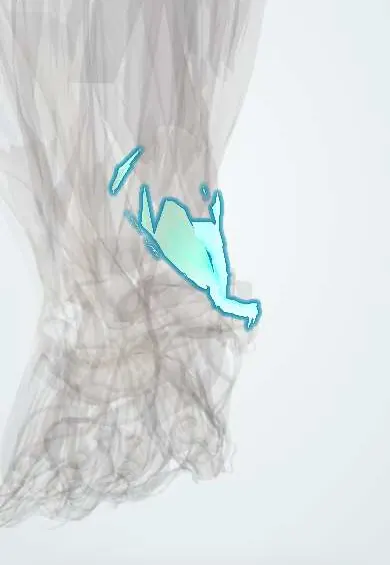
De Quervain tenosynovitis !
De Quervain tenosynovitis is a painful narrowing of the sheath around two thumb tendons at the wrist; it hurts on the thumb side when moving the thumb.
Updated 2026-10-29
Structures involved
Tap one to see what it is and open it in 3D.
- APL and EPB tendons
- 1st compartment sheath
- APL
- EPB
- Extensor retinaculum
- Radius
- Superficial radial nerve
- 1st metacarpal
In the clinical exam
Why it happens
What it is
Painful narrowing of the tendon sheath of the first dorsal compartment of the wrist, which holds the abductor pollicis longus and extensor pollicis brevis tendons over the radial styloid.
Who gets it
Most common in women aged about 30 to 50, and classically in new mothers in the months after childbirth, who repeatedly lift the baby with the thumb spread.
Causes
- Repetitive thumb abduction and extension with ulnar deviation of the wrist
- Lifting an infant with the thumbs abducted
- Hormonal changes in pregnancy and breastfeeding
- Inflammatory arthritis (less often)
Risk factors
- Female sex
- Pregnancy and the postpartum period
- Repetitive hand work and texting
- Rheumatoid arthritis
- Diabetes
Pathophysiology
The tendons glide through a fibro-osseous tunnel formed by the extensor retinaculum over the radial styloid. Repetitive friction thickens the sheath and retinaculum (myxoid degeneration more than true inflammation), so the tendons are squeezed and pain occurs on movement. A separate septum for the extensor pollicis brevis or multiple slips of the abductor pollicis longus are common and can explain failed treatment.
Symptoms and signs
- Pain and swelling over the radial side of the wrist near the radial styloid
- Pain worsened by gripping, pinching or lifting with the thumb
- Tenderness over the first dorsal compartment
- Sometimes crepitus or a catching feeling
Diagnosis
- Clinical
- Tenderness over the first dorsal compartment. Finkelstein test: pain when the thumb is held in the palm and the wrist is deviated ulnarly (the Eichhoff manoeuvre is a common variant).
- Tests
- Not needed unless an inflammatory or infectious cause is suspected.
- Imaging
- Diagnosis is clinical. Ultrasound shows a thickened sheath and can identify a separate extensor pollicis brevis compartment; X-ray to exclude thumb base arthritis or a scaphoid fracture.
Differential diagnosis
- Thumb base (first CMC) osteoarthritis
- Scaphoid fracture
- Intersection syndrome
- Wartenberg syndrome (superficial radial nerve)
- Radial styloid fracture
Goal of treatment
Relieve pain and allow the tendons to glide freely again, with return to normal thumb use.
Treatment
- Conservative
- Thumb spica splint and modification of the provoking activity (including how a baby is lifted).
- Medical
- NSAIDs for symptom relief; corticosteroid injection into the first compartment sheath is effective in many patients.
- Surgical
- Release of the first dorsal compartment for persistent cases, taking care to free any separate subcompartments and protect the superficial radial nerve.
- Rehabilitation
- Hand therapy for gentle stretching and strengthening once pain settles.
Complications
- Chronic pain or recurrence
- Superficial radial nerve injury or neuroma after surgery
- Tendon subluxation after release
- Skin depigmentation or fat atrophy after injection
Prognosis
Most patients improve with splinting and injection; postpartum cases often settle as infant care changes. Surgery has high success when needed.
Prevention
- Lifting technique that keeps the wrist neutral and the thumb close to the hand
- Breaks during repetitive thumb use
Test yourself
Think of the answer, then tap the question to see it.
Which two tendons are affected in De Quervain tenosynovitis?
Abductor pollicis longus and extensor pollicis brevis, in the first dorsal compartment of the wrist.
How is the Finkelstein test performed?
The thumb is held in the palm (or grasped) and the wrist is deviated ulnarly; pain over the radial styloid suggests De Quervain.
Which group of patients classically develops De Quervain tenosynovitis?
New mothers, from repeatedly lifting the baby with the thumb abducted, along with women aged 30 to 50.
Which nerve is at risk during surgical release of the first dorsal compartment?
The superficial branch of the radial nerve.
What anatomical variation can make De Quervain treatment fail?
A separate subcompartment for the extensor pollicis brevis or multiple slips of the abductor pollicis longus.
Related conditions
Educational information, not medical advice. For any symptom, see a health professional.
Sources: De Quervain Tenosynovitis (StatPearls (NCBI Bookshelf), 2023).
Spotted a mistake?We are always improving for the community. Tell us what is wrong and our team will review it.Report a mistake
Representative model, for educational purposes only.