Frailty syndrome !
Frailty is a state of reduced reserve in older adults: small stresses like an infection or a new drug can cause falls, confusion or loss of independence.
Updated 2026-11-01
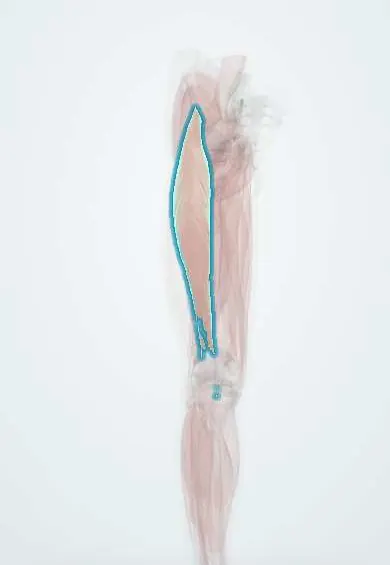
Structures involved
Tap one to see what it is and open it in 3D.
In the clinical exam
Why it happens
- Cellular aging: telomeres, DNA damage, senescence and proteostasis
- How organs age: normal changes vs disease
- Muscle hypertrophy, atrophy and remodeling
What it is
A clinical syndrome of decreased physiological reserve and resistance to stressors across several body systems, which makes an older person vulnerable to falls, disability, hospitalisation and death. It is related to age but not the same as ageing, multimorbidity or disability.
Who gets it
Frailty becomes more common with each decade over 65 and is more frequent in women, in people with low income and in those with several chronic diseases. Latin American surveys of older adults show frequencies at least as high as in high-income countries, and frailty predicts poor outcomes after surgery and acute illness.
Causes
- Sarcopenia: loss of muscle mass and strength
- Chronic inflammation and hormonal changes with ageing
- Undernutrition and weight loss
- Accumulation of chronic diseases (heart failure, chronic kidney disease, COPD, diabetes)
- Physical inactivity and prolonged bed rest
Risk factors
- Advanced age and female sex
- Multimorbidity and polypharmacy
- Low physical activity and poor nutrition
- Depression, cognitive impairment and social isolation
- Low income and education
- Recent hospitalisation or surgery
Pathophysiology
Small losses in many systems (muscle, immune, endocrine, nervous, cardiovascular) add up until reserve is too low to absorb a stressor. Chronic low-grade inflammation, lower anabolic hormones and poor intake drive sarcopenia, which reduces activity and appetite and closes a vicious cycle of weakness, slowness and further loss.
Classification
- Fried frailty phenotype: 3 or more of unintentional weight loss, exhaustion, weak grip strength, slow walking speed and low physical activity (1 to 2 = pre-frail)
- Frailty index: proportion of accumulated health deficits
- Clinical Frailty Scale: graded by clinical judgement from very fit to terminally ill
Symptoms and signs
- Unintentional weight loss
- Self-reported exhaustion and low energy
- Weakness, with low grip strength
- Slow walking speed
- Low physical activity and reduced tolerance of daily tasks
- Recurrent falls, episodes of delirium or fluctuating function with minor illness
Diagnosis
- Clinical
- Screening of adults over 70 and of those with chronic disease or recent hospital stay using tools such as the Clinical Frailty Scale, the FRAIL questionnaire or gait speed; the Fried phenotype; then a comprehensive geriatric assessment (function, mobility, nutrition, cognition, mood, medicines and social support).
- Tests
- Grip strength by dynamometer; Short Physical Performance Battery; blood count, kidney function, albumin, vitamin D, TSH and B12 to look for treatable contributors.
- Imaging
- Not needed for diagnosis; body composition by densitometry or imaging can measure muscle mass in research or sarcopenia assessment.
Differential diagnosis
- Normal ageing
- Disability from a single disease
- Depression
- Cancer or another cause of weight loss
- Hypothyroidism or other endocrine disease
Goal of treatment
Prevent or reverse frailty where possible, avoid harm from tests, drugs and hospital stays, and align care with the person's goals.
Treatment
- Rehabilitation
- Progressive resistance and balance exercise is the most effective intervention and can move people from frail to pre-frail.
- Lifestyle
- Nutritional support with adequate protein and energy; oral supplements when intake is low; social engagement.
- Medical
- Deprescribing to cut polypharmacy, correction of vitamin D deficiency, and optimal treatment of chronic diseases.
- Follow-up
- Regular reassessment of weight, function and falls; frailty assessment before surgery or intensive treatment to guide decisions and advance care planning.
Complications
- Falls and fractures
- Delirium and functional decline in hospital
- Disability and loss of independence
- Admission to long-term care
- Higher mortality after surgery and acute illness
Prognosis
Frailty predicts death and institutionalisation: in the Canadian Study of Health and Aging each step up on the Clinical Frailty Scale raised five-year risk significantly. It is dynamic, and early frailty can improve with exercise and nutrition.
Prevention
- Lifelong physical activity, especially strength training
- Adequate protein intake and maintaining weight
- Avoiding unnecessary bed rest and medicines
Test yourself
Think of the answer, then tap the question to see it.
What are the five criteria of the Fried frailty phenotype?
Unintentional weight loss, self-reported exhaustion, weak grip strength, slow walking speed and low physical activity; 3 or more define frailty.
How many Fried criteria define a pre-frail person?
One or two criteria.
Which intervention has the strongest evidence for improving frailty?
Progressive resistance and balance exercise, ideally combined with nutritional support.
What scale grades frailty by clinical judgement from very fit to dependent?
The Clinical Frailty Scale, developed in the Canadian Study of Health and Aging.
Related conditions
- Sarcopenia
- Malnutrition and unintentional weight loss in older adults
- Falls in older adults
- Polypharmacy and potentially inappropriate medications in older adults
- Dementia (major neurocognitive disorder)
- Osteoporosis
- Heart failure
- Chronic kidney disease
Educational information, not medical advice. For any symptom, see a health professional.
Sources: A global clinical measure of fitness and frailty in elderly people (CMAJ (Canadian Medical Association Journal), 2005).
Spotted a mistake?We are always improving for the community. Tell us what is wrong and our team will review it.Report a mistake
Representative model, for educational purposes only.