Malnutrition and unintentional weight loss in older adults !
Older adults often eat too little and lose weight without trying. This malnutrition weakens muscles and immunity and signals hidden illness.
Updated 2026-11-01
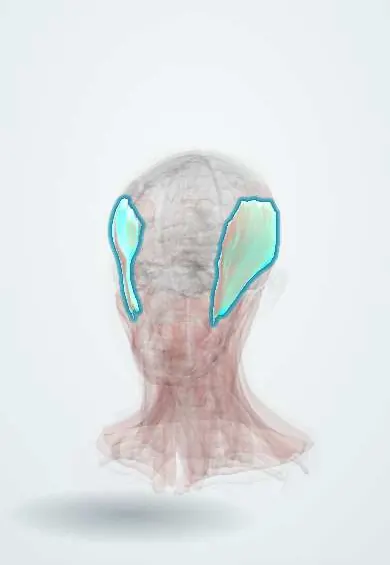
Structures involved
Tap one to see what it is and open it in 3D.
Why it happens
- Severe acute malnutrition: marasmus and kwashiorkor
- Cachexia, anorexia nervosa and bulimia
- What delays healing: infection, diabetes, nutrition, glucocorticoids, poor blood flow
- Local effects of tumours and cancer cachexia
- Prolonged fasting and starvation
- Nitrogen balance and body protein
Show 1 more
What it is
An imbalance in which intake of energy, protein or nutrients does not meet the body's needs, leading to loss of weight, muscle and function. In older adults, unintentional weight loss of more than about 5% in 6 to 12 months is clinically significant. Geriatric failure to thrive describes the combination of weight loss, poor appetite, inactivity and functional decline.
Who gets it
Malnutrition is frequent in older adults admitted to hospital and in care homes, and less so in those living at home, where a larger group is at risk. In Colombia and Latin America, poverty, living alone, food insecurity, poor dental health and chronic disease add to the risk in older people.
Causes
- Medical: cancer, heart failure, COPD, chronic kidney disease, gastrointestinal disease, infections such as tuberculosis, hyperthyroidism and uncontrolled diabetes
- Psychiatric and neurological: depression, dementia, Parkinson disease, stroke
- Oral and swallowing problems: missing teeth, poorly fitting dentures, dry mouth, dysphagia
- Medicines that reduce appetite or taste, or cause nausea, and polypharmacy
- Social: poverty, isolation, loss of a spouse, inability to shop or cook, neglect
- Age-related anorexia: less appetite and earlier fullness with ageing
Risk factors
- Age over 80, frailty and dependence for daily activities
- Hospital admission or residence in a care home
- Dementia, depression and dysphagia
- Poor oral health
- Living alone, low income and food insecurity
- Polypharmacy and chronic multimorbidity
Pathophysiology
Ageing lowers appetite and slows gastric emptying, while illness raises needs and inflammation drives catabolism. With low intake the body uses muscle protein for energy, causing sarcopenia, weakness and poor wound healing. Low protein and micronutrient stores impair immunity, so infections, pressure injuries and delirium become more likely, and these in turn worsen intake.
Classification
- By MNA screening: normal nutritional status, at risk of malnutrition, malnourished
- Disease-related malnutrition with or without inflammation, and malnutrition without disease (social, psychological)
- Severity using GLIM criteria: weight loss, low body mass index or reduced muscle mass, plus reduced intake or inflammation
Symptoms and signs
- Unintentional weight loss and loose clothing or dentures
- Loss of appetite and eating less than usual
- Temporal and facial wasting, loss of muscle in arms and legs
- Fatigue, weakness, slower walking and falls
- Dry skin, poor wound healing and frequent infections
- Low mood, apathy or confusion
Diagnosis
- Clinical
- Weight history and body mass index, food intake and diet history, oral and swallowing examination, cognition and mood, functional status, medication review and social situation. The Mini Nutritional Assessment (MNA, short or full form) is the most used screening tool in older adults; other tools include MUST and NRS-2002. The cause of weight loss is sought systematically.
- Tests
- Blood count, electrolytes, glucose, kidney and liver function, thyroid function, inflammatory markers and, depending on the case, vitamin B12, folate, vitamin D, iron studies, HIV and tuberculosis tests and age-appropriate cancer screening. Albumin is a marker of illness severity more than of nutrition.
- Imaging
- Guided by the clinical picture: chest X-ray, abdominal ultrasound or CT, and endoscopy when cancer or gastrointestinal disease is suspected.
Differential diagnosis
- Cancer (gastrointestinal, lung, haematological)
- Depression and dementia
- Hyperthyroidism and uncontrolled diabetes
- Chronic infection such as tuberculosis or HIV
- Malabsorption and chronic gastrointestinal disease
- Advanced organ failure (heart, lung, kidney) with cachexia
Goal of treatment
Find and treat the cause, restore adequate intake of energy and protein, recover weight and muscle function, and prevent complications such as infections, pressure injuries and refeeding syndrome.
Treatment
- Conservative
- Individualised diet with energy- and protein-dense foods, more frequent meals, help with eating, and fewer dietary restrictions; oral nutritional supplements when intake remains low.
- Medical
- Treatment of the underlying disease, review and withdrawal of medicines that reduce appetite, treatment of depression, dental care and swallowing assessment.
- Procedure
- Enteral feeding by tube in selected people with a reversible cause and an unsafe swallow; it is generally not recommended in advanced dementia.
- Follow-up
- Regular weight and intake records, and electrolyte monitoring (phosphate, potassium, magnesium) when feeding is restarted after severe starvation.
- Rehabilitation
- Physical activity and strength exercises with the nutritional plan to rebuild muscle.
Complications
- Sarcopenia, frailty and falls
- Infections and poor wound healing
- Pressure injuries
- Delirium, longer hospital stays and readmissions
- Refeeding syndrome when nutrition is restarted too quickly
- Higher mortality
Prognosis
Unintentional weight loss in older adults is linked to more disability and death, and often reveals a serious illness. When the cause is treatable and intake improves, weight and function can recover.
Prevention
- Routine weight measurement and nutritional screening in older adults
- Oral health care and well-fitting dentures
- Social support: shared meals, community food programmes and help with shopping
- Avoiding unnecessary diets and medicines in older people
Test yourself
Think of the answer, then tap the question to see it.
Which screening tool was designed specifically to assess nutrition in older adults?
The Mini Nutritional Assessment (MNA), with a short form for screening.
What amount of unintentional weight loss is clinically significant in an older adult?
More than about 5% of body weight in 6 to 12 months.
Which physical sign of the head suggests protein-energy malnutrition?
Temporal wasting, a hollowing of the temples from loss of the temporalis muscle and fat.
Which electrolyte disturbance is the hallmark of refeeding syndrome?
Hypophosphataemia, often with low potassium and magnesium, when feeding restarts after starvation.
Related conditions
- Sarcopenia
- Frailty syndrome
- Oropharyngeal dysphagia in older adults
- Dementia (major neurocognitive disorder)
- Polypharmacy and potentially inappropriate medications in older adults
- Elder abuse and neglect
- Refeeding syndrome
- Periodontitis
- Gastric cancer
- Colorectal cancer
Educational information, not medical advice. For any symptom, see a health professional.
Sources: Malnutrition: MedlinePlus Medical Encyclopedia (MedlinePlus Medical Encyclopedia (U.S. National Library of Medicine), 2025); Overview of the MNA--Its history and challenges (The Journal of Nutrition, Health & Aging, 2006).
Spotted a mistake?We are always improving for the community. Tell us what is wrong and our team will review it.Report a mistake
Representative model, for educational purposes only.