Falls in older adults !
A fall is an unplanned drop to the ground. In older adults falls are common, usually have several causes and can end in fractures and loss of independence.
Updated 2026-11-01
Structures involved
Tap one to see what it is and open it in 3D.
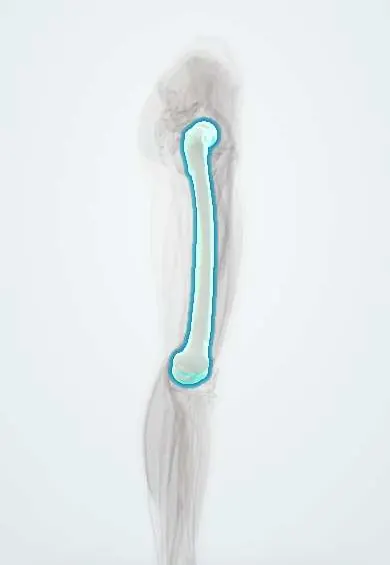
- Femur
- Hip bone
- Rectus femoris
- Gastrocnemius (inner head)
- Gluteus medius
- Vastus lateralis
- Soleus
- Tibialis anterior
- Tibia
In the clinical exam
- Comprehensive geriatric assessment: function, cognition, falls
- Nursing assessment: head-to-toe and focused assessment
Why it happens
- How organs age: normal changes vs disease
- The vestibular system, tone and posture
- The response to standing up
What it is
An event in which a person unintentionally comes to rest on the ground or a lower level. In older adults it is treated as a geriatric syndrome: falls rarely have a single cause and are a marker of frailty, hidden illness or medication harm.
Who gets it
Falls are the second leading cause of unintentional injury death worldwide, and most fall deaths occur in people aged 60 and over. Roughly one in four older adults falls each year, and a first fall doubles the chance of another. As Colombia and Latin America age quickly, fall-related hip fractures and head injuries are a growing burden on emergency and orthopaedic services.
Causes
- Intrinsic factors: weakness of the hip and leg muscles, impaired balance and gait, poor vision, foot problems and cognitive impairment
- Acute illness presenting as a fall (infection, delirium, dehydration, arrhythmia, stroke)
- Medications, especially sedatives, psychotropics, antihypertensives and drugs causing orthostatic hypotension or hypoglycaemia
- Extrinsic factors: poor lighting, loose rugs, stairs without rails, slippery bathrooms and unsafe footwear
Risk factors
- Previous fall, especially in the last year
- Age over 80, frailty and sarcopenia
- Gait or balance disorder, Parkinson disease, stroke or peripheral neuropathy
- Dementia, delirium and depression
- Polypharmacy and psychoactive drugs (benzodiazepines, hypnotics, antidepressants, antipsychotics)
- Orthostatic hypotension, urinary urgency or incontinence and night-time toileting
- Visual impairment, vitamin D deficiency and fear of falling
Pathophysiology
Staying upright depends on vision, the vestibular system, proprioception, muscle strength, reaction time and attention. Ageing and disease erode several of these reserves at once, so a small challenge (a step, a dizzy spell, a new sedative) is enough to cause a fall. Osteoporosis and slower protective reflexes turn the impact into fractures, especially of the hip, wrist and spine.
Classification
- Accidental (mainly environmental) versus non-accidental (from an intrinsic cause)
- Single fall versus recurrent falls (two or more in a year)
- Fall with injury, fall with a long lie on the floor, or fall without injury
Symptoms and signs
- Report of a fall or a near fall, often not volunteered by the patient
- Unsteady or slow gait, shuffling, or use of furniture to steady oneself
- Dizziness on standing, palpitations or brief loss of consciousness before the fall
- Bruises, skin tears, pain in the hip, wrist or back after the event
- Fear of falling with restriction of activity
Diagnosis
- Clinical
- Ask every older adult about falls. After a fall: circumstances, prodrome, injuries, medication review, orthostatic blood pressure, vision, feet, cognition and a neurological and cardiovascular examination. Gait and balance tests such as the Timed Up and Go (12 seconds or more suggests increased risk), the 30-second chair stand and the 4-stage balance test; a home safety assessment.
- Tests
- Guided by the history: blood count, electrolytes, glucose, kidney function, vitamin D and B12, and an ECG; Holter monitoring when an arrhythmia is suspected.
- Imaging
- X-ray of a painful hip, wrist or spine; CT or MRI when a hip fracture is suspected and the X-ray is normal; head CT after a head injury in someone on anticoagulants or with neurological change; bone densitometry to assess osteoporosis.
Differential diagnosis
- Syncope (cardiac, reflex or orthostatic)
- Seizure
- Stroke or transient ischaemic attack
- Hypoglycaemia
- Delirium from an acute illness
Goal of treatment
Treat injuries, find and correct the causes of the fall, and lower the risk of the next one with a multifactorial plan that keeps the person active and independent.
Treatment
- Acute
- Treat injuries first: analgesia, fracture management, head imaging when indicated, and look for rhabdomyolysis and pressure injury after a long lie.
- Rehabilitation
- Progressive strength, gait and balance exercise (including tai chi) supervised by physiotherapy is the most effective single intervention; walking aids fitted correctly.
- Medical
- Medication review to stop or reduce sedatives and other fall-risk drugs; treatment of orthostatic hypotension, arrhythmias, vitamin D deficiency and osteoporosis (bisphosphonates and other anti-osteoporotic classes).
- Lifestyle
- Home modification (lighting, grab bars, removing rugs), safe footwear, cataract surgery or updated glasses when vision limits safety.
- Follow-up
- Nursing priorities in hospital: fall-risk score on admission, bed in low position, call bell within reach, scheduled toileting, non-slip footwear, and avoidance of physical restraints, which increase injury.
Complications
- Hip, wrist, humerus and vertebral fractures
- Traumatic brain injury and subdural haematoma
- Long lie: rhabdomyolysis, hypothermia, pressure injury and dehydration
- Fear of falling, loss of confidence and reduced activity
- Loss of independence and admission to long-term care
Prognosis
A fall is a warning sign: those who fall are likely to fall again, and a hip fracture after a fall carries high one-year mortality and frequent loss of independence. Multifactorial assessment with exercise and medication review clearly reduces new falls.
Prevention
- Ask about falls at least once a year and screen gait and balance
- Regular balance and strength exercise
- Periodic medication review
- Home safety and vision checks
Test yourself
Think of the answer, then tap the question to see it.
Which simple bedside test is widely used to screen gait and balance for fall risk?
The Timed Up and Go test: standing from a chair, walking 3 metres, turning and sitting down; 12 seconds or more suggests increased fall risk.
What is the strongest single predictor of a future fall?
A previous fall, especially in the last year.
Which drug classes most often contribute to falls in older adults?
Psychoactive drugs (benzodiazepines, hypnotics, antidepressants, antipsychotics) and drugs that lower blood pressure or glucose.
Which intervention most consistently reduces falls in community-dwelling older adults?
Exercise programmes focused on balance and strength, within a multifactorial plan.
Why are physical restraints avoided in hospitalised older adults at risk of falling?
They do not prevent falls, increase injury and agitation, and worsen deconditioning and delirium.
Related conditions
- Femoral Neck Fracture
- Intertrochanteric hip fracture
- Osteoporosis
- Frailty syndrome
- Polypharmacy and potentially inappropriate medications in older adults
- Parkinson disease
- Subdural haematoma
- Sarcopenia
Educational information, not medical advice. For any symptom, see a health professional.
Sources: Falls (World Health Organization, 2025); Facts About Older Adult Falls (Centers for Disease Control and Prevention (CDC), 2024).
Spotted a mistake?We are always improving for the community. Tell us what is wrong and our team will review it.Report a mistake
Representative model, for educational purposes only.