Conditions · Infectious and tropical diseases
Hantavirus pulmonary syndrome !
Hantavirus pulmonary syndrome is a rare viral infection caught from rodents that starts like flu and can quickly flood the lungs and cause shock.
Updated 2026-11-01
Structures involved
Tap one to see what it is and open it in 3D.
Microorganisms that cause it
Why it happens
- Edema and effusions: the four mechanisms
- Physiology of pulmonary edema
- Starling forces at the capillary
- Shock physiology
- The alveolus: type I and II pneumocytes, surfactant, the blood–air barrier
What it is
A severe zoonotic infection by New World hantaviruses, acquired mainly by inhaling dust contaminated with rodent excreta. After a flu-like prodrome it causes a capillary leak in the lungs with non-cardiogenic pulmonary oedema and cardiogenic shock; it is also called hantavirus cardiopulmonary syndrome.
Who gets it
It occurs throughout the Americas, with most cases in Argentina, Chile, Brazil, Bolivia, the United States and Canada. Case fatality in the Americas can reach about 50%. Colombia reports very few confirmed cases, but serological studies in rural workers of the Caribbean region show past exposure. Cases cluster in rural and peridomestic settings, often after rodent population surges.
Causes
- Hantaviruses (family Hantaviridae), such as Sin Nombre virus in North America and Andes virus in South America
- Inhalation of aerosolised rodent urine, droppings or saliva, especially in closed, poorly ventilated spaces
- Less often rodent bites; person-to-person spread documented only for Andes virus
Risk factors
- Cleaning or sweeping closed sheds, barns, cabins or storage rooms with rodent droppings
- Agricultural, forestry and rural work, and camping
- Homes with rodent infestation
- Close prolonged contact with a person infected by Andes virus
Pathophysiology
The virus infects the endothelium of the lung capillaries without destroying it. The immune response, especially cytotoxic T cells and cytokines, makes the capillaries leaky, so protein-rich fluid floods the interstitium and alveoli (non-cardiogenic pulmonary oedema) and plasma volume falls (haemoconcentration). Myocardial depression adds a low cardiac output state, producing shock that can kill within hours.
Classification
- Prodromal phase: 3–6 days of fever, myalgia and gastrointestinal symptoms
- Cardiopulmonary phase: abrupt cough, dyspnoea, pulmonary oedema, hypotension and shock
- Diuretic and convalescent phases: rapid clearance of lung fluid and slow recovery over weeks
Symptoms and signs
- Fever, chills and fatigue
- Intense muscle aches, especially of the thighs, hips and back
- Headache, nausea, vomiting, abdominal pain and diarrhoea
- Dry cough and rapidly worsening shortness of breath after a few days
- Tachycardia, tachypnoea and low oxygen saturation
Diagnosis
- Clinical
- Suspected in a patient with a febrile illness, myalgia and possible rodent exposure (occupation, travel, cleaning closed spaces) who develops respiratory symptoms. Early diagnosis is hard because it mimics influenza, COVID-19, leptospirosis and dengue. Suspected cases are notified to public health.
- Tests
- Complete blood count showing the classic combination of thrombocytopenia, haemoconcentration, leukocytosis with left shift and immunoblasts; elevated lactate dehydrogenase and low albumin. Confirmation by hantavirus-specific IgM serology or RT-PCR in blood.
- Imaging
- Chest X-ray with interstitial oedema (Kerley lines, peribronchial cuffing) progressing to bilateral alveolar infiltrates and pleural effusions, with a normal-sized heart; echocardiography shows reduced cardiac output.
Differential diagnosis
- Leptospirosis with pulmonary haemorrhage
- Severe dengue
- Influenza, COVID-19 and other viral pneumonias
- Community-acquired pneumonia and septic shock
- Acute respiratory distress syndrome from other causes
Goal of treatment
Recognise the disease early, transfer the patient to intensive care before the cardiopulmonary phase, support oxygenation and circulation while avoiding fluid overload, and prevent further exposure.
Treatment
- Acute
- Early transfer to intensive care; supplemental oxygen and, when needed, mechanical ventilation with lung-protective settings.
- Acute
- Cautious fluid therapy to avoid worsening pulmonary oedema, with early vasopressors and inotropes for shock; no antiviral has proven effective.
- Procedure
- Extracorporeal membrane oxygenation (ECMO) in specialised centres for refractory shock or hypoxaemia.
- Follow-up
- Close monitoring of oxygenation, blood pressure, urine output, haematocrit and platelets; standard precautions, with added isolation measures for suspected Andes virus.
Complications
- Severe non-cardiogenic pulmonary oedema and respiratory failure
- Cardiogenic shock and arrhythmias
- Acute kidney injury and bleeding (more prominent in the renal syndrome)
- Death, often within 24–48 hours of the cardiopulmonary phase
Prognosis
Fatality is high, around 35–50% in the Americas, and most deaths occur early in the cardiopulmonary phase. Survivors usually recover lung function fully, though fatigue can last weeks to months.
Prevention
- Sealing homes and storage areas against rodents and storing food securely
- Ventilating closed spaces and wetting droppings with disinfectant before cleaning; never sweeping or vacuuming them dry
- Using gloves and hand hygiene when handling rodent-contaminated material
- Isolation and contact follow-up during Andes virus outbreaks
Test yourself
Think of the answer, then tap the question to see it.
How is hantavirus usually transmitted to humans?
By inhaling aerosolised rodent urine, droppings or saliva, especially when cleaning closed spaces.
What classic blood count triad suggests hantavirus pulmonary syndrome?
Thrombocytopenia, haemoconcentration (rising haematocrit) and leukocytosis with immunoblasts.
What type of pulmonary oedema does it cause?
Non-cardiogenic oedema from capillary leak, with a normal-sized heart on X-ray.
Which hantavirus can spread from person to person?
Andes virus, found in South America.
Why must intravenous fluids be given cautiously?
The capillaries are leaky, so excess fluid worsens pulmonary oedema; shock is supported early with vasopressors and inotropes.
Related conditions
- Acute respiratory distress syndrome (ARDS)
- Leptospirosis
- Dengue
- Community-acquired pneumonia
- Influenza (flu)
- COVID-19
- Sepsis and septic shock
- Cardiogenic shock
Educational information, not medical advice. For any symptom, see a health professional.
Sources: Hantavirus - OPS/OMS | Organización Panamericana de la Salud (Organización Panamericana de la Salud, 2025); Hantavirus: MedlinePlus Medical Encyclopedia (MedlinePlus (U.S. National Library of Medicine), 2024).
Spotted a mistake?We are always improving for the community. Tell us what is wrong and our team will review it.Report a mistake
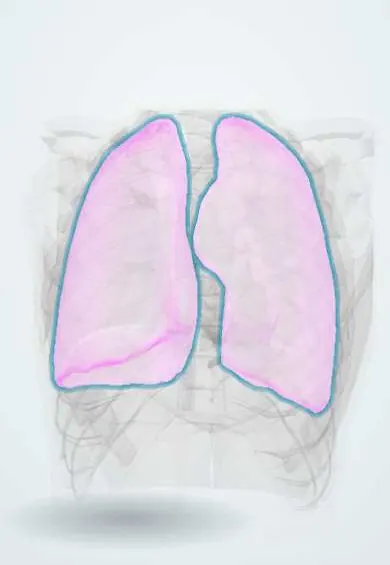
Representative model, for educational purposes only.