
Kidney disease in people who use heroin (heroin-associated nephropathy)
Heroin use can harm the kidneys in several ways, from scarred filters to sudden failure after an overdose. Most of them are treatable or preventable.
Quick facts
- Key signs
- Swelling of the legs · Dark · Blood in the urine
- Diagnosis
- Congo red staining
Red flags ↓
No doses: the clinician sets them by the current guideline.
What it is
A group of kidney diseases seen in people who use heroin, mainly by injection: focal segmental glomerulosclerosis (the classic heroin-associated nephropathy), AA amyloidosis from chronic skin infections, glomerulonephritis from infections (endocarditis, hepatitis B and C, HIV) and acute kidney injury from rhabdomyolysis after an overdose.
Who gets it
Classic heroin-associated FSGS was described in the 1970s and peaked in the late 1970s and early 1980s, mostly in young men of African ancestry in large US cities. New cases then fell despite rising heroin use, as HIV-associated nephropathy rose; whether heroin itself, its additives, infections or genetic risk caused the lesion is still unclear. AA amyloidosis is an important and growing cause of kidney disease in people who inject drugs, at some centres the leading cause of kidney failure needing dialysis in this group. Rhabdomyolysis is the most common cause of acute kidney injury in people who use drugs.
Causes
- Focal segmental glomerulosclerosis: possibly a direct effect of heroin, morphine or additives on glomerular cells; APOL1 risk variants may explain why people of African ancestry were mostly affected (a hypothesis)
- AA amyloidosis: chronic inflammation from repeated skin and soft-tissue infections, especially with subcutaneous injection (skin popping) and long injection histories
- Infection-related glomerulonephritis: Staphylococcus aureus endocarditis, hepatitis C (membranoproliferative pattern, usually through cryoglobulins), hepatitis B, HIV-associated nephropathy
- Acute kidney injury: rhabdomyolysis from long immobility after an overdose, dehydration and urinary retention
- Septic emboli, renal infarction and renal or perinephric abscess from bacteraemia
- Drug-induced acute interstitial nephritis from antibiotics used for these infections
Risk factors
- Injection use, sharing needles or other equipment
- Subcutaneous or intramuscular injection and chronic skin wounds
- Hepatitis C, hepatitis B or HIV infection
- Overdose with long periods unconscious
- African ancestry (APOL1 variants) for FSGS
- Limited access to health care and harm-reduction services
Pathophysiology
Several separate chains end in the kidney. (1) Heroin, its metabolite morphine or its additives injure glomerular cells → segmental scarring of glomeruli (FSGS) → heavy proteinuria and loss of function. (2) Chronic skin infection → the liver keeps producing serum amyloid A → its fragments fold into amyloid fibrils that deposit in the glomeruli → nephrotic syndrome. (3) Germs from injection → immune complexes from endocarditis, hepatitis C (cryoglobulins) or hepatitis B, or direct HIV infection of kidney cells → glomerulonephritis or collapsing FSGS. (4) Hours lying still after an overdose → muscle compression and breakdown → myoglobin floods the tubules, forms casts and damages them → acute kidney injury with high potassium.
Classification
- Glomerular, nephrotic: heroin-associated FSGS, AA amyloidosis, HIV-associated nephropathy, membranous nephropathy (hepatitis B)
- Glomerular, nephritic: endocarditis-associated glomerulonephritis, hepatitis C membranoproliferative glomerulonephritis with cryoglobulinaemia
- Acute kidney injury: rhabdomyolysis, sepsis, septic emboli and infarction, interstitial nephritis
- Structural infection: renal or perinephric abscess
Symptoms and signs
- Swelling of the legs, face or abdomen and foamy urine (nephrotic syndrome)
- Dark, cola-coloured urine and muscle pain or swelling after an overdose (rhabdomyolysis)
- Blood in the urine, high blood pressure and less urine (glomerulonephritis)
- Fever, weight loss and new heart murmur with endocarditis
- Tiredness, nausea and itching as kidney failure advances
Diagnosis
- Clinical
- Take a respectful, non-judgemental history of substances, route and site of injection, overdoses, skin infections and testing for HIV and hepatitis; patients share more when they feel safe. Look for oedema, skin abscesses or scars, a heart murmur and swollen limbs.
- Tests
- Urinalysis with microscopy (protein, blood, red cell casts; dark or reddish urine after an overdose suggests myoglobin from muscle breakdown). Urine protein-to-creatinine ratio, creatinine, potassium, albumin, creatine kinase. Serology for HIV, hepatitis B and hepatitis C; complement levels, cryoglobulins, blood cultures and echocardiography when infection is possible. Kidney biopsy usually identifies the lesion; Congo red staining confirms amyloid (abdominal fat or rectal biopsy are alternatives).
- Imaging
- Kidney ultrasound to assess size and rule out obstruction; small, scarred kidneys suggest long-standing disease. Echocardiography for endocarditis. CT if an abscess or infarction is suspected.
Differential diagnosis
- Primary FSGS or other primary glomerular diseases
- Diabetic kidney disease and hypertensive nephrosclerosis
- Lupus nephritis and other immune-complex diseases
- Cocaine-related kidney injury (levamisole vasculitis, rhabdomyolysis, renal infarction)
- Prerenal acute kidney injury from dehydration or sepsis
A person who injects heroin has abnormal kidneys: which lesion is it?
| Lesion | Main route | Typical clue | What confirms it |
|---|---|---|---|
| Heroin-associated FSGS | Drug or additives on glomerular cells | Nephrotic proteinuria, steady loss of function | Kidney biopsy; exclude HIV |
| AA amyloidosis | Chronic skin infection (skin popping) | Nephrotic syndrome, chronic skin wounds | Congo red: apple-green birefringence |
| Endocarditis glomerulonephritis | Staphylococcus aureus bacteraemia | Fever, murmur, haematuria | Blood cultures, echocardiography, biopsy |
| Hepatitis C membranoproliferative GN | Hepatitis C from shared equipment | Haematuria, proteinuria, cryoglobulins | Hepatitis C RNA, biopsy |
| HIV-associated nephropathy | HIV from shared equipment | Massive proteinuria, fast loss of function | HIV test, biopsy (collapsing FSGS) |
| Rhabdomyolysis | Immobility after overdose | Dark urine, very high creatine kinase, high potassium | Very high creatine kinase |
Goal of treatment
Find the specific lesion, treat its cause, protect the remaining kidney function, and support the person's health and safety with care that does not judge.
Treatment
- Acute
- Rhabdomyolysis: early, generous intravenous fluids, correction of high potassium, assessment for compartment syndrome; dialysis for life-threatening potassium, acidosis or fluid overload.
- Medical
- Treat the cause: antibiotics guided by cultures for endocarditis (covering Staphylococcus aureus), direct-acting antivirals for hepatitis C, antiviral therapy for hepatitis B, antiretroviral therapy for HIV, and healing of chronic skin infections in AA amyloidosis. Renin–angiotensin system blockers (ACE inhibitors or ARBs) reduce proteinuria in glomerular disease.
- Lifestyle
- Harm reduction: sterile injection equipment, because non-sterile injection spreads hepatitis C and HIV, and early care of skin wounds and infections, which drive AA amyloidosis.
- Follow-up
- Follow creatinine and proteinuria; dialysis or kidney transplantation for kidney failure, assessed case by case.
Complications
- Chronic kidney disease and kidney failure needing dialysis
- Life-threatening hyperkalaemia after rhabdomyolysis
- Thrombosis and infections of the nephrotic syndrome
- Amyloid deposits in the liver, spleen, gut and heart
- Infections of dialysis access
Common traps
- Heroin itself is the usual cause: today most kidney disease in people who use heroin comes from infections, chronic skin wounds or overdose, so look for HIV, hepatitis C, endocarditis and amyloid
- AA amyloidosis progresses slowly: kidney function often falls fast after diagnosis, so heavy proteinuria in a person with chronic skin wounds needs prompt work-up
- Using drugs rules out kidney care: people who use drugs can receive dialysis and be assessed for transplantation; stigma is a barrier to care, not a medical reason
- Hepatitis C only harms the liver: it causes 80–90% of mixed cryoglobulinaemia, which can damage the glomeruli (membranoproliferative glomerulonephritis)
Prognosis
Depends on the lesion. Acute kidney injury from rhabdomyolysis usually has a good outlook with early treatment. Hepatitis C and endocarditis-related glomerulonephritis may improve when the infection is cured. Classic heroin-associated FSGS often progressed to kidney failure within months to years, and AA amyloid kidney disease often worsens fast: in one series dialysis was needed a median of 1.4 years after diagnosis.
Prevention
- Sterile injection equipment (non-sterile injection spreads hepatitis C and HIV)
- Early treatment of skin wounds and soft-tissue infections
- Regular testing for HIV, hepatitis B and hepatitis C
- Routine urine protein and creatinine checks in people who inject drugs, so that kidney involvement is found early
Test yourself
Think of the answer, then tap the question to see it.
A 34-year-old man who injects heroin under the skin and has chronic skin ulcers has leg oedema and protein 8 g a day in the urine. HIV is negative. Most likely lesion and test?
AA amyloidosis from chronic skin infections; a kidney (or fat) biopsy with Congo red shows apple-green birefringence under polarised light.
A man is found after lying unconscious for hours following an overdose. His urine is dark and his creatinine is rising. What is the likely cause?
Rhabdomyolysis: muscle breakdown releases myoglobin into the urine, which damages the tubules and causes acute kidney injury.
Which serology must be checked before blaming heroin itself for FSGS?
HIV (HIV-associated nephropathy, a collapsing FSGS), plus hepatitis B and C.
A person who injects drugs has fever, a new murmur and haematuria. What kidney lesion is likely?
Infection-related glomerulonephritis from Staphylococcus aureus endocarditis; blood cultures and echocardiography look for the source.
Connections
Educational information, not medical advice. For any symptom, see a health professional.
Sources: Apolipoprotein L1 (APOL1) Variants (Vs) a possible link between Heroin-associated Nephropathy (HAN) and HIV-associated Nephropathy (HIVAN) (Lan et al., Frontiers in Microbiology) (Europe PMC, 2015); Trends in diagnosis of amyloid kidney disease in people who inject drugs (PWID) (Narayanan et al., Preventive Medicine Reports) (Europe PMC, 2026); Renal manifestations of recreational drugs: A narrative review of the literature (Kannan et al., Medicine) (Europe PMC, 2022); Renal Manifestations of Chronic Hepatitis C: A Review (Sohal et al., Journal of Clinical Medicine) (Europe PMC, 2024).
Spotted a mistake?We are always improving for the community. Tell us what is wrong and our team will review it.Report a mistake
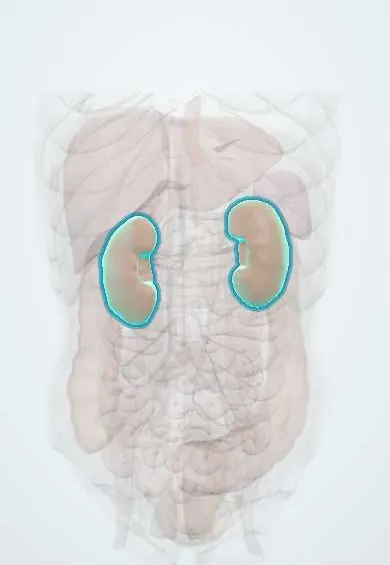
Representative model, for educational purposes only.