Conditions · Nephrology and urology
Acute urinary retention !
Acute urinary retention is the sudden, painful inability to pass urine although the bladder is full; it needs prompt drainage with a catheter.
Updated 2026-11-01
Structures involved
Tap one to see what it is and open it in 3D.
- Urinary bladder
- Prostate
- Urethra (male)
- Prostatic urethra
- External urethral sphincter
- Trigone of bladder
- Urethra (female)
In the clinical exam
- Urinary symptoms: dysuria, frequency, oliguria and hematuria
- Bladder examination: the distended bladder
Why it happens
- Hyperplasia: physiologic and pathologic
- Micturition and the bladder reflex
- Adrenergic and cholinergic receptors
- Epididymis, vas deferens, seminal glands and prostate
What it is
The sudden inability to empty the bladder voluntarily, usually painful, with a bladder that can be felt above the pubis. It differs from chronic retention, which develops slowly, is often painless and shows a large post-void residual with overflow dribbling.
Who gets it
Much more common in men, and its incidence rises steeply with age because of prostate enlargement. It is also frequent after surgery and anaesthesia, after childbirth and in older inpatients taking anticholinergic or opioid medicines. In women it is uncommon and should prompt a search for a pelvic mass or neurological cause.
Causes
- Benign prostatic hyperplasia, often triggered by cold, alcohol, constipation or medicines
- Medicines: anticholinergics, antihistamines, tricyclic antidepressants, opioids, decongestants (alpha-agonists)
- Post-operative retention after anaesthesia, especially spinal anaesthesia and pelvic or hernia surgery
- Urethral stricture, clots, stones or prostate cancer
- Constipation or faecal impaction
- Neurological: cauda equina syndrome, spinal cord injury, multiple sclerosis, diabetic neuropathy
- Infection: acute prostatitis, genital herpes; pelvic mass or prolapse in women
Risk factors
- Older male with lower urinary tract symptoms
- Recent surgery, anaesthesia or epidural
- New anticholinergic or opioid medication
- Immobility and constipation
- Neurological disease or diabetes
- Postpartum period
Pathophysiology
Retention results from outlet obstruction (mechanical, as in prostate enlargement, or dynamic, as in increased alpha-adrenergic tone of the bladder neck and prostate), from weak detrusor contraction (anticholinergic drugs, overdistension, nerve damage), or from failed nerve control of voiding. Overdistension stretches the detrusor and can damage its contractility, and high bladder pressure can transmit to the upper tracts and cause kidney injury.
Classification
- Precipitated (a clear trigger such as surgery, drugs or constipation) versus spontaneous
- Acute versus chronic (and acute-on-chronic)
- Obstructive, neurogenic, pharmacological, infectious or inflammatory
Symptoms and signs
- Sudden inability to pass urine
- Severe lower abdominal pain and urgency
- Tender, distended bladder felt or percussed above the pubis
- Restlessness and agitation, or new confusion in older adults
- Possible history of weak stream, hesitancy and nocturia
Diagnosis
- Clinical
- Palpation and percussion of the bladder; abdominal, genital and digital rectal examination; perineal sensation and lower limb neurology; full medication review.
- Tests
- Bladder scan to confirm volume before catheterisation; urinalysis and urine culture; creatinine and electrolytes; PSA is deferred because retention and catheterisation raise it.
- Imaging
- Bladder ultrasound; kidney ultrasound if creatinine is high or retention was chronic (hydronephrosis); MRI of the spine urgently if cauda equina is suspected.
Differential diagnosis
- Anuria from acute kidney injury (empty bladder on scan)
- Chronic urinary retention with overflow incontinence
- Other causes of lower abdominal pain: appendicitis, diverticulitis, gynaecological causes
- Cystitis with frequency and urgency but small volumes
Goal of treatment
Drain the bladder promptly to relieve pain and protect the kidneys, find and remove the trigger, and plan a trial without catheter or definitive treatment.
Treatment
- Procedure
- Urethral catheterisation with aseptic technique; suprapubic catheter if urethral insertion fails or is contraindicated (for example urethral injury). Record the drained volume.
- Medical
- Alpha-blockers started before a trial without catheter improve success in men with prostate enlargement; stop or change causative medicines and treat constipation and infection.
- Surgical
- For recurrent retention from prostate enlargement: transurethral resection or other prostate procedures; urethrotomy for strictures; clean intermittent self-catheterisation when the bladder does not contract.
- Follow-up
- Nursing care: bladder scans after surgery and when voiding is delayed, hourly urine output after drainage in large-volume retention, watching for haematuria, hypotension and post-obstructive diuresis, catheter care and early removal.
Drugs for this condition
Complications
- Catheter-associated urinary tract infection
- Acute kidney injury and hydronephrosis
- Post-obstructive diuresis
- Haematuria after decompression
- Urethral trauma or stricture from catheterisation
- Detrusor damage and recurrent retention
Prognosis
Relief is immediate after drainage. After a precipitated episode many patients void again after a trial without catheter, but spontaneous retention from prostate enlargement often recurs and usually leads to surgery.
Prevention
- Avoiding anticholinergic and decongestant medicines in older men with prostate symptoms
- Bladder monitoring and early mobilisation after surgery
- Preventing constipation
- Treating prostate enlargement early
Test yourself
Think of the answer, then tap the question to see it.
What bedside test confirms urinary retention before catheterisation?
A bladder scan (portable ultrasound) showing a large volume.
What is the most common cause of acute urinary retention in older men?
Benign prostatic hyperplasia, often triggered by drugs, constipation or surgery.
Which two drug classes commonly cause urinary retention?
Anticholinergics and opioids (also antihistamines, tricyclics and alpha-agonist decongestants).
Which neurological emergency must be excluded in retention with back pain and saddle anaesthesia?
Cauda equina syndrome, with urgent MRI of the spine.
Why is PSA not checked during acute retention?
Retention and catheterisation raise PSA falsely, so it is measured later.
Related conditions
- Benign prostatic hyperplasia
- Prostatitis
- Prostate cancer
- Urinary tract infection (acute cystitis)
- Catheter-associated urinary tract infection
- Hydronephrosis and obstructive uropathy
- Acute kidney injury
- Neurogenic bladder
- Cauda equina syndrome
- Spinal cord injury
- Multiple sclerosis
- Delirium
- Anticholinergic toxicity (incl. scopolamine «burundanga»)
Educational information, not medical advice. For any symptom, see a health professional.
Sources: Urinary Retention - NIDDK (NIDDK (National Institutes of Health), 2019).
Spotted a mistake?We are always improving for the community. Tell us what is wrong and our team will review it.Report a mistake
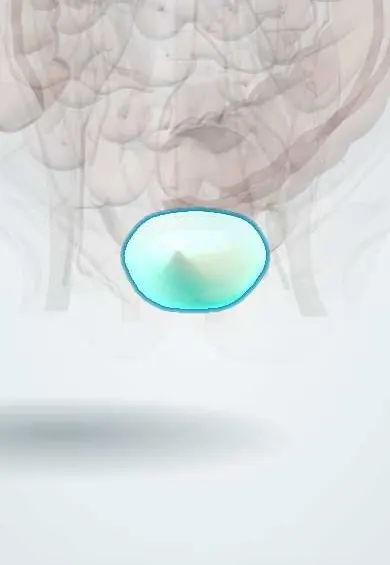
Representative model, for educational purposes only.