Conditions · Emergency medicine and toxicology
Opioid overdose !
Opioid overdose slows or stops breathing, causing coma and pinpoint pupils. It can be reversed by naloxone and ventilatory support.
Updated 2026-11-01
Structures involved
Tap one to see what it is and open it in 3D.
In the clinical exam
Why it happens
- Hypoxia, ischemia and reperfusion injury
- Drugs of abuse: cocaine, opioids, amphetamines, cannabis
- Control of breathing, chemoreceptors and lung reflexes
- Respiratory acidosis and alkalosis
- Hypoxemic and hypercapnic respiratory failure
What it is
Life-threatening poisoning by opioids (heroin, morphine, fentanyl, methadone, tramadol and others) in which central depression of breathing leads to hypoxia, coma and death.
Who gets it
WHO estimates about 125,000 opioid-overdose deaths worldwide in 2019, and opioids are linked to most deaths attributable to drug use. Potent synthetic opioids such as fentanyl, sometimes added to other drugs without the user knowing, have driven a rise in deaths. In Latin America illicit opioid use is less common than in North America, but poisonings also occur with prescribed opioids.
Causes
- Illicit opioid use (heroin, illicitly made fentanyl)
- Prescribed opioids taken in excess, combined, or by someone other than the patient
- Accidental ingestion by children
- Intentional overdose (self-harm)
Risk factors
- Opioid use disorder, especially after a period of abstinence (lost tolerance), such as after prison or detox
- Combining opioids with benzodiazepines, alcohol or other sedatives
- Injecting drugs or using drugs of unknown content
- Using alone, so no one can call for help
- Kidney or liver disease, older age and sleep apnoea in prescribed use
Pathophysiology
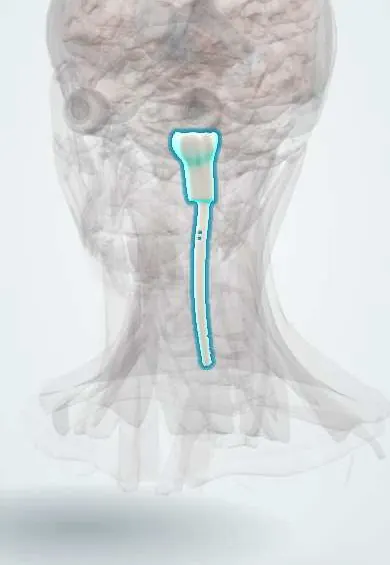
Opioids act on mu receptors in the brainstem respiratory centres (medulla and pons), blunting the response to carbon dioxide and slowing breathing until it stops. Hypoxia then causes brain injury, arrhythmia and cardiac arrest. Mu stimulation also causes miosis via parasympathetic outflow and sedation; non-cardiogenic pulmonary oedema can occur.
Classification
- By agent: short-acting (heroin, morphine), potent synthetic (fentanyl analogues) and long-acting (methadone, extended-release products)
- By intent: unintentional or intentional
Symptoms and signs
- Pinpoint pupils
- Decreased consciousness or unresponsiveness
- Slow, shallow or absent breathing, snoring or gurgling
- Cyanosis (blue lips and fingertips) and cold clammy skin
- Bradycardia and hypotension
Diagnosis
- Clinical
- Clinical: the triad of coma, pinpoint pupils and respiratory depression, plus history or paraphernalia. A response to naloxone supports the diagnosis.
- Tests
- Pulse oximetry and capillary glucose immediately; blood gases, creatine kinase and kidney function, paracetamol level (combination products), ECG. Standard urine drug screens may not detect fentanyl or methadone.
- Imaging
- Chest X-ray for aspiration or pulmonary oedema; head CT if trauma or no response to treatment.
Differential diagnosis
- Benzodiazepine, alcohol or other sedative poisoning
- Clonidine or organophosphate poisoning (miosis)
- Hypoglycaemia
- Pontine haemorrhage or other stroke
- Head injury or post-ictal state
Goal of treatment
Restore oxygenation and ventilation immediately, reverse opioid effects enough to maintain breathing, and observe for recurrence and complications.
Treatment
- Acute
- Open the airway and ventilate with bag-valve-mask and oxygen; start CPR if there is no pulse.
- Medical
- Naloxone, an opioid antagonist, given by the intravenous, intramuscular or intranasal route and titrated to adequate breathing rather than full awakening, to avoid precipitating acute withdrawal; repeat doses or an infusion may be needed.
- Follow-up
- Observation after naloxone because its effect can end before the opioid's (re-sedation); continuous oximetry and respiratory rate.
- Medical
- After recovery: assessment for opioid use disorder, offer of treatment (including opioid agonist therapy) and take-home naloxone where available.
Complications
- Hypoxic brain injury and cardiac arrest
- Aspiration pneumonia
- Non-cardiogenic pulmonary oedema
- Rhabdomyolysis, compartment syndrome and kidney injury
- Acute withdrawal after naloxone (agitation, vomiting)
Prognosis
Prompt ventilation and naloxone usually lead to full recovery. Prolonged hypoxia before help arrives can cause lasting brain damage, and a non-fatal overdose signals high risk of a later fatal one.
Prevention
- Access to naloxone for people likely to witness an overdose, with training
- Treatment of opioid use disorder with opioid agonist therapy
- Careful opioid prescribing and avoiding combination with sedatives
Test yourself
Think of the answer, then tap the question to see it.
What is the classic triad of opioid overdose?
Coma (decreased consciousness), pinpoint pupils and respiratory depression.
Why can a patient become sedated again after naloxone?
Naloxone often acts for a shorter time than the opioid, especially methadone or long-acting forms, so re-sedation can occur.
What is the first priority in an apnoeic patient with suspected opioid overdose?
Airway opening and ventilation with bag-valve-mask and oxygen, then naloxone.
Why is naloxone titrated to breathing rather than full wakefulness?
Large doses can precipitate acute opioid withdrawal, with agitation, vomiting and aspiration risk.
Related conditions
- Opioid use disorder, overdose and withdrawal
- Benzodiazepine overdose
- Acute alcohol (ethanol) intoxication
- Acute respiratory failure (hypoxaemic and hypercapnic)
- Aspiration pneumonia and pneumonitis
- Rhabdomyolysis
- Acute compartment syndrome
- Cardiac arrest (VF, pulseless VT, asystole, PEA)
- Hypoglycaemia (including insulin-induced)
- Organophosphate and carbamate poisoning
Educational information, not medical advice. For any symptom, see a health professional.
Sources: Opioid overdose (World Health Organization, 2026).
Spotted a mistake?We are always improving for the community. Tell us what is wrong and our team will review it.Report a mistake
Representative model, for educational purposes only.