Conditions · Obstetrics and gynecology
Obstetric fistula (vesicovaginal and rectovaginal) !
A hole between the birth canal and the bladder or rectum after a long, blocked labour, causing constant leakage of urine or stool. Surgery can repair it.
Updated 2026-11-01
Structures involved
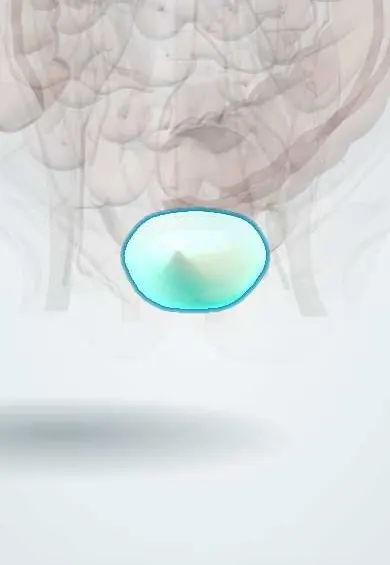
Tap one to see what it is and open it in 3D.
Why it happens
What it is
An abnormal opening between the vagina and the bladder (vesicovaginal), urethra, ureter or rectum (rectovaginal), most often caused by prolonged obstructed labour without timely caesarean section, leading to continuous incontinence of urine and/or faeces.
Who gets it
Hundreds of thousands of women live with obstetric fistula, mostly in sub-Saharan Africa and South Asia, with cases also reported in Latin America and the Caribbean. It reflects lack of access to emergency obstetric care and is rare where caesarean section is available. In Colombia, remote rural areas with limited access to care carry the greatest risk.
Causes
- Prolonged obstructed labour: pressure necrosis of the bladder and vaginal walls between the fetal head and the pelvis
- Severe perineal tears (fourth degree) that fail to heal
- Surgical injury at caesarean section or hysterectomy (iatrogenic fistula)
- Traumatic or instrumental delivery, sexual violence
- Pelvic radiation or cancer (non-obstetric fistula)
Risk factors
- No access to skilled birth attendants or emergency caesarean section
- Adolescent pregnancy and small pelvis
- Short stature and malnutrition
- Rural residence, poverty and low education
- Cephalopelvic disproportion and malpresentation
Pathophysiology
During obstructed labour, the fetal head is pressed for hours or days against the pubic bones and sacrum. The tissue trapped between them, the base of the bladder, the anterior vaginal wall and sometimes the rectum, loses its blood supply and dies. When the dead tissue sloughs days later, a hole remains. The same compression can cause stillbirth, injury of the lumbosacral plexus (foot drop) and scarring of the vagina: the "obstructed labour injury complex".
Classification
- Vesicovaginal (most common)
- Urethrovaginal and vesicouterine
- Ureterovaginal (often iatrogenic)
- Rectovaginal
- Combined vesicovaginal and rectovaginal
Symptoms and signs
- Continuous leakage of urine from the vagina (vesicovaginal)
- Passage of stool or gas through the vagina (rectovaginal)
- Perineal skin irritation, ulceration and odour
- Recurrent urinary and vaginal infections
- Foot drop after delivery (nerve injury)
- Social isolation, depression and infertility
Diagnosis
- Clinical
- History of prolonged labour with stillbirth followed by continuous leakage; speculum examination shows the opening and urine or stool in the vagina.
- Tests
- Dye test: methylene blue instilled into the bladder stains a vaginal swab (vesicovaginal fistula); if a swab is wet but not blue, consider ureterovaginal fistula. Urine culture, renal function, haemoglobin and nutritional status.
- Imaging
- Cystoscopy; CT urography or intravenous pyelography for ureteric involvement; fistulography, endoanal ultrasound or MRI for complex rectovaginal fistulas.
Differential diagnosis
- Stress or urge urinary incontinence
- Overflow incontinence
- Faecal incontinence from anal sphincter injury
- Vaginal infection with heavy discharge
Goal of treatment
Close the fistula and restore continence, treat associated injuries, and rehabilitate the woman physically, psychologically and socially.
Treatment
- Conservative
- Early fistula: continuous bladder drainage with a urinary catheter for several weeks may allow small fresh fistulas to close spontaneously.
- Surgical
- Surgical repair by a trained fistula surgeon, usually by the vaginal route, with layered tension-free closure; rectovaginal fistulas may need temporary colostomy when complex.
- Follow-up
- Nursing care after repair: catheter patency, fluid intake to keep urine dilute, perineal hygiene, infection prevention and bladder retraining.
- Rehabilitation
- Pelvic floor physiotherapy, physiotherapy for foot drop, nutritional support and social reintegration; counselling on a caesarean section for future births.
- Lifestyle
- Psychological support and peer groups to reduce stigma and depression.
Complications
- Perineal dermatitis and ulceration
- Recurrent urinary tract infections and kidney damage
- Vaginal stenosis and secondary infertility
- Foot drop
- Persistent incontinence after repair
- Divorce, stigma, poverty and depression
Prognosis
Most simple fistulas close with one experienced repair. Large, scarred or complex fistulas have lower success and some women stay incontinent despite closure. Future pregnancies should be delivered by caesarean section.
Prevention
- Delaying first pregnancy, family planning, skilled attendance at every birth, use of the partograph to detect prolonged labour, timely referral and access to caesarean section, and early bladder catheterisation after obstructed labour
Test yourself
Think of the answer, then tap the question to see it.
What is the main cause of obstetric fistula?
Prolonged obstructed labour without timely caesarean section, causing pressure necrosis.
How is a vesicovaginal fistula confirmed at the bedside?
Methylene blue dye test: dye placed in the bladder stains a vaginal swab.
Which initial management can close a small, recent vesicovaginal fistula?
Continuous bladder drainage with an indwelling catheter.
Which tool helps prevent obstetric fistula by detecting prolonged labour?
The partograph, with timely referral for caesarean section.
Related conditions
- Labour dystocia (arrest of labour, cephalopelvic disproportion)
- Obstetric perineal tears and anal sphincter injury
- Shoulder dystocia
- Fecal incontinence
- Stress urinary incontinence
- Urinary tract infection (acute cystitis)
- Major depressive disorder
- Pelvic organ prolapse
- Incontinence-associated dermatitis
- Common Fibular (Peroneal) Nerve Injury
Educational information, not medical advice. For any symptom, see a health professional.
Sources: Obstetric fistula (United Nations Population Fund (UNFPA), 2024).
Spotted a mistake?We are always improving for the community. Tell us what is wrong and our team will review it.Report a mistake
Representative model, for educational purposes only.