Conditions · Emergency medicine and toxicology
Benzodiazepine overdose !
Too many sedative pills such as diazepam cause deep sleep and poor coordination; rarely fatal alone, but with alcohol or opioids breathing can stop.
Updated 2026-11-01
Structures involved
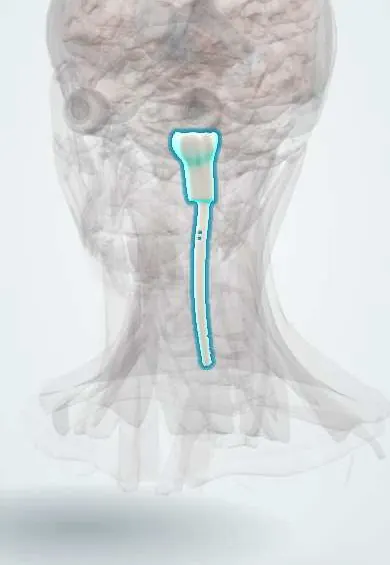
Tap one to see what it is and open it in 3D.
Why it happens
What it is
Poisoning from excessive intake of a benzodiazepine (e.g. diazepam, clonazepam, alprazolam, lorazepam, midazolam). It produces central nervous system depression with relatively preserved vital signs when the drug is taken alone; danger comes mainly from co-ingestants and airway complications.
Who gets it
Benzodiazepines are among the drugs most often involved in intentional self-poisoning in Colombia and worldwide, and clonazepam is widely prescribed. They are also used in drug-facilitated crimes, sometimes combined with scopolamine. Elderly patients are prone to accidental toxicity.
Causes
- Intentional overdose (suicide attempt), often mixed with alcohol or other drugs
- Accidental ingestion by children
- Iatrogenic toxicity in older adults or during procedural sedation
- Drug-facilitated crime («burundanga» mixtures)
Risk factors
- Depression, anxiety disorders and previous self-harm
- Concurrent use of alcohol, opioids or other sedatives
- Older age, liver disease and chronic lung disease
- Sedative use disorder
Pathophysiology
Benzodiazepines bind the GABA-A receptor and increase the frequency of chloride channel opening in response to GABA, enhancing neuronal inhibition. Because they need GABA to act, they have a ceiling effect and alone rarely cause severe respiratory depression. Combined with ethanol, barbiturates or opioids, the depression of the brainstem respiratory centres becomes additive or synergistic.
Symptoms and signs
- Drowsiness, slurred speech and ataxia
- Confusion and amnesia
- Deep sleep or coma with fairly normal vital signs
- Mild hypotension and bradycardia
- Paradoxical agitation in some children and older adults
Diagnosis
- Clinical
- Clinical diagnosis: history (pill bottles, witnesses) and the picture of sedation with relatively normal vital signs and normal or mid-size pupils. Pinpoint pupils suggest opioids; marked hypotension, arrhythmia or seizures suggest another agent. Every self-poisoning needs a search for co-ingestants and a mental-health assessment.
- Tests
- Glucose, ECG, blood gases if breathing is reduced, paracetamol (acetaminophen) and salicylate levels in all intentional overdoses, creatine kinase after long immobility. Urine screens may miss some benzodiazepines and do not change acute management.
- Imaging
- Head CT if there is trauma or focal signs; chest X-ray if aspiration is suspected.
Differential diagnosis
- Opioid overdose
- Acute alcohol intoxication
- Other sedatives (barbiturates, antipsychotics, Z-drugs)
- Hypoglycaemia
- Traumatic brain injury, stroke or CNS infection
Goal of treatment
Keep the airway open and breathing adequate until the drug wears off, and identify co-ingestants and suicide risk.
Treatment
- Acute
- Airway positioning, oxygen and ventilatory support; intubation if the airway cannot be protected or breathing fails.
- Conservative
- Supportive care is the mainstay: intravenous fluids for hypotension, warming, pressure-area care. Activated charcoal only if the airway is protected and another toxic co-ingestant justifies it.
- Medical
- Flumazenil, a benzodiazepine receptor antagonist, is reserved for selected cases such as reversal of procedural sedation in benzodiazepine-naive patients; it is avoided in unknown or mixed overdoses and chronic users because it can trigger seizures and withdrawal.
- Follow-up
- Nursing priorities: level of consciousness, respiratory rate, saturation, aspiration precautions, fall prevention, and suicide-risk observation until mental-health review.
- Lifestyle
- Psychiatric assessment after medical recovery for every intentional overdose; review of prescriptions and safe storage.
Complications
- Aspiration pneumonia
- Respiratory failure with co-ingested depressants
- Rhabdomyolysis and compartment syndrome from immobility
- Seizures from flumazenil or benzodiazepine withdrawal
- Falls and fractures in older adults
Prognosis
Pure benzodiazepine overdose has a good prognosis with supportive care, and most patients wake within a day. Mortality rises sharply with alcohol or opioid co-ingestion and with delayed airway care.
Prevention
- Prescribe the lowest effective amount for the shortest time and avoid combining with opioids
- Store medicines locked and out of reach of children
- Screen for suicide risk when prescribing to people with depression
Test yourself
Think of the answer, then tap the question to see it.
Why do benzodiazepines alone rarely cause fatal respiratory depression?
They increase the frequency of GABA-A chloride channel opening only in the presence of GABA, giving a ceiling effect; danger rises with alcohol or opioids.
What is the antidote for benzodiazepines, and why is it used with caution?
Flumazenil; it can precipitate seizures and withdrawal in chronic users and in mixed overdoses such as with tricyclic antidepressants.
Which two blood levels should be checked in every intentional overdose?
Paracetamol (acetaminophen) and salicylate levels, because these co-ingestions are common and initially silent but treatable.
Which pupil finding points to opioids rather than benzodiazepines in a sedated patient?
Pinpoint (miotic) pupils with marked respiratory depression suggest opioids; benzodiazepines usually leave pupils normal or mid-size.
Related conditions
- Opioid overdose
- Acute alcohol (ethanol) intoxication
- Sedative-hypnotic (benzodiazepine) use disorder and withdrawal
- Aspiration pneumonia and pneumonitis
- Acute respiratory failure (hypoxaemic and hypercapnic)
- Rhabdomyolysis
- Acute compartment syndrome
- Suicidal behaviour and suicide risk
- Status epilepticus
- Alcohol withdrawal and delirium tremens
- Delirium
- Generalized anxiety disorder
- Anticholinergic toxicity (incl. scopolamine «burundanga»)
Educational information, not medical advice. For any symptom, see a health professional.
Sources: Diazepam overdose: MedlinePlus Medical Encyclopedia (MedlinePlus (U.S. National Library of Medicine), 2026); Guía para el manejo de emergencias toxicológicas (Ministerio de Salud y Protección Social (Colombia) / OPS, 2017).
Spotted a mistake?We are always improving for the community. Tell us what is wrong and our team will review it.Report a mistake
Representative model, for educational purposes only.