Upper gastrointestinal bleeding !
Upper gastrointestinal bleeding is bleeding from the oesophagus, stomach or duodenum; it may show as vomited blood or black stools and can be life-threatening.
Updated 2026-10-29
Structures involved
Tap one to see what it is and open it in 3D.
In biochemistry
- Urea and blood urea nitrogen (BUN) as lab tests
- Cyclooxygenase (COX-1 and COX-2)
- H⁺/K⁺-ATPase (gastric proton pump)
In the clinical exam
In physiology
Why it happens
What it is
Bleeding from the digestive tract above the ligament of Treitz (oesophagus, stomach or duodenum). It ranges from minor to life-threatening.
Who gets it
A common medical emergency, more frequent in older adults. Peptic ulcer is the most common cause; variceal bleeding is important where chronic liver disease is common.
Causes
- Peptic ulcer disease (most common)
- Oesophageal or gastric varices from portal hypertension
- Erosive oesophagitis, gastritis or duodenitis
- Mallory–Weiss tear after forceful vomiting
- Tumours
- Vascular lesions (angiodysplasia, Dieulafoy lesion)
Risk factors
- NSAIDs, aspirin, anticoagulants and antiplatelet drugs
- Helicobacter pylori infection
- Cirrhosis and portal hypertension
- Heavy alcohol use
- Older age and serious comorbidity
Pathophysiology
Non-variceal bleeding usually comes from an ulcer eroding a submucosal or larger artery. Variceal bleeding comes from thin-walled collateral veins that open between the portal and systemic circulation when portal pressure rises. Blood loss reduces circulating volume, and digested blood raises urea.
Classification
- Variceal or non-variceal
- Forrest classification of ulcers by stigmata of recent bleeding
- Pre-endoscopy risk: Glasgow-Blatchford score; post-endoscopy: Rockall score
Symptoms and signs
- Haematemesis: vomiting fresh blood or «coffee-ground» material
- Melaena: black, tarry stools
- Haematochezia with haemodynamic instability in very brisk bleeding
- Dizziness, fainting, pallor and fatigue
- Signs of liver disease (ascites, jaundice, spider angiomas) suggest varices
Diagnosis
- Clinical
- Assessment of haemodynamic status, history (NSAIDs, anticoagulants, liver disease, alcohol) and stool colour. The Glasgow-Blatchford score identifies very low-risk patients who may be managed as outpatients.
- Tests
- Blood count (haemoglobin may be normal at first), urea and creatinine (urea rises), clotting tests, liver tests, blood group and cross-match.
- Imaging
- Upper endoscopy, usually within 24 hours and sooner in unstable or variceal bleeding, finds the source and treats it. CT angiography or angiography if endoscopy cannot locate or control the bleeding.
Differential diagnosis
- Lower gastrointestinal bleeding
- Swallowed blood from nosebleed or the mouth
- Haemoptysis (coughed-up blood)
- Black stools from iron or bismuth
Goal of treatment
Restore circulation, stop the bleeding, prevent rebleeding and treat the cause.
Treatment
- Acute
- Resuscitation with two large-bore lines and crystalloids; restrictive red cell transfusion (transfuse at a lower haemoglobin threshold) in most patients; correction of clotting problems.
- Medical
- Suspected non-variceal bleeding: intravenous proton pump inhibitors; prokinetics such as erythromycin before endoscopy may improve the view.
- Medical
- Suspected variceal bleeding: vasoactive drugs (somatostatin analogues or vasopressin analogues) and prophylactic antibiotics in cirrhosis.
- Procedure
- Endoscopic therapy: injection, thermal or clips for ulcers; band ligation for oesophageal varices.
- Procedure
- Rescue for variceal bleeding: balloon tamponade or oesophageal stent as a bridge, and TIPS (transjugular intrahepatic portosystemic shunt).
- Surgical
- Interventional radiology embolisation or surgery when endoscopy fails.
Drugs for this condition
Complications
- Hypovolaemic shock
- Rebleeding
- Aspiration pneumonia
- Myocardial ischaemia and acute kidney injury
- Hepatic encephalopathy in patients with cirrhosis
- Transfusion-related complications
Prognosis
Most non-variceal bleeding stops by itself or after endoscopy. Mortality is higher with variceal bleeding, older age, comorbidities and rebleeding.
Prevention
- Proton pump inhibitor protection for high-risk users of NSAIDs or antithrombotics
- Helicobacter pylori eradication
- In cirrhosis: non-selective beta-blockers or band ligation to prevent variceal bleeding
- Reducing alcohol use
Test yourself
Think of the answer, then tap the question to see it.
What is the most common cause of upper gastrointestinal bleeding?
Peptic ulcer disease.
What is the Glasgow-Blatchford score used for?
Pre-endoscopy risk assessment using urea, haemoglobin, blood pressure and other features; very low scores identify patients who may be managed as outpatients.
Which drug classes are started before endoscopy for suspected variceal bleeding in cirrhosis?
Vasoactive drugs (somatostatin or vasopressin analogues) and prophylactic antibiotics.
What is the endoscopic treatment of choice for bleeding oesophageal varices?
Endoscopic band ligation.
Why does blood urea rise in upper gastrointestinal bleeding?
Blood proteins are digested and absorbed in the small intestine, and reduced kidney perfusion adds to the rise.
Related conditions
- Peptic ulcer disease
- Cirrhosis
- Gastric cancer
- Helicobacter pylori gastritis
- Portal hypertension
- Oesophageal cancer
Educational information, not medical advice. For any symptom, see a health professional.
Sources: Upper Gastrointestinal Bleeding (StatPearls (NCBI Bookshelf), 2024).
Spotted a mistake?We are always improving for the community. Tell us what is wrong and our team will review it.Report a mistake
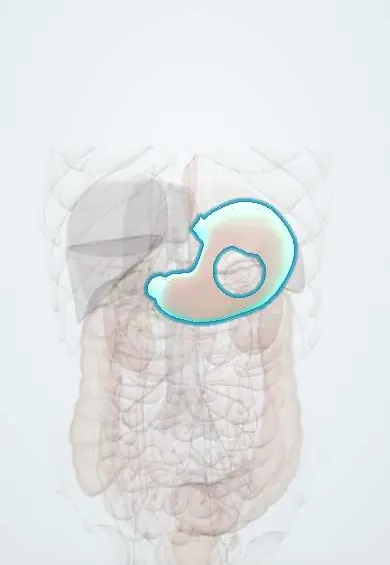
Representative model, for educational purposes only.