
Systemic inflammatory response syndrome (SIRS)
SIRS is the body-wide alarm to a major insult, infectious or not. It is easy to spot but nonspecific, so it now flags who to check, not who has sepsis.
What it is
A pattern of body-wide inflammation defined by 2 or more of 4 criteria: temperature above 38 °C or below 36 °C; heart rate above 90/min; respiratory rate above 20/min or PaCO2 below 32 mmHg; white cell count above 12,000/µL, below 4,000/µL or with more than 10% immature (band) forms. Infection and non-infectious injury can both cause it.
Who gets it
The criteria are so common that on their own they carry little weight: SIRS is present in most intensive care patients, and studies cited in a Brazilian ICU cohort found it in roughly half to two-thirds of ward patients during their stay. In Australian and New Zealand intensive care units, 1 in 8 patients with infection and new organ failure did not meet 2 SIRS criteria. Older Colombian sepsis research used the pre-2016 terms: a cohort of 2,510 adults in emergency departments in Medellín defined severe sepsis as infection plus 2 or more SIRS criteria plus organ dysfunction, so local literature from that era has to be read with the old definitions in mind.
Causes
- Infection of any site (bacterial, viral, fungal or parasitic)
- Acute pancreatitis: inflammatory mediators from the injured gland reach the circulation and drive SIRS, which comes before organ failure
- Burns: the burn itself drives a systemic response, so standard SIRS criteria are met with or without infection
- Major trauma and high-risk surgery
Risk factors
- Large tissue injury: extensive burns, multiple trauma, major operations
- Severe acute pancreatitis
- Infection with delayed source control
Pathophysiology
A microbe or damaged tissue is detected by immune cells → cytokines and acute-phase reactants are released into the blood → the hypothalamus raises the temperature set point, the heart and breathing speed up and the marrow releases (or uses up) white cells: the four SIRS criteria are simply the visible readouts of this signal → when the response stays local and proportionate it localises and clears the insult → when it is dysregulated, vessels dilate and leak, clotting is switched on in small vessels and cells use oxygen poorly → organs begin to fail (sepsis if infection is the cause, multiple organ dysfunction whatever the cause). A compensating anti-inflammatory response runs in parallel.
Classification
- SIRS criteria (1991 consensus conference): any 2 of temperature, heart rate, respiratory rate or PaCO2, and white cell count
- Infectious versus non-infectious SIRS (pancreatitis, burns, trauma, surgery)
- Retired pre-2016 ladder: SIRS plus infection was «sepsis», plus organ dysfunction «severe sepsis», plus refractory hypotension «septic shock»; Sepsis-3 dropped SIRS from the definition and called «severe sepsis» redundant
- Burns: burn units use their own burn-specific criteria (temperature, heart rate, breathing, platelets, glucose, feeding intolerance) because standard SIRS is nearly always present after a large burn
Symptoms and signs
- Fever or a low temperature
- Fast heart rate
- Fast breathing (or a low PaCO2 on a blood gas)
- High or low white cell count, or many band forms
- Signs of the trigger: abdominal pain in pancreatitis, the burn or injury, a source of infection
Diagnosis
- Clinical
- Count the four criteria from the vital signs and a blood count; 2 or more is SIRS. Then ask two separate questions. What is the trigger (infection, pancreatitis, burn, trauma, surgery)? Is there new organ dysfunction (a rise of 2 or more SOFA points)? Only infection plus organ dysfunction is sepsis. SIRS, NEWS or MEWS can be used for screening; qSOFA alone is not recommended for that.
- Tests
- Full blood count with differential for band forms; blood gas for PaCO2 and lactate; creatinine, bilirubin, platelets and PaO2/FiO2 to score organ function; cultures when infection is possible; lipase when pancreatitis is suspected.
- Imaging
- Chosen by the suspected trigger: chest X-ray for pneumonia, abdominal ultrasound or CT for pancreatitis, an abscess or another source needing drainage.
Differential diagnosis
- Sepsis (infection with organ dysfunction)
- Uncomplicated infection with fever and a fast pulse but no organ dysfunction
- Acute pancreatitis, burns, trauma or the first days after major surgery
- Pulmonary embolism
- Thyroid storm, adrenal crisis and heat stroke
- Transfusion reactions and drug reactions
- Pain, anxiety or exertion raising heart and breathing rates
SIRS is the same alarm in all of these: what tells them apart
| Picture | SIRS criteria | Organ dysfunction | Key point |
|---|---|---|---|
| Uncomplicated infection | Often 2 or more | None | SIRS alone does not mean danger; treat the infection and keep watching the organs |
| Sepsis (Sepsis-3) | Usually, but about 1 in 8 have fewer than 2 | Present: a rise of 2 or more SOFA points | Defined by organ damage, not by SIRS; in-hospital mortality above 10% |
| Septic shock | Usually | Vasopressor needed for a mean pressure of 65 mmHg or more, and lactate above 2 mmol/L despite fluids | Hospital mortality above 40% |
| Acute pancreatitis | Common in severe disease | Possible (lungs, kidneys, circulation) | No infection is needed; SIRS comes before organ failure, and its absence makes persistent organ failure less likely |
| Major burn | Almost always after a large burn | Possible | Standard SIRS cannot separate the burn from infection; burn-specific criteria are used |
| Major trauma or surgery | Common in the first days | Possible | Common without any infection; mortality of non-infectious SIRS is similar to that of infectious SIRS |
Goal of treatment
SIRS itself is not the target. Find and treat its trigger, check every organ for dysfunction, and start the sepsis pathway without delay when infection is likely.
Treatment
- Acute
- When infection is possible, screen for sepsis at once: lactate, organ function and cultures; if sepsis or septic shock is likely, give early antimicrobials, fluids for hypoperfusion and a vasopressor if hypotension persists, as the sepsis guideline sets out.
- Acute
- Treat a non-infectious trigger on its own terms: supportive care and fluid management in pancreatitis, burn resuscitation and wound care, haemorrhage control and stabilisation in trauma.
- Procedure
- Source control when an infected focus is found: drain an abscess, remove an infected device, operate on necrotic or perforated tissue.
- Follow-up
- Repeat vital signs and an early warning score, track lactate and urine output, and recount organ function, because SIRS can turn into organ failure over hours.
Complications
- Sepsis and septic shock when infection is the cause
- Multiple organ dysfunction syndrome
- Acute respiratory distress syndrome, acute kidney injury and disseminated intravascular coagulation
- Death in the most severe forms
Common traps
- SIRS plus infection is sepsis: since Sepsis-3 (2016) sepsis needs new organ dysfunction (a rise of 2 or more SOFA points), and infection with SIRS alone may be an uncomplicated infection
- No SIRS means no sepsis: about 1 in 8 patients with infection and new organ failure have fewer than 2 criteria, so look for organ dysfunction directly
- SIRS means infection: pancreatitis, burns, trauma and surgery cause the same response with no germ, so SIRS tells you the inflammation is systemic, never what caused it
- qSOFA is a better screening test than SIRS: guidelines advise against qSOFA as a single screening tool compared with SIRS, NEWS or MEWS, because it is specific but misses many patients
- Severe sepsis is the step between sepsis and septic shock: the term was dropped in 2016 as redundant, because sepsis now already means organ dysfunction
Prognosis
Set by the trigger and by organ dysfunction, not by the number of SIRS criteria. The criteria discriminate poorly: in one intensive care cohort, 2 or more criteria had a sensitivity of 76% and a specificity of 44% for hospital death, and SIRS is present in many patients who never develop infection or a bad outcome. Once sepsis is present (a rise of 2 or more SOFA points), in-hospital mortality is above 10%.
Prevention
- Hospital sepsis screening programmes for acutely ill, high-risk patients, with a protocol everyone knows
- Early source control and early care of burns, trauma and pancreatitis
Test yourself
Think of the answer, then tap the question to see it.
What are the four SIRS criteria, and how many are needed?
Temperature above 38 °C or below 36 °C; heart rate above 90/min; respiratory rate above 20/min or PaCO2 below 32 mmHg; white cells above 12,000/µL, below 4,000/µL or over 10% bands. Any 2 make SIRS.
Why did Sepsis-3 stop using SIRS to define sepsis?
SIRS is sensitive but not specific: it is met by many patients with simple infection or non-infectious injury, and it misses about 1 in 8 patients with infection and new organ failure. Sepsis is now defined by organ dysfunction (SOFA).
Which four non-infectious conditions commonly cause SIRS?
Acute pancreatitis, burns, major trauma and high-risk surgery.
Where does SIRS still have a role today?
As a quick, sensitive screening prompt (with NEWS or MEWS) and as a word for a body-wide inflammatory response; not as the definition of sepsis.
Two days after a large burn, a patient has fever, a pulse of 120 and a respiratory rate of 26, but is alert with normal lactate and urine output. Does she have sepsis?
Not on these data: SIRS is expected after a large burn. Sepsis needs infection plus organ dysfunction; burn units use burn-specific criteria and watch organ function closely.
Connections
Educational information, not medical advice. For any symptom, see a health professional.
Sources: The Third International Consensus Definitions for Sepsis and Septic Shock (Sepsis-3) (JAMA (PubMed Central), 2016); Surviving Sepsis Campaign: international guidelines for management of sepsis and septic shock 2021 (Intensive Care Medicine (PubMed Central), 2021); Validation of Sepsis-3 using survival analysis and clinical evaluation of quick SOFA, SIRS, and burn-specific SIRS for sepsis in burn patients with suspected infection (PLoS One (Europe PMC), 2023) · CC BY 4.0; Association between site of infection and in-hospital mortality in patients with sepsis admitted to emergency departments of tertiary hospitals in Medellin, Colombia (Revista Brasileira de terapia intensiva, 2019) · CC BY 4.0; Systemic inflammatory response syndrome criteria and the prediction of hospital mortality in critically ill patients: a retrospective cohort study (Revista Brasileira de terapia intensiva (Europe PMC), 2017); Rectal Indomethacin Does Not Mitigate the Systemic Inflammatory Response Syndrome in Acute Pancreatitis: A Randomized Trial (Clinical and Translational Gastroenterology (Europe PMC), 2021) · CC BY-NC-ND 4.0.
Spotted a mistake?We are always improving for the community. Tell us what is wrong and our team will review it.Report a mistake
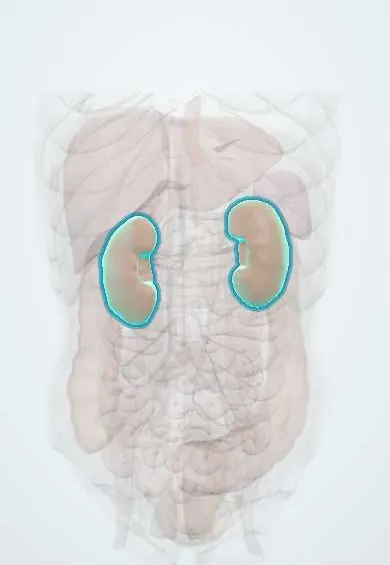
Representative model, for educational purposes only.