
Multiple organ dysfunction syndrome (MODS)
When a severe illness makes two or more organs fail at once. Each organ that fails adds to the risk of death, so prevention and early support matter.
What it is
Progressive dysfunction of two or more organ systems in an acutely ill patient, severe enough that balance cannot be kept without medical support. It is the final common pathway of sepsis, shock, major trauma, burns and pancreatitis, and the main cause of death in intensive care.
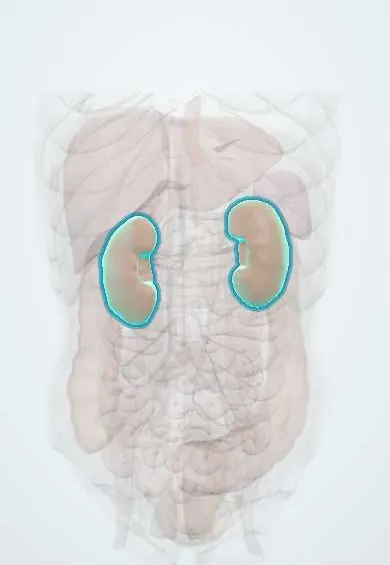
Who gets it
Seen in a large share of patients admitted to intensive care, most often after sepsis. Mortality rises steadily with the number of failing organs and with the duration of failure.
Causes
- Sepsis and septic shock (the commonest cause)
- Shock of any type: haemorrhage, cardiogenic shock, cardiac arrest
- Major trauma, burns and crush injury
- Severe acute pancreatitis
- Major surgery, massive transfusion, aspiration and severe poisoning
Risk factors
- Delay in treating shock or infection
- Uncontrolled source of infection or dead tissue
- Older age, frailty and chronic organ disease
- Immunosuppression
- Harmful supportive care: large ventilator breaths, fluid overload, nephrotoxic drugs
Pathophysiology
A severe insult starts a dysregulated host response: inflammatory mediators, activated coagulation and damaged endothelium. Capillaries leak, microclots form and blood flow becomes patchy, so cells receive less oxygen while their mitochondria also use it poorly. Organs then fail together, and each failure stresses the others (for example, injured lungs and kidneys release mediators that harm distant organs). Organs often look structurally intact, which is why survivors frequently recover function. From the start the body also mounts a compensatory anti-inflammatory response (CARS): anti-inflammatory cytokines such as interleukin-10, loss of lymphocytes by apoptosis, and monocytes that present antigen poorly (low HLA-DR). When it dominates, the patient is immunoparalysed and catches secondary, often opportunistic infections or reactivated viruses. Some who survive the first days but stay in the ICU slip into PICS (persistent inflammation, immunosuppression and catabolism syndrome): smouldering inflammation, weak immunity and ongoing muscle wasting with recurrent infections and poor healing. The nervous system joins in: the vagus nerve senses inflammation and, through acetylcholine acting on macrophages (largely via the spleen), damps cytokine release, the inflammatory reflex or cholinergic anti-inflammatory pathway.
Classification
- Primary MODS: direct injury to the organs themselves early on (lung contusion, rhabdomyolysis injuring the kidneys)
- Secondary MODS: later failure of distant organs driven by the host response, as in sepsis
- Severity is graded by an organ score such as SOFA (respiratory, coagulation, liver, cardiovascular, nervous system, kidneys)
- Immune phases: a hyperinflammatory response (SIRS) and a compensatory anti-inflammatory response (CARS) that start together; when CARS dominates the result is immunoparalysis
- Chronic critical illness: PICS (persistent inflammation, immunosuppression and catabolism syndrome) in patients who remain in the ICU for weeks
Symptoms and signs
- Breathlessness and low oxygen (lungs)
- Low blood pressure needing vasopressors (circulation)
- Falling urine output (kidneys)
- Confusion, agitation or coma (brain)
- Jaundice (liver)
- Bleeding or bruising (clotting)
Diagnosis
- Clinical
- Look at each organ every day: oxygen need, blood pressure and vasopressor need, urine output, consciousness, jaundice and bleeding. A rising organ score signals worsening.
- Tests
- Arterial blood gas with lactate, the PaO2/FiO2 ratio, creatinine and urine output, bilirubin, platelets and clotting tests, glucose and electrolytes; cultures and markers of infection to find the cause. Markers of immunoparalysis (low monocyte HLA-DR) are mostly research tools; persistent lymphopenia and repeated new infections are the bedside clues.
- Imaging
- Chest X-ray or lung ultrasound, echocardiography for heart function, and ultrasound or CT to find a source of infection or dead tissue.
Differential diagnosis
- Single organ failure with a separate cause (for example, drug-induced kidney injury)
- Thrombotic microangiopathies causing several organ failures
- Adrenal crisis or severe hypothyroidism mimicking shock
- Poisoning with multisystem effects
The six organ systems counted in the SOFA score
| System | What is measured | Bedside sign of failure |
|---|---|---|
| Respiratory | PaO2/FiO2 ratio | Rising oxygen need, need for ventilation |
| Coagulation | Platelet count | Bleeding, bruising, oozing from lines |
| Liver | Bilirubin | Jaundice |
| Cardiovascular | Mean arterial pressure and vasopressor need | Hypotension despite fluids |
| Nervous system | Glasgow Coma Scale | Confusion, agitation, coma |
| Kidneys | Creatinine and urine output | Falling urine output |
Goal of treatment
Treat the trigger, restore oxygen delivery, support each failing organ, and avoid adding harm from the treatments themselves.
Treatment
- Acute
- Find and control the source: early antibiotics in sepsis, drainage of collections, removal of dead tissue and infected devices.
- Acute
- Restore circulation with fluids guided by response, vasopressors and inotropes, and transfusion when indicated.
- Procedure
- Organ support: lung-protective mechanical ventilation, renal replacement therapy, and correction of clotting when there is bleeding.
- Follow-up
- Daily organ scoring, nutrition (enteral first), glucose control, prevention of thrombosis, pressure injury and stress ulcers, and light sedation with delirium screening.
- Rehabilitation
- Early mobilisation and follow-up after intensive care for weakness, cognitive change and mood problems.
- Follow-up
- Prolonged critical illness (PICS): adequate protein intake, early mobilisation, vigilance for secondary infections and removal of unneeded lines, and avoidance of unnecessary immunosuppressive drugs.
Complications
- Death (mortality rises with each failing organ)
- Intensive-care-acquired weakness and critical illness polyneuromyopathy
- Chronic kidney disease after acute kidney injury
- Long-term cognitive impairment, anxiety and depression (post-intensive care syndrome)
- Secondary infections from immunoparalysis: ventilator-associated pneumonia, line infections, invasive fungal infection and reactivation of latent viruses such as cytomegalovirus
- PICS (persistent inflammation, immunosuppression and catabolism syndrome): muscle wasting, recurrent infections, poor wound healing and frequent discharge to long-term care
Common traps
- Mistaken belief: failed organs in MODS are dead organs. Correction: cells are often structurally intact but shut down; function, including kidney function, frequently returns in survivors.
- Mistaken belief: a normal blood pressure means the organs are perfused. Correction: microcirculatory failure can coexist with a normal pressure; watch lactate, urine output and mental state.
- Mistaken belief: supportive treatments are neutral. Correction: large ventilator breaths, fluid overload, nephrotoxic drugs and deep sedation can each push another organ into failure.
- Mistaken belief: MODS means infection. Correction: trauma, burns, pancreatitis and cardiac arrest can trigger the same response without any infection.
- Mistaken belief: the late problem in sepsis is too much inflammation, so blocking it more helps. Correction: many late deaths occur during immune suppression (CARS, immunoparalysis) with secondary infections, and trials of broad anti-inflammatory drugs failed.
Prognosis
Depends on the number of failing organs, how long they fail and the patient's reserve. Survivors often regain organ function but may have lasting weakness and cognitive problems.
Prevention
- Early recognition and treatment of sepsis and shock
- Prompt source control
- Lung-protective ventilation, careful fluid balance and avoidance of nephrotoxic drugs
- Infection-prevention bundles for lines and ventilators
Test yourself
Think of the answer, then tap the question to see it.
Why can several organs fail at once in sepsis even when each organ was healthy?
The host response damages the endothelium and microcirculation everywhere at once, so all organs suffer patchy flow and poor oxygen use together.
What is the difference between primary and secondary MODS?
Primary MODS comes from direct early injury to the organs; secondary MODS is later failure of distant organs driven by the systemic inflammatory response.
Why do many survivors of MODS recover kidney and liver function?
The failure is largely functional shutdown rather than cell death, so when the insult is controlled the organs can resume work.
How can intensive care treatments themselves worsen MODS?
Injurious ventilation releases mediators, fluid overload congests organs, and nephrotoxic drugs and deep sedation add kidney failure and delirium.
Two weeks into septic shock, a patient who had stabilised develops candidaemia and cytomegalovirus reactivation with persistent lymphopenia. Which immune state explains this?
Immunoparalysis from a dominant compensatory anti-inflammatory response (CARS): lymphocyte loss and poorly functioning monocytes let secondary and opportunistic infections in.
In anaesthesia
- ICU severity scores: SOFA, APACHE II and what they can predict
- Ventilator-induced lung injury: volutrauma, barotrauma, atelectrauma, biotrauma and oxygen toxicity
In emergency medicine
Connections
Educational information, not medical advice. For any symptom, see a health professional.
Sources: Septic Shock (StatPearls (NCBI Bookshelf), 2023); Shock (StatPearls (NCBI Bookshelf), 2023).
Spotted a mistake?We are always improving for the community. Tell us what is wrong and our team will review it.Report a mistake
Representative model, for educational purposes only.