Conditions · Emergency medicine and toxicology
Tricyclic antidepressant overdose !
Overdose of older antidepressants such as amitriptyline. It can rapidly cause coma, seizures and dangerous heart rhythms.
Updated 2026-11-01
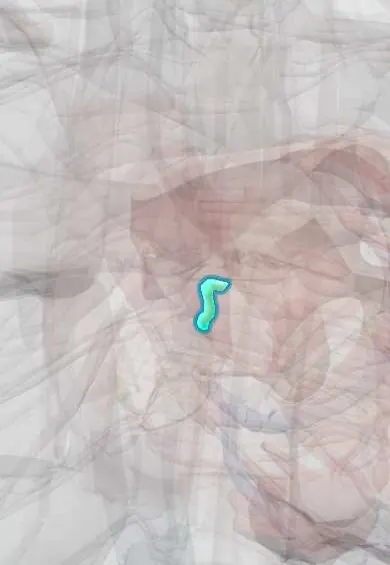
Structures involved
Tap one to see what it is and open it in 3D.
Why it happens
- The ventricular action potential
- How arrhythmias arise
- ECG basics: waves, intervals and leads
- Adrenergic and cholinergic receptors
What it is
Poisoning by tricyclic antidepressants (amitriptyline, imipramine, clomipramine, nortriptyline and others). Because they block cardiac sodium channels and several receptors, a small excess can cause seizures, arrhythmias, hypotension and death within hours.
Who gets it
Tricyclics are inexpensive and still prescribed for depression, chronic pain, migraine and sleep problems, so they remain an important cause of fatal intentional overdose, including in Latin America. People prescribed them often have depression and higher suicide risk.
Causes
- Intentional overdose in people with depression
- Accidental ingestion by children (a few tablets can be dangerous)
- Drug interactions that raise levels
Risk factors
- Depression and previous self-harm
- Prescription of large supplies of tablets
- Co-ingestion of alcohol or other sedatives
- Young children in the home
Pathophysiology
Tricyclics block fast sodium channels in the His-Purkinje system and myocardium, slowing conduction (wide QRS) and causing ventricular arrhythmias and reduced contractility. They also have anticholinergic effects, block alpha-1 receptors (hypotension), inhibit noradrenaline and serotonin reuptake, and antagonise GABA-A receptors (seizures).
Symptoms and signs
- Anticholinergic signs: dry mouth, hot dry skin, dilated pupils, urinary retention, reduced bowel sounds
- Tachycardia and hypotension
- Drowsiness, confusion, agitation progressing quickly to coma
- Seizures
- Palpitations or arrhythmia
Diagnosis
- Clinical
- History of ingestion with the anticholinergic toxidrome, sedation, seizures or arrhythmias. Deterioration can be sudden, so early assessment and continuous monitoring are essential.
- Tests
- 12-lead ECG, repeated (QRS widening, right-axis deviation of the terminal QRS, R wave in aVR, QT prolongation); blood gases, electrolytes, glucose, paracetamol and salicylate levels. Serum tricyclic levels do not guide acute care.
- Imaging
- Chest X-ray if aspiration is suspected.
Differential diagnosis
- Anticholinergic poisoning from other drugs
- Other sodium-channel-blocking poisoning (e.g. some antiarrhythmics, carbamazepine)
- Serotonin syndrome
- Cocaine toxicity
- Hyperkalaemia or Brugada pattern on the ECG
Goal of treatment
Protect the airway, reverse sodium-channel blockade, control seizures and support blood pressure until the drug is cleared.
Treatment
- Acute
- Airway protection and ventilation; activated charcoal if the airway is secure and ingestion is recent.
- Medical
- Intravenous sodium bicarbonate for QRS widening, ventricular arrhythmias or hypotension, raising serum pH and sodium to overcome sodium-channel blockade.
- Medical
- Benzodiazepines for seizures; fluids and vasopressors for hypotension. Physostigmine, flumazenil and class IA/IC antiarrhythmics are avoided; lipid emulsion may be used as rescue in refractory cases.
- Follow-up
- Continuous cardiac monitoring in a critical-care area with serial ECGs; psychiatric assessment once the patient is medically stable.
Complications
- Ventricular tachycardia or fibrillation and cardiac arrest
- Refractory hypotension
- Status epilepticus
- Aspiration pneumonia
- Hyperthermia and rhabdomyolysis
Prognosis
Most deaths occur in the first hours, often in people who seemed well on arrival. Those who survive the first day with treatment usually recover fully; a normal ECG and no symptoms after several hours of observation predict a good course.
Prevention
- Prescribing safer antidepressants where appropriate and limiting tablet supply in people at risk
- Safe storage away from children
- Monitoring and follow-up of suicide risk in depression
Test yourself
Think of the answer, then tap the question to see it.
What ECG finding is the key marker of toxicity in tricyclic overdose?
QRS widening (over about 100 ms), often with a tall terminal R wave in aVR, from sodium-channel blockade.
What is the treatment for QRS widening in tricyclic overdose?
Intravenous sodium bicarbonate, which raises serum pH and sodium to overcome the blockade.
Which receptor effects explain the clinical picture of tricyclic overdose?
Sodium-channel blockade, anticholinergic action, alpha-1 blockade, reuptake inhibition and GABA-A antagonism.
Why is flumazenil avoided in a mixed overdose with tricyclics?
It can trigger seizures by removing the protective benzodiazepine effect in a patient already prone to seizures.
Related conditions
- Major depressive disorder
- Suicidal behaviour and suicide risk
- Anticholinergic toxicity (incl. scopolamine «burundanga»)
- Serotonin syndrome
- Status epilepticus
- Ventricular tachycardia
- Long QT syndrome and torsades de pointes
- Cardiac arrest (VF, pulseless VT, asystole, PEA)
- Aspiration pneumonia and pneumonitis
- Lithium toxicity
Educational information, not medical advice. For any symptom, see a health professional.
Sources: Amitriptyline hydrochloride overdose (MedlinePlus, US National Library of Medicine, 2026).
Spotted a mistake?We are always improving for the community. Tell us what is wrong and our team will review it.Report a mistake
Representative model, for educational purposes only.