Conditions · Infectious and tropical diseases
Bacterial infectious diarrhoea and dysentery !
Bacteria such as Shigella, Salmonella, Campylobacter and E. coli inflame the bowel and cause diarrhoea, sometimes with blood. Dehydration is the main danger.
Updated 2026-11-01
Structures involved
Tap one to see what it is and open it in 3D.
- Sigmoid colon
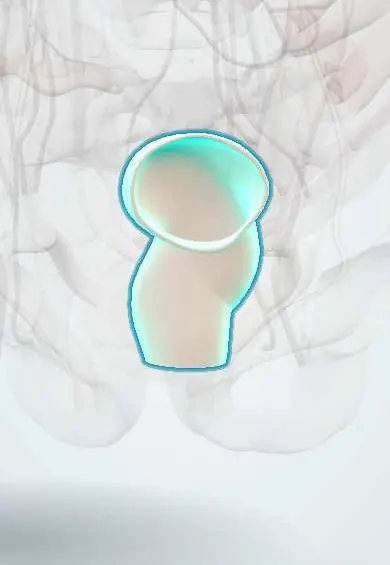
- Rectum
- Ileum
- Descending colon
- Transverse colon
- Ascending colon
- Cecum
- Mesenteric lymph nodes
- Kidneys
Microorganisms that cause it
Why it happens
- Patterns of acute inflammation: serous, fibrinous, purulent, abscess, ulcer
- Water and electrolyte absorption and how diarrhea happens
- Large intestine, appendix and anal canal
What it is
Acute diarrhoea caused by bacteria or their toxins. Dysentery is the inflammatory form, with blood and mucus in frequent small stools, fever and abdominal cramps, mostly from invasion of the colon.
Who gets it
Diarrhoeal disease is a leading cause of illness and death in children under five worldwide. In Colombia, acute diarrhoeal disease (enfermedad diarreica aguda, EDA) is under national surveillance and is most common in young children and in areas without safe water; Shigella is the classic cause of bloody diarrhoea in children. Cholera has caused epidemics in Latin America and is covered on its own page.
Causes
- Shigella species: classic bacillary dysentery, very low infectious dose, person-to-person spread
- Non-typhoidal Salmonella: poultry, eggs, unpasteurised dairy, reptiles
- Campylobacter jejuni: undercooked poultry and raw milk
- Shiga toxin-producing E. coli (STEC/EHEC, such as O157:H7): undercooked ground beef, raw milk, contaminated produce
- Enterotoxigenic E. coli (traveller's diarrhoea, watery) and Vibrio cholerae (rice-water stools)
- Clostridioides difficile after antibiotics (see its own page)
Risk factors
- Lack of safe water, sanitation and handwashing
- Young age, malnutrition and day-care attendance
- Undercooked meat, eggs or poultry and unpasteurised milk
- Travel to areas with poor sanitation
- Men who have sex with men (sexually transmitted Shigella)
- Immunosuppression, older age and reduced gastric acid
Pathophysiology
Toxin-producing bacteria act on the small bowel and cause secretory, watery diarrhoea without much inflammation. Invasive bacteria such as Shigella, Campylobacter and some Salmonella penetrate the colonic and distal ileal mucosa, causing ulcers, neutrophil infiltration, blood and mucus in the stool and tenesmus. Shiga toxin damages vascular endothelium, which can lead to haemolytic uraemic syndrome.
Classification
- Watery (secretory) diarrhoea: ETEC, Vibrio cholerae
- Inflammatory diarrhoea/dysentery: Shigella, Campylobacter, Salmonella, enteroinvasive E. coli
- Bloody diarrhoea without much fever: think STEC/EHEC
- By duration: acute (<14 days), persistent (14-30 days), chronic (>30 days)
Symptoms and signs
- Frequent loose stools, small volume with blood and mucus in dysentery
- Abdominal cramps and tenesmus (painful urge to pass stool)
- Fever, malaise and sometimes vomiting
- Signs of dehydration: thirst, dry mucosa, reduced urine, sunken eyes in children
- Febrile seizures in young children with Shigella
Diagnosis
- Clinical
- History of exposures (food, water, travel, contacts, recent antibiotics), stool pattern and a careful assessment of hydration status, classified by WHO/IMCI categories in children.
- Tests
- Stool testing (culture or multiplex PCR, with culture kept for susceptibility) in bloody diarrhoea, severe or prolonged illness, outbreaks or immunocompromise; Shiga toxin testing in bloody diarrhoea. Blood count, electrolytes, creatinine; blood smear and platelets when HUS is suspected; blood cultures if septic.
- Imaging
- Usually not needed. Abdominal X-ray or CT if toxic megacolon, perforation or another surgical cause is suspected.
Differential diagnosis
- Viral gastroenteritis
- Intestinal amoebiasis
- Clostridioides difficile infection
- Inflammatory bowel disease (ulcerative colitis, Crohn disease)
- Ischaemic colitis
- Intussusception in infants with blood in the stool
Goal of treatment
Prevent and correct dehydration, keep feeding, use antibiotics only when they help (dysentery, cholera, severe or high-risk cases) and avoid them in STEC, and detect HUS early.
Treatment
- Acute
- Oral rehydration solution is the cornerstone; intravenous fluids for severe dehydration or shock; zinc supplementation for children in low- and middle-income settings.
- Medical
- Antibiotics guided by local resistance for Shigella dysentery (e.g. azithromycin, ciprofloxacin or ceftriaxone), severe Campylobacter or invasive Salmonella; antibiotics and antimotility agents are avoided in suspected STEC because they may raise the risk of HUS.
- Follow-up
- Nursing: weight, intake and output, stool frequency, vital signs and hydration signs; electrolytes; urine output and blood count when HUS is possible; contact precautions and hand hygiene.
- Lifestyle
- Continued breastfeeding and age-appropriate feeding during the illness; handwashing and safe food preparation at home to stop spread.
Complications
- Dehydration, electrolyte imbalance and acute kidney injury
- Haemolytic uraemic syndrome (STEC, Shigella dysenteriae type 1)
- Reactive arthritis
- Guillain-Barré syndrome after Campylobacter
- Bacteraemia and focal infection (Salmonella in infants, older adults, sickle cell disease)
- Toxic megacolon, intestinal perforation and malnutrition after repeated episodes
Prognosis
Most infections resolve in days to a week with good hydration. Death is mainly from dehydration in small children and from HUS or sepsis in high-risk groups.
Prevention
- Safe water, sanitation and handwashing with soap
- Thorough cooking of meat and eggs, pasteurised milk and washed produce
- Exclusive breastfeeding in the first months of life
- Exclusion of sick children from day care and of food handlers until cleared
- Rotavirus and cholera vaccines where indicated (for other causes of diarrhoea)
Test yourself
Think of the answer, then tap the question to see it.
Which organism is the classic cause of bacillary dysentery with a very low infectious dose?
Shigella, which spreads easily person to person and invades the colonic mucosa.
Why are antibiotics usually avoided in suspected E. coli O157:H7 infection?
They may increase Shiga toxin release and the risk of haemolytic uraemic syndrome.
Which neurological complication is classically linked to Campylobacter jejuni?
Guillain-Barré syndrome.
What is the cornerstone of treatment for acute infectious diarrhoea?
Rehydration, ideally with oral rehydration solution, plus continued feeding; zinc for children in low-resource settings.
Related conditions
- Acute (viral) gastroenteritis
- Cholera
- Hemolytic uremic syndrome (HUS)
- Reactive arthritis
- Guillain-Barré syndrome
- Intestinal amoebiasis (amoebic dysentery)
- Clostridioides difficile infection
- Ulcerative colitis
- Typhoid (enteric) fever
- Dehydration in children (acute diarrhoeal disease)
- Hypovolaemic shock
Educational information, not medical advice. For any symptom, see a health professional.
Sources: Clinical Overview of Shigellosis | Shigella - Shigellosis | CDC (Centers for Disease Control and Prevention, 2024); E. coli (World Health Organization, 2024); Shigellosis: MedlinePlus Medical Encyclopedia (MedlinePlus (U.S. National Library of Medicine), 2024).
Spotted a mistake?We are always improving for the community. Tell us what is wrong and our team will review it.Report a mistake
Representative model, for educational purposes only.