
Alcoholic ketoacidosis
A dangerous acid build-up after heavy drinking stops and the person cannot eat. Sugar, fluids and thiamine fix it, not insulin.
What it is
A high-anion-gap metabolic acidosis caused by ketones in a person with heavy, long-term alcohol use, typically after a binge followed by vomiting, poor food intake and stopping drinking. Blood glucose is low, normal or only mildly raised, which separates it from diabetic ketoacidosis.
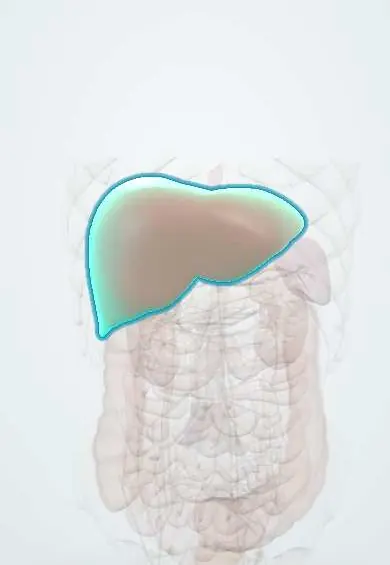
Who gets it
Seen in emergency departments in people with alcohol use disorder, often with repeated episodes. It is probably underdiagnosed because urine ketone tests can miss it and the acidosis may be masked by vomiting.
Causes
- Chronic heavy alcohol use with a recent binge
- Starvation and depleted glycogen stores
- Vomiting and volume depletion
- Stopping drinking a day or two before presentation
Risk factors
- Alcohol use disorder
- Malnutrition
- Repeated vomiting or abdominal pain from gastritis or pancreatitis
- Previous episodes
Pathophysiology
Starvation empties glycogen stores, insulin falls and glucagon, cortisol and adrenaline rise, so fat is broken down and the liver makes ketones. Ethanol metabolism adds a high NADH-to-NAD+ ratio, which blocks gluconeogenesis and shifts acetoacetate to beta-hydroxybutyrate. Volume depletion raises the stress hormones further. The result is a ketoacidosis dominated by beta-hydroxybutyrate, with low or normal glucose.
Classification
- Pure alcoholic ketoacidosis: high-anion-gap metabolic acidosis from ketones
- Mixed disorder: ketoacidosis plus metabolic alkalosis from vomiting, so pH may be near normal
- Mixed with lactic acidosis or a toxic alcohol: an extra anion gap or an osmolar gap points to another cause
Symptoms and signs
- Nausea, repeated vomiting and abdominal pain
- Fast breathing (deep breaths from acidosis)
- Fast heart rate and dizziness from volume loss
- Agitation or tremor (alcohol withdrawal may coexist)
- Usually alert, with little or no alcohol in the blood
Diagnosis
- Clinical
- Suspect it in a person with chronic alcohol use, a recent binge, vomiting and abdominal pain, and a high anion gap with low or near-normal glucose. Look actively for coexisting withdrawal, pancreatitis, bleeding, infection and toxic alcohols.
- Tests
- Blood gas, electrolytes with anion gap, glucose, serum beta-hydroxybutyrate (more reliable than urine ketones), lactate, ethanol level, serum osmolality and osmolar gap, lipase, liver tests, potassium, magnesium and phosphate.
- Imaging
- Not needed for the diagnosis; abdominal imaging if pancreatitis, perforation or bleeding is suspected.
Differential diagnosis
- Diabetic ketoacidosis (glucose clearly high)
- Starvation ketosis (mild acidosis only)
- Methanol or ethylene glycol poisoning (osmolar gap)
- Lactic acidosis from sepsis, seizures or shock
- Acute pancreatitis, salicylate poisoning
Three ketotic states compared
| Feature | Alcoholic ketoacidosis | Diabetic ketoacidosis | Starvation ketosis |
|---|---|---|---|
| Typical patient | Heavy drinker after a binge, vomiting, not eating | Type 1 diabetes (or type 2 under stress) | Fasting, low-carbohydrate diet, late pregnancy |
| Glucose | Low, normal or mildly raised | High (except euglycaemic DKA) | Low or normal |
| Insulin | Low | Absent or very low | Low |
| Acidosis | Moderate to severe; may be masked by vomiting | Moderate to severe | Mild |
| Main ketone | Beta-hydroxybutyrate (strip may read weak) | Beta-hydroxybutyrate and acetoacetate | Both, mild |
| Treatment principle | Thiamine, dextrose and saline, electrolytes | Fluids, insulin, potassium | Food or dextrose |
Goal of treatment
Stop ketone production by restoring glucose and volume, prevent Wernicke encephalopathy, correct electrolytes and treat any coexisting cause.
Treatment
- Acute
- Thiamine before or together with glucose, to prevent precipitating Wernicke encephalopathy.
- Acute
- Intravenous fluids containing dextrose with saline: glucose stimulates the patient's own insulin and stops ketogenesis, and saline restores volume.
- Medical
- Replace potassium, magnesium and phosphate, which often fall as treatment starts (refeeding risk); insulin and bicarbonate are usually not needed.
- Follow-up
- Repeat glucose, anion gap and electrolytes; monitor for and treat alcohol withdrawal; antiemetics for vomiting.
- Lifestyle
- Brief intervention and referral for treatment of alcohol use disorder, and nutritional support.
Complications
- Wernicke encephalopathy
- Hypoglycaemia
- Hypokalaemia, hypomagnesaemia and hypophosphataemia (refeeding)
- Arrhythmias
- Sudden death in severe cases
Common traps
- Mistaken belief: a negative urine ketone strip rules it out. Correction: the strip detects acetoacetate, not beta-hydroxybutyrate, the main ketone here; measure serum beta-hydroxybutyrate. The strip can turn more positive as the patient improves.
- Mistaken belief: a near-normal pH excludes a serious acidosis. Correction: vomiting adds a metabolic alkalosis that can mask it; look at the anion gap and bicarbonate.
- Mistaken belief: it is treated like diabetic ketoacidosis, with insulin. Correction: glucose is low or normal; dextrose drives the patient's own insulin, and insulin would risk hypoglycaemia.
- Mistaken belief: the patient will have a high blood alcohol. Correction: it usually follows stopping drinking, so ethanol is low or absent.
- Mistaken belief: glucose can be given before thiamine without risk. Correction: in a malnourished drinker glucose can precipitate Wernicke encephalopathy; thiamine goes first or together.
Prognosis
Good with prompt treatment; deaths are usually due to coexisting conditions or missed alternatives. Episodes tend to recur unless the alcohol use is addressed.
Prevention
- Treatment of alcohol use disorder
- Nutritional support and thiamine for people at risk
- Early medical attention for persistent vomiting in people who drink heavily
Test yourself
Think of the answer, then tap the question to see it.
Why does the urine ketone strip underestimate ketones in alcoholic ketoacidosis?
The strip detects acetoacetate, but ethanol metabolism's high NADH shifts ketones towards beta-hydroxybutyrate, which the strip does not detect.
Why is insulin usually not needed in alcoholic ketoacidosis?
Glucose is low or normal; giving dextrose stimulates the patient's own insulin, which stops ketogenesis, while added insulin risks hypoglycaemia.
How can a patient with alcoholic ketoacidosis have a near-normal pH?
Repeated vomiting causes a metabolic alkalosis that offsets the ketoacidosis; the high anion gap reveals the hidden acidosis.
Which test helps separate alcoholic ketoacidosis from methanol or ethylene glycol poisoning?
The serum osmolar gap: a large gap suggests a toxic alcohol, which needs specific treatment.
Why is thiamine given before or with glucose?
Glucose metabolism uses thiamine; in a thiamine-depleted drinker, glucose alone can precipitate Wernicke encephalopathy.
In emergency medicine
- Metabolic acidosis in the emergency department: the gaps that point to the cause
- Alcohol withdrawal and Wernicke in the emergency department
- Toxic alcohols and the two gaps
Connections
In biochemistry1
Educational information, not medical advice. For any symptom, see a health professional.
Sources: Ketoacidosis (StatPearls (NCBI Bookshelf), 2023); Ethanol Toxicity (StatPearls (NCBI Bookshelf), 2026).
Spotted a mistake?We are always improving for the community. Tell us what is wrong and our team will review it.Report a mistake
Representative model, for educational purposes only.