Conditions · Infectious and tropical diseases
Botulism !
Botulism is a rare paralysis caused by a bacterial nerve toxin, usually from badly preserved food. It starts in the eyes and throat and can stop breathing.
Updated 2026-11-01
Structures involved
Tap one to see what it is and open it in 3D.
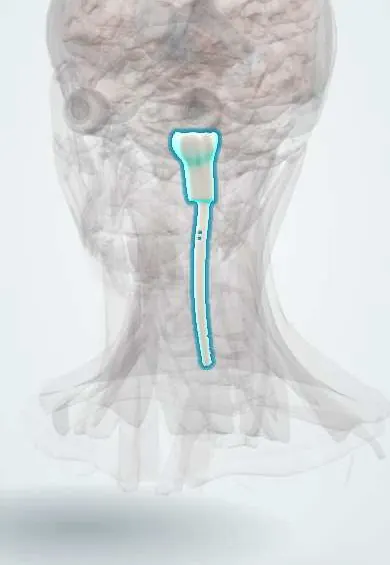
- Medulla oblongata
- Vocal folds
- Levator palpebrae
- Oculomotor nerve (III)
- Abducens nerve (VI)
- Tongue
- Glossopharyngeal nerve (IX)
- Vagus nerve
- Diaphragm
Microorganisms that cause it
In histology
Why it happens
What it is
A neuroparalytic illness caused by botulinum toxin from Clostridium botulinum and related clostridia. The toxin blocks acetylcholine release at nerve endings, producing a symmetric, descending flaccid paralysis that begins in the cranial nerves, without fever and with a clear mind.
Who gets it
Rare worldwide and notifiable. Foodborne outbreaks come mainly from home-preserved, canned or fermented foods. In Latin America, infant botulism and foodborne cases are reported sporadically; each case is treated as a public-health emergency because others may have eaten the same food.
Causes
- Ingestion of preformed toxin in improperly preserved, canned or fermented food (foodborne)
- Ingestion of spores that colonise the infant gut, classically linked to honey (infant botulism)
- Wound contamination with spores, especially in people who inject drugs (wound botulism)
- Excess therapeutic or cosmetic toxin injection (iatrogenic)
- Intestinal colonisation in adults with altered gut anatomy or flora; inhalation in bioterrorism
Risk factors
- Eating home-canned, preserved or fermented low-acid foods
- Infants under one year given honey
- Injection drug use, especially black-tar heroin
- Bowel surgery or recent antibiotic use (adult intestinal form)
Pathophysiology
Botulinum toxin is absorbed into the blood and binds to cholinergic presynaptic terminals. Its light chain cleaves SNARE proteins needed for vesicle fusion, so acetylcholine is not released at the neuromuscular junction and in autonomic synapses. Cranial-nerve muscles are affected first, then the paralysis descends to the limbs and respiratory muscles; recovery needs the growth of new nerve endings over weeks to months.
Classification
- Foodborne
- Infant (intestinal colonisation)
- Wound
- Iatrogenic
- Adult intestinal toxaemia
- Inhalational
Symptoms and signs
- Blurred or double vision, drooping eyelids and dilated, poorly reactive pupils
- Difficulty speaking (dysarthria) and swallowing (dysphagia)
- Dry mouth
- Symmetric weakness descending from the neck and arms to the legs
- Shortness of breath from respiratory muscle weakness
- Constipation and urinary retention
- In infants: constipation, weak cry, poor suck and floppiness
- No fever and normal sensation and consciousness
Diagnosis
- Clinical
- Suspected from the triad of symmetric descending flaccid paralysis with cranial-nerve onset, absence of fever and preserved mental status and sensation. A food, wound or honey history supports it. Health authorities are notified at once and antitoxin is requested without waiting for tests.
- Tests
- Detection of toxin in serum, stool, vomit, gastric contents or suspect food by reference laboratories (mouse bioassay or newer assays), and culture of stool or wound. Forced vital capacity and negative inspiratory force track respiratory function. Electromyography may show an incremental response to rapid repetitive stimulation.
- Imaging
- Brain imaging is used only to exclude stroke or other structural causes of cranial-nerve palsies.
Differential diagnosis
- Guillain-Barré syndrome (usually ascending, with sensory signs and later raised CSF protein) and its Miller Fisher variant (ophthalmoplegia, ataxia and areflexia)
- Myasthenia gravis
- Lambert-Eaton myasthenic syndrome
- Brainstem stroke
- Tick paralysis and organophosphate poisoning
- Diphtheria and poliomyelitis
Goal of treatment
Neutralise circulating toxin early, support breathing until nerve endings regenerate, and find the source to protect others.
Treatment
- Acute
- Botulinum antitoxin given as early as possible on clinical suspicion; it neutralises unbound toxin but does not reverse established paralysis. Infant botulism uses a specific human-derived immunoglobulin.
- Procedure
- Airway protection and mechanical ventilation when vital capacity falls; ventilation may be needed for weeks.
- Surgical
- In wound botulism, surgical debridement of the wound plus antibiotics; antibiotics are not used for foodborne or infant forms.
- Follow-up
- Nursing care: serial vital capacity and swallowing assessment, aspiration precautions, nutrition by tube if needed, bowel and bladder care, pressure-injury prevention and communication support.
Complications
- Respiratory failure
- Aspiration pneumonia
- Complications of prolonged ventilation and immobility (thrombosis, pressure injuries, infections)
- Long-lasting fatigue and weakness
Prognosis
With early antitoxin and intensive respiratory support, most patients survive, although recovery can take weeks to months. Deaths occur mainly from delayed diagnosis and respiratory failure.
Prevention
- Safe home canning and preservation (proper heating, acidity, salt and refrigeration)
- Not giving honey to infants under one year
- Avoiding injection of contaminated drugs and caring for wounds
- Rapid notification and recall of suspect food to stop outbreaks
Test yourself
Think of the answer, then tap the question to see it.
What is the classic pattern of paralysis in botulism?
Symmetric descending flaccid paralysis starting in the cranial nerves, without fever and with a clear sensorium.
How does botulinum toxin cause paralysis?
It cleaves SNARE proteins in presynaptic terminals, blocking acetylcholine release at the neuromuscular junction.
Which food is classically linked to infant botulism?
Honey, which can contain Clostridium botulinum spores.
When should antitoxin be given in suspected botulism?
As early as possible on clinical suspicion, without waiting for laboratory confirmation.
Which bedside measurement best tracks the need for intubation in botulism?
Serial forced vital capacity (with negative inspiratory force).
Related conditions
Educational information, not medical advice. For any symptom, see a health professional.
Sources: Botulism (World Health Organization (WHO), 2023); About Botulism | Botulism | CDC (Centers for Disease Control and Prevention (CDC), 2024).
Spotted a mistake?We are always improving for the community. Tell us what is wrong and our team will review it.Report a mistake
Representative model, for educational purposes only.