Mumps !
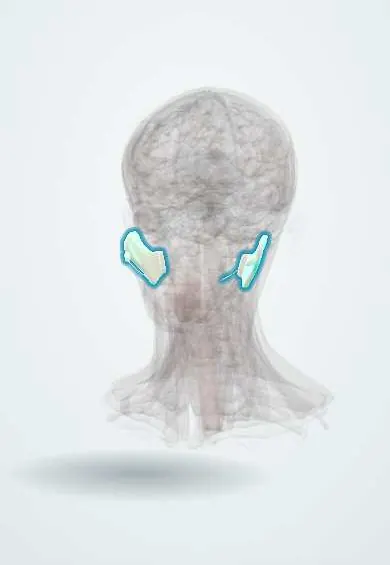
Mumps is a viral infection that causes painful swelling of the parotid salivary glands in front of the ears; vaccination has made it rare.
Updated 2026-10-29
Structures involved
Tap one to see what it is and open it in 3D.
- Parotid gland
- Submandibular gland
- Sublingual gland
- Neck lymph nodes
- Cochlea
- Vestibulocochlear nerve (VIII)
In biochemistry
Microorganisms that cause it
In histology
In physiology
What it is
An acute viral infection caused by the mumps virus (a paramyxovirus) that typically produces painful swelling of the parotid glands; vaccination has made it much less common.
Who gets it
Mostly a disease of children and young adults where vaccine coverage is low. Outbreaks still occur in schools, universities and other close communities, even among vaccinated people.
Causes
- Mumps virus (Paramyxoviridae, genus Orthorubulavirus)
- Spread by respiratory droplets, saliva and contact with contaminated objects
Risk factors
- No vaccination or incomplete two-dose schedule
- Close-contact settings (schools, dormitories)
- Waning immunity in young adults
Pathophysiology
The virus replicates in the upper respiratory tract and regional nodes, then spreads in the blood to glandular and nervous tissue. It infects the ductal cells of the parotid, causing inflammation and swelling. People are contagious from a few days before to several days after the gland swells.
Symptoms and signs
- Fever, malaise, headache and myalgia before the swelling
- Painful swelling of one or both parotid glands, pushing the earlobe up and out
- Pain on chewing or with sour foods
- Swelling of other salivary glands
- Many infections are mild or without symptoms
Diagnosis
- Clinical
- Usually clinical in the context of an outbreak; inspection of Stensen duct opening may show redness.
- Tests
- RT-PCR of a buccal swab is preferred; mumps IgM serology supports the diagnosis; amylase may be raised.
- Imaging
- Rarely needed; ultrasound if an abscess, stone or tumour is suspected.
Differential diagnosis
- Bacterial (suppurative) parotitis
- Other viral parotitis (EBV, influenza, HIV)
- Sialolithiasis
- Cervical lymphadenitis
- Parotid tumour
Goal of treatment
Relieve symptoms, recognise complications early and limit spread to others.
Treatment
- Conservative
- Rest, fluids, soft foods and warm or cold compresses; there is no specific antiviral.
- Medical
- Analgesics and antipyretics; supportive care for orchitis (scrotal support, cold packs).
- Follow-up
- Isolation for several days after the swelling starts, as public health guidance advises.
Drugs for this condition
Complications
- Orchitis or oophoritis
- Aseptic meningitis and, rarely, encephalitis
- Pancreatitis
- Sensorineural hearing loss, usually unilateral
- Reduced fertility after bilateral orchitis (rare)
Prognosis
Usually self-limiting within one to two weeks. Serious complications are uncommon; hearing loss may be permanent.
Prevention
- Two doses of measles-mumps-rubella (MMR) vaccine in the national schedule
- Isolation of cases and outbreak vaccination campaigns
Test yourself
Think of the answer, then tap the question to see it.
Which family does the mumps virus belong to?
Paramyxoviridae.
What is the most common complication of mumps in post-pubertal males?
Orchitis, usually unilateral.
Which test is preferred to confirm acute mumps?
RT-PCR of a buccal swab, ideally collected soon after the parotid swelling starts.
Which vaccine prevents mumps?
The measles-mumps-rubella (MMR) vaccine, given in two doses.
Related conditions
- Sialolithiasis (salivary stones)
- Parotid gland tumours
- Bacterial meningitis
- Acute pancreatitis
- Cervical lymphadenopathy
- Epididymitis
Educational information, not medical advice. For any symptom, see a health professional.
Sources: Mumps (StatPearls (NCBI Bookshelf), 2026).
Spotted a mistake?We are always improving for the community. Tell us what is wrong and our team will review it.Report a mistake
Representative model, for educational purposes only.