Conditions · Nephrology and urology
Catheter-associated urinary tract infection !
A catheter-associated urinary tract infection is a bladder or kidney infection caused by bacteria entering along an indwelling urinary catheter.
Updated 2026-11-01
Structures involved
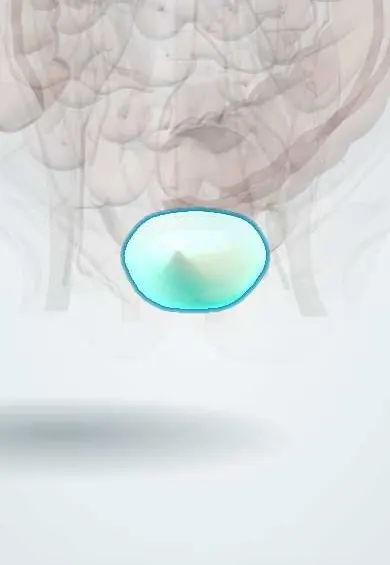
Tap one to see what it is and open it in 3D.
What it is
A symptomatic urinary tract infection in a person who has an indwelling urinary catheter or had one removed within the last 48 hours. It is one of the most frequent healthcare-associated infections and is largely preventable. It must be separated from catheter-associated asymptomatic bacteriuria, which is common and usually needs no antibiotics.
Who gets it
The risk of bacteriuria rises each day a catheter stays in place, and almost every long-term catheter is colonised. Healthcare-associated infection surveillance in Colombia (INS) and across Latin America includes it among device-associated infections in intensive care units, where multidrug-resistant gram-negative bacteria are a growing concern.
Causes
- Escherichia coli and other Enterobacterales (Klebsiella, Proteus)
- Pseudomonas aeruginosa and other non-fermenting gram-negative bacilli
- Enterococcus species
- Candida species, especially after antibiotics
- Bacteria form a biofilm on the catheter that protects them from antibiotics and host defences
Risk factors
- Long duration of catheterisation (the strongest factor)
- Unnecessary catheter use
- Breaks in the closed drainage system and non-aseptic insertion
- Bag or tubing above the level of the bladder, kinks and reflux
- Female sex, older age, diabetes and immunosuppression
- Intensive care stay and catheter placed outside the operating room
Pathophysiology
Organisms reach the bladder at insertion, along the outer surface of the catheter (extraluminal, from the perineum, more common) or inside the lumen (intraluminal, from a contaminated bag or opened junction). They attach and build a biofilm; urease-producing species such as Proteus raise urine pH and form crystalline encrustations that block the catheter. The catheter also prevents complete emptying and injures the urothelium, helping infection ascend to the kidneys and bloodstream.
Symptoms and signs
- Fever, which may be the only sign
- Suprapubic pain or flank pain and costovertebral angle tenderness
- New confusion or delirium in older adults, without another cause
- Rigors or malaise
- After catheter removal: dysuria, urgency or frequency
- Cloudy or foul-smelling urine alone does not define infection
Diagnosis
- Clinical
- Signs and symptoms compatible with infection with no other source, in a patient with a catheter (or removed within 48 hours). Confirm that the catheter is still needed.
- Tests
- Urine culture taken from the sampling port of a freshly replaced catheter (not from the bag), before antibiotics; blood cultures if febrile or septic; complete blood count, creatinine, lactate in sepsis. Do not screen asymptomatic patients and do not treat asymptomatic bacteriuria (except before urological procedures or in pregnancy).
- Imaging
- Kidney ultrasound or CT when pyelonephritis does not improve, or to look for obstruction or abscess.
Differential diagnosis
- Catheter-associated asymptomatic bacteriuria
- Other sources of fever: pneumonia, line infection, surgical site infection, Clostridioides difficile
- Prostatitis or epididymitis
- Drug fever or venous thromboembolism
Goal of treatment
Treat the infection with the narrowest effective antibiotic, remove or replace the catheter, and prevent recurrence by limiting catheter use.
Treatment
- Procedure
- Remove the catheter if no longer needed; otherwise replace a catheter that has been in place for more than about two weeks before collecting the culture and starting treatment.
- Medical
- Empirical antibiotics according to severity and local resistance patterns, adjusted to the culture result; short courses are usual when the response is quick.
- Follow-up
- Nursing care: temperature, mental status and vital signs, urine output, catheter patency and daily review of the need for the catheter.
- Conservative
- Alternatives that avoid an indwelling catheter: intermittent catheterisation, external (condom) catheters in men, timed voiding and bladder scans.
Complications
- Pyelonephritis and urosepsis
- Bacteraemia, mainly with gram-negative organisms
- Prostatitis, epididymitis and orchitis in men
- Catheter encrustation, blockage and bladder stones
- Spread of multidrug-resistant organisms in the ward
- Clostridioides difficile infection from antibiotic exposure
Prognosis
Most infections resolve quickly with catheter removal or change and appropriate antibiotics. Bacteraemia and sepsis increase mortality, especially in older and critically ill patients, and infections prolong hospital stay and cost.
Prevention
- Insert catheters only for accepted indications and remove them as soon as possible (daily review, nurse-led removal protocols)
- Hand hygiene and aseptic insertion with sterile equipment
- Closed drainage system that is never opened
- Bag below the bladder and off the floor, no kinks, empty regularly with a clean container
- Daily perineal hygiene with soap and water; routine antiseptic bladder irrigation is not recommended
Test yourself
Think of the answer, then tap the question to see it.
What is the single most effective way to prevent CAUTI?
Avoid unnecessary catheters and remove them as soon as they are no longer needed.
Where should a urine sample be taken in a catheterised patient?
From the sampling port with aseptic technique, ideally after catheter replacement, never from the drainage bag.
Should asymptomatic bacteriuria in a catheterised patient be treated?
No, except in pregnancy or before an invasive urological procedure.
Where should the drainage bag be kept?
Below the level of the bladder and off the floor, with the system kept closed and free of kinks.
Related conditions
- Urinary tract infection (acute cystitis)
- Acute pyelonephritis
- Sepsis and septic shock
- Acute urinary retention
- Neurogenic bladder
- Benign prostatic hyperplasia
- Spinal cord injury
- Prostatitis
- Pressure injury (pressure ulcer)
Educational information, not medical advice. For any symptom, see a health professional.
Sources: Catheter-Associated Urinary Tract Infections (CAUTI) Prevention Guideline | Infection Control | CDC (Centers for Disease Control and Prevention (CDC), 2024); Indwelling Urinary Catheter Culture Stewardship: Overview | UTI | CDC (Centers for Disease Control and Prevention (CDC), 2024).
Spotted a mistake?We are always improving for the community. Tell us what is wrong and our team will review it.Report a mistake
Representative model, for educational purposes only.