Chronic pancreatitis !
Chronic pancreatitis is long-lasting inflammation that scars the pancreas; it causes ongoing pain and, over time, poor digestion and diabetes.
Updated 2026-10-29
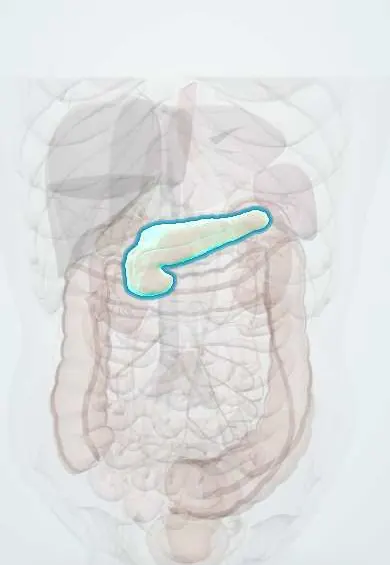
Structures involved
Tap one to see what it is and open it in 3D.
In biochemistry
In embryology
In physiology
- Fat digestion and absorption
- Exocrine pancreatic secretion
- Protein digestion and absorption
- Patterns of malabsorption
Why it happens
- Fibrosis in organs: TGF-β and the myofibroblast
- Alcohol: how it injures the liver, brain, heart and fetus
- Chronic inflammation: causes, cells and features
- Cystic fibrosis: from the CFTR channel to organ damage
- Pancreas: acini and islets
What it is
Long-term inflammation of the pancreas that slowly replaces gland tissue with scar, causing chronic pain and, over time, loss of digestive enzymes (exocrine insufficiency) and insulin (diabetes).
Who gets it
Mostly adults in middle age, more often men. Heavy alcohol use is the leading cause worldwide, including in Latin America; smoking adds independent risk. A tropical (idiopathic) form has been described in low-income tropical regions.
Causes
- Long-term heavy alcohol use (most common)
- Smoking (independent cause and accelerator)
- Genetic variants (PRSS1, SPINK1, CFTR)
- Autoimmune pancreatitis (IgG4-related and other types)
- Duct obstruction: stricture, tumour, pancreas divisum (debated)
- Recurrent acute pancreatitis, hypertriglyceridaemia, hypercalcaemia; idiopathic and tropical forms
Risk factors
- Heavy, long-term alcohol intake
- Smoking
- Repeated episodes of acute pancreatitis
- Family history of pancreatitis
- Cystic fibrosis or CFTR variants
Pathophysiology
Repeated injury activates pancreatic stellate cells, which lay down fibrous tissue. Protein plugs inside the ducts calcify into stones, the ducts dilate and narrow, and acinar and islet cells are lost. Pain comes from duct and tissue pressure and from damaged, sensitised nerves. Malabsorption appears only when most of the exocrine function is gone.
Classification
- By cause: TIGAR-O system (toxic-metabolic, idiopathic, genetic, autoimmune, recurrent acute, obstructive)
- Calcific versus obstructive
- Morphology on imaging: Cambridge grading (criteria vary)
Symptoms and signs
- Recurrent or constant epigastric pain radiating to the back, often worse after meals and eased by leaning forward
- Steatorrhoea: pale, bulky, greasy, foul-smelling stools that are hard to flush
- Weight loss and malnutrition
- Diabetes (pancreatogenic, type 3c), sometimes with tendency to hypoglycaemia
- Deficiency of fat-soluble vitamins (A, D, E, K)
- Some patients have little or no pain
Diagnosis
- Clinical
- Typical pain with risk factors such as alcohol, plus signs of malabsorption or diabetes. Diagnosis rests on imaging; serum amylase and lipase are often normal.
- Tests
- Faecal elastase (low in exocrine insufficiency). Glucose and HbA1c. Vitamin D, other fat-soluble vitamins, albumin. Lipids, calcium, IgG4 if autoimmune disease is suspected; genetic tests in young patients.
- Imaging
- CT shows calcifications, duct dilation and atrophy. MRI with MRCP (sometimes after secretin) shows duct changes. Endoscopic ultrasound detects early disease and helps sample masses. Plain X-ray may show calcifications.
Differential diagnosis
- Pancreatic cancer
- Peptic ulcer disease
- Biliary pain (gallstones)
- Chronic mesenteric ischaemia
- Other causes of malabsorption (coeliac disease)
- Functional dyspepsia
Goal of treatment
Remove the cause, control pain, replace lost enzymes and insulin, correct malnutrition and treat complications while watching for cancer.
Treatment
- Lifestyle
- Stopping alcohol and smoking slows progression and may reduce pain.
- Medical
- Stepwise pain control with analgesics; neuromodulators (gabapentinoids, tricyclics) for neuropathic pain; opioids used with caution because of dependence.
- Medical
- Pancreatic enzyme replacement therapy taken with meals, often with acid suppression (proton pump inhibitors), plus fat-soluble vitamin supplements and dietitian support.
- Medical
- Diabetes care, usually with insulin; awareness of hypoglycaemia because glucagon is also lost.
- Procedure
- Endoscopic therapy (ERCP with stone removal or stenting, sometimes after shock-wave lithotripsy) for an obstructed main duct.
- Surgical
- Surgery (duct drainage or resection procedures) for refractory pain or complications; celiac plexus block in selected cases.
- Follow-up
- Regular follow-up of nutrition, bone health and glucose.
Complications
- Pseudocysts
- Bile duct or duodenal stricture
- Splenic vein thrombosis with gastric varices
- Pseudoaneurysm and bleeding
- Pancreatic cancer (higher risk)
- Malnutrition and osteoporosis
- Chronic opioid use
Prognosis
A progressive, lifelong disease. Quality of life depends mostly on pain control, nutrition and stopping alcohol and tobacco. Continued drinking and smoking shorten survival; the risk of pancreatic cancer stays raised.
Prevention
- Limiting alcohol and not smoking
- Treating causes of recurrent acute pancreatitis (gallstones, high triglycerides)
Test yourself
Think of the answer, then tap the question to see it.
What is the most common cause of chronic pancreatitis in adults?
Long-term heavy alcohol use; smoking is an independent risk factor that adds to it.
Which imaging finding is characteristic of chronic pancreatitis on CT?
Pancreatic calcifications, together with main duct dilation and gland atrophy.
Which stool test screens for pancreatic exocrine insufficiency?
Faecal elastase; a low level supports exocrine insufficiency causing steatorrhoea.
Why is diabetes from chronic pancreatitis (type 3c) prone to hypoglycaemia?
Islet damage removes glucagon as well as insulin, so the counter-regulatory response to low glucose is weak.
Related conditions
- Acute pancreatitis
- Pancreatic cancer
- Gallstones (cholelithiasis)
- Portal hypertension
- Peptic ulcer disease
Educational information, not medical advice. For any symptom, see a health professional.
Sources: Chronic Pancreatitis (StatPearls (NCBI Bookshelf), 2025).
Spotted a mistake?We are always improving for the community. Tell us what is wrong and our team will review it.Report a mistake
Representative model, for educational purposes only.