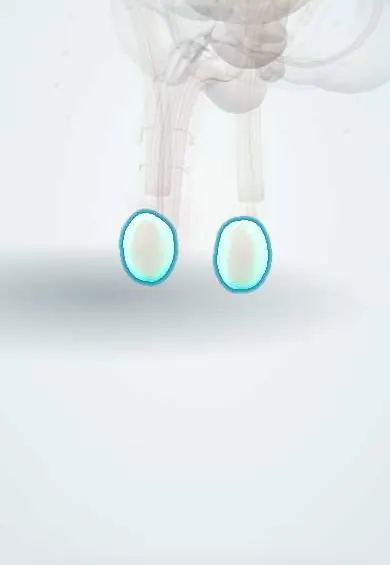
Epididymitis !
Epididymitis is inflammation of the epididymis, the coiled tube behind the testis, usually from infection; it causes pain and swelling that build up gradually.
Updated 2026-10-29
Structures involved
Tap one to see what it is and open it in 3D.
Microorganisms that cause it
In histology
In the clinical exam
Why it happens
What it is
Inflammation of the epididymis, usually from infection, causing gradual pain and swelling at the back of the testis. When the testis is also involved it is called epididymo-orchitis.
Who gets it
It is the most common cause of acute scrotal pain in adult men and also occurs in children. In sexually active young men it is often a complication of a sexually transmitted infection; tuberculous epididymitis is still seen in regions where tuberculosis is common, including Latin America.
Causes
- Sexually active men under about 35: Chlamydia trachomatis and Neisseria gonorrhoeae
- Men who practise insertive anal intercourse: enteric organisms as well as sexually transmitted ones
- Older men: enteric bacteria such as Escherichia coli, linked to outlet obstruction, catheters or urological procedures
- Children: often post-infectious or linked to urinary tract anomalies
- Less common: tuberculosis, mumps (orchitis), fungi in immunosuppression, and drugs such as amiodarone (non-infectious)
Risk factors
- Unprotected sex or multiple partners
- Recent urinary catheter, cystoscopy or prostate surgery
- Bladder outlet obstruction or urethral stricture
- Recent urinary tract infection or prostatitis
- Strenuous physical activity or heavy lifting (reflux of urine)
Pathophysiology
Organisms usually ascend from the urethra or bladder through the ejaculatory duct and ductus deferens to the epididymis, starting at the tail and spreading towards the head and the testis. Inflammation causes swelling and pain; severe cases can form an abscess or compress testicular blood flow.
Classification
- Acute (under about six weeks) or chronic (longer-lasting pain and inflammation)
- Epididymitis alone or epididymo-orchitis
- Infectious (sexually transmitted or enteric) or non-infectious
Symptoms and signs
- Scrotal pain that builds up over hours to days, usually on one side
- Swollen, tender epididymis at the back of the testis
- Redness and warmth of the scrotal skin
- Dysuria, frequency or urethral discharge
- Fever in more severe cases
- Cremasteric reflex usually preserved; elevating the testis may ease pain (Prehn sign, unreliable)
Diagnosis
- Clinical
- History and exam: gradual onset, tenderness of the epididymis, preserved cremasteric reflex and urinary or urethral symptoms. Clinical signs overlap with torsion, so doubt leads to urgent assessment.
- Tests
- Urinalysis and urine culture; nucleic acid amplification tests on first-void urine for gonorrhoea and chlamydia; Gram stain of urethral discharge. HIV and syphilis testing are offered with an STI.
- Imaging
- Colour Doppler ultrasound shows an enlarged epididymis with increased blood flow and helps exclude torsion, abscess or a tumour.
Differential diagnosis
- Testicular torsion
- Torsion of a testicular appendage
- Testicular tumour
- Incarcerated inguinal hernia
- Mumps orchitis
- Scrotal trauma or haematoma
Goal of treatment
Eradicate the infection, relieve pain, prevent complications and, when sexually transmitted, treat partners and prevent reinfection.
Treatment
- Medical
- Empirical antibiotics chosen by likely cause: a third-generation cephalosporin plus a tetracycline when a sexually transmitted infection is likely; a fluoroquinolone or other agent active against enteric organisms when they are likely.
- Conservative
- Scrotal support and elevation, rest, cold packs and anti-inflammatory analgesics.
- Lifestyle
- Sexual partners are tested and treated, and sex is avoided until treatment is complete.
- Surgical
- Drainage of an abscess or, rarely, orchiectomy for a non-viable testis.
Complications
- Epididymal or testicular abscess
- Testicular infarction and atrophy
- Chronic epididymitis with persistent pain
- Reduced fertility from scarring of the epididymis
- Spread of infection (sepsis, Fournier gangrene in rare cases)
Prognosis
Most men improve within days of starting antibiotics, although swelling can take weeks to settle. A minority develop chronic pain or fertility problems.
Prevention
- Condom use and prompt treatment of sexually transmitted infections
- Treatment of outlet obstruction and careful catheter use
Test yourself
Think of the answer, then tap the question to see it.
Which organisms usually cause epididymitis in sexually active men under 35?
Chlamydia trachomatis and Neisseria gonorrhoeae.
Which exam finding helps distinguish epididymitis from testicular torsion?
The cremasteric reflex is usually preserved in epididymitis and absent in torsion; pain also begins more gradually.
What does colour Doppler ultrasound typically show in epididymitis?
An enlarged epididymis with increased blood flow, unlike the reduced flow of torsion.
Which antiarrhythmic drug can cause non-infectious epididymitis?
Amiodarone.
Related conditions
- Testicular torsion
- Hydrocele
- Prostatitis
- Gonorrhoea
- Chlamydia infection
- Urinary tract infection (acute cystitis)
- Mumps
- Varicocele
Educational information, not medical advice. For any symptom, see a health professional.
Sources: Epididymitis (StatPearls (NCBI Bookshelf), 2023).
Spotted a mistake?We are always improving for the community. Tell us what is wrong and our team will review it.Report a mistake
Representative model, for educational purposes only.