
Late-onset hypogonadism (testosterone deficiency in older men)
In some older men testosterone falls enough to cause low sex drive, tiredness and weak muscles. Weight, sleep and illness often drive it.
What it is
Symptoms of androgen deficiency, mainly sexual, in a middle-aged or older man with low morning testosterone confirmed on repeat testing. Ageing lowers testosterone only slowly; most men who qualify also have obesity, diabetes or illness suppressing the hypothalamic–pituitary–testicular axis.
Who gets it
Testosterone declines slowly from mid-adult life, free testosterone faster than total because sex hormone-binding globulin rises with age. Many men in their seventies have a low value on paper, but when symptoms and repeated low levels are both required, only about 2% of men aged 40–79 qualify (European Male Ageing Study). Around three quarters of men who meet the criteria are overweight or obese.
Causes
- Functional (secondary) suppression of the axis by obesity, insulin resistance, type 2 diabetes and chronic inflammation, potentially reversible
- Sleep disturbance, including fragmented sleep and obstructive sleep apnoea
- Chronic illness and poor general health
- Age-related decline of testicular function, usually modest
- Organic causes that must not be missed: pituitary disease and high prolactin (secondary), testicular damage or Klinefelter syndrome (primary)
Risk factors
- Obesity, especially visceral fat
- Type 2 diabetes and metabolic syndrome
- Older age
- Poor sleep or sleep apnoea
- Multiple chronic illnesses
Pathophysiology
Excess visceral fat and insulin resistance → chronic low-grade inflammation and metabolic signals suppress GnRH and LH release → the testes are under-stimulated, so testosterone falls while LH stays low or inappropriately normal (secondary pattern) → low testosterone itself favours more visceral fat, less muscle and worse insulin sensitivity, closing a vicious circle. Testosterone secretion peaks during deep sleep, so fragmented sleep lowers it further. With age, rising sex hormone-binding globulin lowers the free fraction more than the total. When the testes themselves fail, testosterone is low and LH and FSH are high (primary pattern). A normal testosterone with a high LH (compensated hypogonadism) may be an early, transitional state. Low testosterone reduces libido, morning erections, muscle mass, bone density and energy.
Classification
- Functional hypogonadism: suppressed axis from obesity, metabolic disease, illness or poor sleep, without structural disease; potentially reversible
- Organic secondary hypogonadism: pituitary or hypothalamic disease, including prolactin excess (low or normal LH)
- Primary hypogonadism: testicular failure (high LH and FSH)
- Compensated hypogonadism: normal testosterone with raised LH
Symptoms and signs
- Low sexual desire, fewer morning erections and erectile dysfunction (the most specific symptoms)
- Fatigue and low energy
- Loss of muscle mass and strength, more abdominal fat
- Low mood, poor concentration and sleep disturbance
- Loss of body hair and smaller testes in long-standing deficiency
Diagnosis
- Clinical
- Diagnosis needs both: consistent symptoms (above all sexual ones) and low testosterone. Take a sleep, weight, alcohol, medication and illness history, look for central obesity, testicular size, gynaecomastia and body hair, and screen for depression, which mimics the symptoms. Thresholds differ between societies, so the clinical picture weighs as much as the number.
- Tests
- Total testosterone in a fasting early-morning sample, repeated to confirm (levels peak in the morning and dip after meals and illness). Free or calculated free testosterone using SHBG when total testosterone is borderline or SHBG is abnormal (obesity lowers it, age raises it). LH and FSH to separate primary from secondary; prolactin when secondary. Glucose or HbA1c, lipids, full blood count (haematocrit) and bone density as indicated.
- Imaging
- Pituitary MRI when secondary hypogonadism is marked, prolactin is high or there are mass symptoms. Bone densitometry when fragility is suspected.
Differential diagnosis
- Depression (low libido, fatigue and poor concentration with normal testosterone)
- Obstructive sleep apnoea and other causes of fatigue
- Hypothyroidism
- Erectile dysfunction from vascular disease or diabetes, with normal testosterone
- Prolactinoma or other pituitary disease
- Normal ageing with an isolated low reading on a non-fasting or afternoon sample
Low testosterone in a man over 50: which kind?
| Pattern | Testosterone and LH | Typical man | First move |
|---|---|---|---|
| Functional hypogonadism | Low testosterone; LH low or normal | Obese, diabetic, poorly sleeping, otherwise no pituitary disease | Weight loss, exercise, glycaemic control, better sleep; recheck |
| Organic secondary hypogonadism | Low testosterone; LH low or normal | Headache, visual change, high prolactin, other pituitary deficits | Prolactin, other pituitary hormones, pituitary MRI |
| Primary hypogonadism | Low testosterone; LH and FSH high | Small testes, previous mumps, chemotherapy, trauma or Klinefelter | Testosterone therapy if symptomatic and no fertility wish; karyotype if suspected |
| Depression or non-endocrine fatigue | Normal on repeat morning tests | Low mood, anhedonia, sleep problems | Treat the mood or sleep disorder; do not start testosterone |
Goal of treatment
Confirm a true deficiency, treat the reversible cause (weight, metabolic disease, sleep, illness) first, and offer testosterone only to symptomatic men with repeatedly low levels after weighing the risks.
Treatment
- Lifestyle
- Weight reduction, regular physical activity, glycaemic control and better sleep, which can restore the body's own testosterone in functional hypogonadism; this is the first step even if testosterone is later given.
- Medical
- Testosterone replacement (gel, patch, injection or other forms) for men with consistent symptoms and confirmed low levels; it improves sexual symptoms most reliably. It suppresses sperm production, so it is avoided in men who want children, and it needs an individual risk–benefit decision in men with cardiovascular disease or a history of prostate cancer.
- Medical
- Treatment of an underlying cause when found: prolactin-lowering therapy for a prolactinoma, management of other pituitary disease, and treatment of depression or sleep apnoea on their own merits.
- Follow-up
- During testosterone therapy, recheck symptoms and testosterone levels, haematocrit (it can rise) and lipids, and reassess whether therapy is still needed; stop if symptoms do not improve.
Complications
- Osteoporosis and fragility fractures
- Loss of muscle mass and frailty
- Worsening visceral obesity and insulin resistance
- Sexual dysfunction and reduced quality of life
- From testosterone therapy: raised haematocrit, suppressed fertility, testicular shrinkage
Common traps
- Low testosterone in an older man is just ageing: the age-related fall is modest, and most men who meet the criteria have obesity, diabetes or illness suppressing the axis, which is worth treating in its own right
- One low result is enough to start treatment: testosterone varies through the day and with meals and illness, so the diagnosis needs symptoms plus repeated fasting morning values
- Testosterone will help a man who wants children: external testosterone switches off LH and FSH and suppresses sperm production
- Treating sleep apnoea will restore testosterone: studies of CPAP show little effect on testosterone, so the sleep disorder is treated for its own sake and the hormones are reassessed
- Fatigue and low mood with a low-normal level mean hypogonadism: depression causes the same symptoms; the sexual symptoms are the most specific for testosterone deficiency
Prognosis
Functional hypogonadism often improves when weight, glucose control and sleep improve. Testosterone therapy reliably helps sexual symptoms in men with true deficiency, with smaller effects on energy and mood. A large randomised trial in older men with cardiovascular risk found no excess of major cardiovascular events, but long-term data in high-risk groups remain limited. Low testosterone is also a marker of poor general health and higher mortality.
Prevention
- Keeping a healthy weight and staying physically active
- Good control of diabetes and other chronic disease
- Regular, adequate sleep
- Avoiding testosterone use without a confirmed diagnosis
Test yourself
Think of the answer, then tap the question to see it.
Which symptoms are most specific for testosterone deficiency in an older man?
Sexual symptoms: low libido, fewer morning erections and erectile dysfunction. Fatigue and low mood are common but non-specific.
Why must testosterone be measured in a fasting early-morning sample and repeated?
Levels peak in the morning and fall after meals, with illness and poor sleep, so one random value often misclassifies a man as deficient.
An obese diabetic man of 58 has low testosterone with a normal LH. What is the most likely mechanism and the first treatment?
Functional secondary hypogonadism from obesity and insulin resistance; weight loss, exercise and glycaemic control come first and can restore his own testosterone.
Why is testosterone a poor choice for a man who wants to father a child?
Exogenous testosterone suppresses LH and FSH through negative feedback, so testicular sperm production falls.
What does a low testosterone with high LH and FSH indicate?
Primary hypogonadism: the testes are failing despite strong pituitary drive.
Connections
In physiology1
Educational information, not medical advice. For any symptom, see a health professional.
Sources: Late-onset and functional hypogonadism in aging men: an integrated perspective on hormonal, sleep, and metabolic dimensions (Journal of Endocrinological Investigation) (Europe PMC, 2026).
Spotted a mistake?We are always improving for the community. Tell us what is wrong and our team will review it.Report a mistake
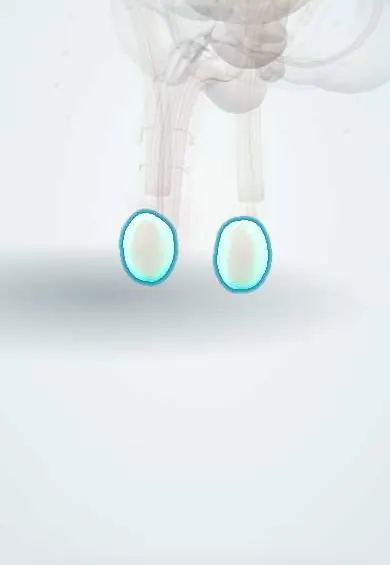
Representative model, for educational purposes only.