Acute cholangitis !
Acute cholangitis is a bacterial infection of blocked bile ducts; it causes fever, jaundice and upper right belly pain and is a medical emergency.
Updated 2026-10-29
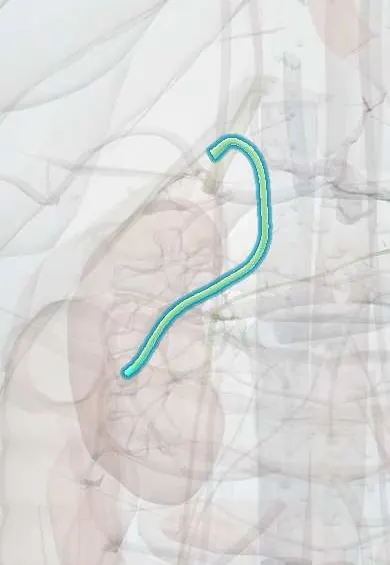
Structures involved
Tap one to see what it is and open it in 3D.
In biochemistry
Microorganisms that cause it
In the clinical exam
- Murphy sign
- Jaundice: prehepatic, hepatic and posthepatic
- Fever, infection and sepsis: the bedside signs
Why it happens
- Patterns of acute inflammation: serous, fibrinous, purulent, abscess, ulcer
- How septic shock develops
- Liver function tests: reading the pattern
- Gallbladder and bile ducts
What it is
A bacterial infection of the bile ducts caused by obstruction and stagnant bile. It can progress quickly to sepsis and is a medical emergency.
Who gets it
Most often a complication of common bile duct stones, so it follows the pattern of gallstone disease, which is common in Colombia and Latin America. Occurs mainly in middle-aged and older adults.
Causes
- Common bile duct stones (most common)
- Benign strictures, including after surgery
- Malignant obstruction: pancreatic head cancer, cholangiocarcinoma, ampullary tumours
- Blocked biliary stents or procedures such as ERCP
- Parasites (for example Ascaris) in endemic areas
Risk factors
- Gallstones and choledocholithiasis
- Older age
- Biliary stents or previous biliary surgery
- Primary sclerosing cholangitis
- Biliary or pancreatic tumours
Pathophysiology
Obstruction raises pressure in the bile ducts and allows bacteria from the gut to multiply in stagnant bile. High pressure pushes bacteria and toxins into the blood (cholangiovenous reflux), causing bacteraemia and sepsis. Common organisms are gut Gram-negative bacteria and enterococci, sometimes anaerobes.
Classification
- Tokyo guidelines severity: grade I (mild), grade II (moderate), grade III (severe, with organ dysfunction)
Symptoms and signs
- Charcot triad: fever with chills, jaundice and right upper quadrant pain
- Reynolds pentad: the triad plus hypotension and confusion, indicating severe disease
- Dark urine, pale stools and itching
- Nausea and malaise
Diagnosis
- Clinical
- Charcot triad is specific but often incomplete. The Tokyo guidelines use systemic inflammation, cholestasis and imaging evidence of obstruction to diagnose and grade severity.
- Tests
- Blood count (leucocytosis), C-reactive protein, liver tests with cholestatic pattern, kidney function, lactate and blood cultures; coagulation tests before drainage.
- Imaging
- Ultrasound shows bile duct dilatation and sometimes stones; CT helps look for tumours or abscess. MRCP or endoscopic ultrasound are used when the cause is unclear and the patient is stable.
Differential diagnosis
- Acute cholecystitis
- Liver abscess
- Acute viral hepatitis
- Acute pancreatitis
- Right lower lobe pneumonia
- Sepsis from another source
Goal of treatment
Treat sepsis and drain the bile ducts in time; then treat the cause of the obstruction.
Treatment
- Acute
- Resuscitation: intravenous fluids, oxygen, vasopressors for shock, and correction of clotting problems.
- Medical
- Early broad-spectrum antibiotics covering gut Gram-negative bacteria and enterococci, adjusted to culture results and severity.
- Procedure
- Biliary drainage by ERCP (sphincterotomy, stone removal or stent): urgent in severe disease, early in moderate disease, and once antibiotics are started in mild disease.
- Procedure
- Percutaneous transhepatic biliary drainage if ERCP fails or is not available.
- Surgical
- Cholecystectomy later if gallstones were the cause; surgery or stenting for strictures and tumours.
Complications
- Septic shock and multiple organ failure
- Liver abscesses
- Acute kidney injury
- Recurrent cholangitis
- Complications of drainage: bleeding, perforation, post-ERCP pancreatitis
Prognosis
Mild cases respond well to antibiotics and drainage. Mortality was very high before drainage became routine and remains significant in severe cases, older patients and malignant obstruction.
Prevention
- Timely treatment of common bile duct stones and cholecystectomy for symptomatic gallstones
- Planned exchange of biliary stents
Test yourself
Think of the answer, then tap the question to see it.
What is Charcot triad?
Fever with chills, jaundice and right upper quadrant pain: the classic presentation of acute cholangitis.
What does Reynolds pentad add to Charcot triad?
Hypotension (shock) and altered mental status, which signal severe, suppurative cholangitis.
What is the key treatment of acute cholangitis besides antibiotics?
Biliary drainage, usually by ERCP; urgent in severe cases, with percutaneous drainage if ERCP fails.
What is the most common cause of acute cholangitis?
A stone in the common bile duct (choledocholithiasis).
Related conditions
- Choledocholithiasis
- Gallstones (cholelithiasis)
- Acute pancreatitis
- Acute cholecystitis
- Pancreatic cancer
- Gallbladder cancer
Educational information, not medical advice. For any symptom, see a health professional.
Sources: Cholangitis (StatPearls (NCBI Bookshelf), 2023).
Spotted a mistake?We are always improving for the community. Tell us what is wrong and our team will review it.Report a mistake
Representative model, for educational purposes only.