Allergic rhinitis !
Allergic rhinitis is inflammation of the nose lining triggered by allergens such as dust or pollen, with sneezing, itching, a runny and blocked nose.
Updated 2026-10-29
Structures involved
Tap one to see what it is and open it in 3D.
In immunology
- Eosinophil
- Mast cell and basophil
- Type I hypersensitivity (immediate, IgE)
- IL-4, IL-5 and IL-13 (the Th2 cytokines)
Why it happens
- Histamine, serotonin, bradykinin and the plasma protein cascades
- Innate and adaptive immunity: overview
- The airway: from nose to bronchioles
What it is
IgE-mediated inflammation of the nasal mucosa after exposure to allergens, with sneezing, itching, watery rhinorrhoea and nasal obstruction. It may be seasonal or perennial.
Who gets it
One of the most common chronic diseases worldwide, often starting in childhood. In tropical Latin American cities, perennial forms due to house dust mites dominate. It often coexists with asthma and atopic dermatitis.
Causes
- House dust mites (Dermatophagoides, Blomia; very important in the tropics)
- Pollens (seasonal in temperate climates)
- Animal dander (cats, dogs)
- Cockroaches
- Moulds
Risk factors
- Family history of atopy
- Personal history of asthma or atopic dermatitis
- Exposure to tobacco smoke and air pollution
- Indoor humidity favouring mites and moulds
Pathophysiology
In sensitised people, allergen binds IgE on mast cells in the nasal mucosa, releasing histamine and other mediators within minutes (sneezing, itching, rhinorrhoea). A late phase hours later brings eosinophils and Th2 cytokines, causing mucosal swelling and congestion, especially of the inferior turbinates.
Classification
- Intermittent or persistent (by duration)
- Mild or moderate-severe (by impact on sleep, daily activities, school or work) per ARIA
- Seasonal or perennial (older classification)
Symptoms and signs
- Repeated sneezing
- Itchy nose, eyes and palate
- Clear, watery rhinorrhoea
- Nasal obstruction, mouth breathing and snoring
- Red, watery eyes (allergic conjunctivitis)
- Allergic shiners, transverse nasal crease («allergic salute») in children
Diagnosis
- Clinical
- Clinical diagnosis from typical symptoms, triggers and atopic history. Examination shows pale, swollen, bluish turbinates with clear secretions.
- Tests
- Skin prick tests or specific serum IgE identify the allergens when immunotherapy or specific avoidance is being considered. Asthma should be screened for.
- Imaging
- Not needed for diagnosis. CT of the sinuses only if chronic rhinosinusitis or complications are suspected.
Differential diagnosis
- Non-allergic (vasomotor) rhinitis
- Viral common cold
- Chronic rhinosinusitis with or without polyps
- Rhinitis medicamentosa (overuse of decongestant sprays)
- Adenoid hypertrophy in children
- Septal deviation
Goal of treatment
Control symptoms, improve sleep and daily function, treat linked asthma and, where suitable, change the course of the allergy.
Treatment
- Lifestyle
- Reducing exposure to identified allergens (mite-control measures, removing carpets and stuffed toys, pet management) and saline nasal irrigation.
- Medical
- Intranasal corticosteroids are the most effective single treatment for moderate-severe or persistent symptoms.
- Medical
- Second-generation oral or intranasal antihistamines for sneezing, itch and rhinorrhoea; first-generation ones are avoided for their sedation.
- Medical
- Leukotriene receptor antagonists in some patients with asthma; intranasal decongestants only for a few days, because of rebound congestion.
- Medical
- Allergen immunotherapy (subcutaneous or sublingual) in selected patients with proven sensitisation and poor control; it can change the natural history.
- Surgical
- Inferior turbinate reduction surgery for persistent obstruction that does not respond to medical treatment.
Drugs for this condition
Complications
- Poorly controlled asthma
- Sleep disturbance, snoring and daytime fatigue
- Acute and chronic rhinosinusitis
- Otitis media with effusion
- Dental and facial changes from chronic mouth breathing in children
Prognosis
Chronic but usually well controlled with treatment. Symptoms may lessen with age; immunotherapy can bring lasting benefit.
Prevention
- Avoiding tobacco smoke
- Reducing indoor dust mites and humidity
- Early treatment to protect sleep, school and work
Test yourself
Think of the answer, then tap the question to see it.
Which type of hypersensitivity reaction causes allergic rhinitis?
Type I (IgE-mediated) hypersensitivity.
What is the most effective single drug class for moderate to severe allergic rhinitis?
Intranasal corticosteroids.
Which allergen is the main cause of perennial allergic rhinitis in tropical cities?
House dust mites.
Why are intranasal decongestants limited to a few days?
Longer use causes rebound congestion (rhinitis medicamentosa).
Which lower airway disease commonly coexists with allergic rhinitis?
Asthma; both are treated as one airway, and asthma should be screened for.
Related conditions
- Asthma
- Acute rhinosinusitis
- Obstructive sleep apnoea
- Acute otitis media
- Epistaxis (nosebleed)
- Conjunctivitis
Educational information, not medical advice. For any symptom, see a health professional.
Sources: Allergic Rhinitis (StatPearls (NCBI Bookshelf), 2023).
Spotted a mistake?We are always improving for the community. Tell us what is wrong and our team will review it.Report a mistake
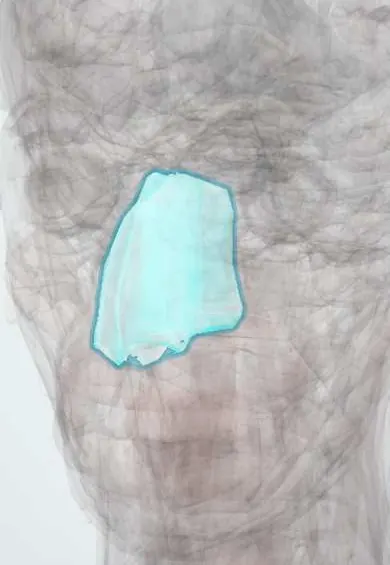
Representative model, for educational purposes only.