Conditions · Infectious and tropical diseases
Cryptosporidiosis and other intestinal coccidia (Cyclospora, Cystoisospora) !
Small parasites in water or food that cause watery diarrhea; it passes in a week or two in healthy people but can become chronic and severe in advanced HIV.
Updated 2026-11-01
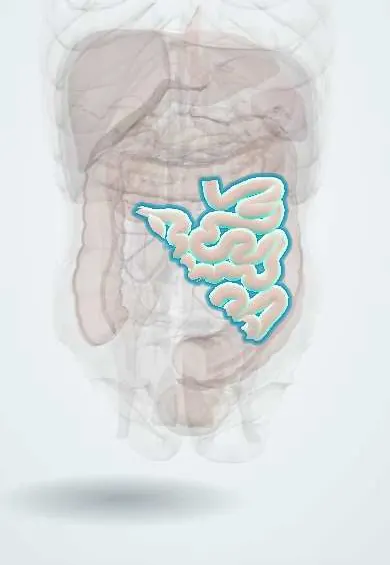
Structures involved
Tap one to see what it is and open it in 3D.
Microorganisms that cause it
Why it happens
- Water and electrolyte absorption and how diarrhea happens
- Patterns of malabsorption
- Small intestine: villi, crypts, enterocytes, Paneth cells; duodenum vs jejunum vs ileum
- Cilia, microvilli and stereocilia
What it is
Infection of the small-bowel lining by spore-forming protozoa called coccidia: Cryptosporidium (the most common), Cyclospora cayetanensis and Cystoisospora belli. All three cause watery, non-bloody diarrhea that is self-limited in healthy people and prolonged, wasting and sometimes fatal in people with severe immune suppression, classically advanced HIV.
Who gets it
Cryptosporidium is a leading cause of diarrhea in young children in low- and middle-income countries, including Latin America, and a classic cause of waterborne outbreaks, notably from swimming pools and municipal water. Cyclospora is linked to imported or local fresh produce and is endemic in parts of Latin America such as Peru and Guatemala. Cystoisospora is mainly seen in tropical regions and in people with AIDS. In Colombia these parasites are looked for in children with persistent diarrhea and in people living with HIV.
Causes
- Cryptosporidium hominis and C. parvum: oocysts are infectious as soon as they are passed, survive chlorine and need only a few to cause infection
- Cyclospora cayetanensis: oocysts must mature in the environment for days to weeks, so it spreads by contaminated produce or water, not person to person
- Cystoisospora belli: humans are the only host; oocysts also need time outside the body to mature
- Fecal-oral spread through water, food, animals (calves, for C. parvum), and person-to-person contact in nurseries and households
Risk factors
- HIV infection with a low CD4 count (risk of chronic disease rises sharply below about 100 cells/µL)
- Other immune suppression: transplant recipients, chemotherapy, congenital immune defects
- Young children, especially in day care, and malnutrition
- Swimming in recreational water, drinking untreated water and contact with farm animals
- Travel to or residence in endemic areas; eating raw berries, herbs or leafy vegetables (Cyclospora)
Pathophysiology
The parasites invade the brush border of small-bowel enterocytes, where they multiply inside a membrane-bound space at the cell surface. This causes villous blunting, crypt hyperplasia and inflammation, reducing absorption and stimulating chloride secretion, which leads to watery diarrhea and malabsorption. Effective T-cell immunity clears the infection; when CD4 cells are very low, replication continues, the whole gut and sometimes the biliary tree are involved, and diarrhea becomes chronic and cholera-like.
Classification
- Cryptosporidiosis: smallest oocysts (about 4–6 µm), the most common and the hardest to treat
- Cyclosporiasis: oocysts about 8–10 µm that autofluoresce; relapsing diarrhea with marked fatigue
- Cystoisosporiasis: large oocysts (about 25–30 µm); may cause eosinophilia, unlike most protozoa
- By host: self-limited (immunocompetent) versus chronic or fulminant (advanced HIV)
- Extra-intestinal: biliary disease (cholangitis, acalculous cholecystitis) and rarely respiratory involvement in AIDS
Symptoms and signs
- Profuse watery diarrhea without blood, often several times a day, starting about a week after exposure
- Abdominal cramps, nausea, loss of appetite and sometimes vomiting
- Low-grade fever and malaise; marked fatigue with Cyclospora
- Weight loss and malabsorption when diarrhea lasts weeks
- In advanced HIV: chronic, high-volume diarrhea with wasting; right upper quadrant pain if the bile ducts are involved
Diagnosis
- Clinical
- Suspected in watery diarrhea lasting more than a week, in outbreaks linked to water or produce, and in anyone with HIV and chronic diarrhea. Routine stool ova and parasite exams often miss coccidia, so the specific test must be requested.
- Tests
- Stool microscopy with modified acid-fast (Kinyoun) stain shows red oocysts; Cyclospora and Cystoisospora also autofluoresce under ultraviolet light. Cryptosporidium antigen tests (immunofluorescence or enzyme immunoassay) and multiplex PCR panels are more sensitive. Several stool samples may be needed. HIV testing and a CD4 count in any adult with chronic coccidial diarrhea. Electrolytes and kidney function in severe diarrhea. Small-bowel biopsy when stools are negative.
- Imaging
- Usually not needed. Ultrasound or cholangiography may show dilated, irregular bile ducts or a thick-walled gallbladder in AIDS-related biliary disease.
Differential diagnosis
- Giardiasis (greasy stools, bloating)
- Viral gastroenteritis (norovirus, rotavirus)
- Microsporidiosis and cytomegalovirus colitis in advanced HIV
- Bacterial enteritis (enterotoxigenic E. coli, Vibrio cholerae)
- Celiac disease and other causes of chronic malabsorption
Goal of treatment
Replace fluids and electrolytes, shorten symptoms with targeted drugs where they work, and, in people with HIV, restore immunity so the body can clear the parasite.
Treatment
- Acute
- Oral rehydration solution as the cornerstone; intravenous fluids and electrolyte correction for severe dehydration, with nutritional support.
- Medical
- Cryptosporidiosis: nitazoxanide shortens illness in immunocompetent patients; in people with HIV the key treatment is starting or optimising antiretroviral therapy, since immune recovery clears the infection.
- Medical
- Cyclosporiasis and cystoisosporiasis: trimethoprim-sulfamethoxazole; ciprofloxacin is a weaker alternative in sulfa allergy. People with advanced HIV may need ongoing suppressive therapy until CD4 counts recover.
- Follow-up
- Nursing priorities: fluid balance, daily weight, signs of dehydration and electrolyte disturbance, strict hand hygiene and contact precautions, and keeping patients with diarrhea out of pools for two weeks after it stops.
Complications
- Dehydration and electrolyte disturbances (hypokalemia, acidosis)
- Malnutrition and impaired growth in children
- Chronic wasting diarrhea in advanced HIV
- AIDS-related cholangiopathy and acalculous cholecystitis
- Pancreatitis (rare)
Prognosis
In healthy people the illness resolves on its own in one to three weeks, although Cyclospora can relapse for over a month without treatment. In advanced HIV, prognosis depends on immune recovery with antiretroviral therapy; without it, cryptosporidiosis can be chronic and life-threatening.
Prevention
- Handwashing with soap and water (alcohol gel does not reliably kill Cryptosporidium)
- Safe drinking water by boiling or suitable filtration, since chlorine does not kill Cryptosporidium
- Washing produce well, while knowing that washing does not fully remove Cyclospora
- Avoiding swallowing pool water and staying out of pools while ill and for two weeks after
- Early antiretroviral therapy to keep CD4 counts high
Test yourself
Think of the answer, then tap the question to see it.
Which stain identifies Cryptosporidium, Cyclospora and Cystoisospora in stool?
The modified acid-fast (Kinyoun) stain; the oocysts stain red.
Why do Cryptosporidium outbreaks occur from swimming pools?
Its oocysts resist chlorine and very few are needed to cause infection.
What is the drug of choice for Cyclospora and Cystoisospora?
Trimethoprim-sulfamethoxazole.
What is the most important treatment for cryptosporidiosis in a patient with AIDS?
Antiretroviral therapy to restore immunity, together with rehydration.
Which of the three coccidia may cause eosinophilia?
Cystoisospora belli.
Related conditions
- Giardiasis
- Acute (viral) gastroenteritis
- HIV infection and AIDS
- Cholera
- Coeliac disease
- Irritable bowel syndrome
Educational information, not medical advice. For any symptom, see a health professional.
Sources: About Crypto Infections | Cryptosporidium ("Crypto") | CDC (Centers for Disease Control and Prevention, 2024); About Cyclosporiasis | Cyclosporiasis | CDC (Centers for Disease Control and Prevention, 2024); CDC - DPDx - Cystoisosporiasis (Centers for Disease Control and Prevention, 2019).
Spotted a mistake?We are always improving for the community. Tell us what is wrong and our team will review it.Report a mistake
Representative model, for educational purposes only.