Conditions · Infectious and tropical diseases
Giardiasis !
Giardiasis is a gut infection by the parasite Giardia, spread by contaminated water, that causes greasy diarrhoea, bloating and weight loss.
Updated 2026-11-01
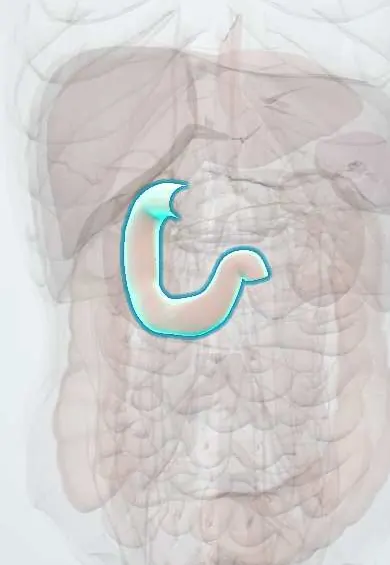
Structures involved
Tap one to see what it is and open it in 3D.
Microorganisms that cause it
Why it happens
- Patterns of malabsorption
- Carbohydrate digestion and absorption
- Fat digestion and absorption
- Small intestine: villi, crypts, enterocytes, Paneth cells; duodenum vs jejunum vs ileum
- Cilia, microvilli and stereocilia
What it is
An infection of the small intestine by the flagellated protozoan Giardia duodenalis (also called G. lamblia or G. intestinalis), causing acute or chronic non-bloody diarrhoea and malabsorption; many infections are asymptomatic.
Who gets it
One of the most common intestinal parasites in the world and in Latin America. In Colombia it is frequent in children, especially in rural areas and day-care settings without safe water; it also causes outbreaks from contaminated water supplies and illness in travellers and hikers.
Causes
- Giardia duodenalis cysts, which are resistant to chlorine and survive in cold water
- Faecal-oral spread through water, food, hands or surfaces; a few cysts are enough to infect
- Zoonotic transmission from some animals is possible
Risk factors
- Drinking untreated water (wells, streams, poorly treated supplies)
- Young children, day-care centres and their caregivers
- Poor sanitation and crowding
- Travel and outdoor activities with untreated water
- Humoral immunodeficiency (common variable immunodeficiency, X-linked agammaglobulinaemia) and IgA deficiency
- Oral-anal sexual contact
Pathophysiology
Swallowed cysts release trophozoites in the duodenum, which attach to the epithelium with a ventral sucking disc but do not invade. They shorten the microvilli, reduce brush-border enzymes such as lactase and increase epithelial permeability, causing malabsorption of fat and sugars. Trophozoites encyst further down the bowel and cysts are passed in the stool.
Classification
- Asymptomatic infection (carriage)
- Acute giardiasis
- Chronic giardiasis with malabsorption and weight loss
Symptoms and signs
- Watery, then greasy, foul-smelling, floating stools without blood
- Bloating, flatulence, abdominal cramps and sulphur-smelling belching
- Nausea and loss of appetite
- Fatigue and weight loss in chronic cases
- Poor growth in children with long-standing infection
Diagnosis
- Clinical
- Suspected with prolonged non-bloody diarrhoea, bloating and malabsorption after exposure to untreated water, day care or travel. Treatment may start on history when testing is limited.
- Tests
- Stool antigen tests (immunoassay or immunofluorescence) or molecular panels are more sensitive than microscopy; microscopy for cysts or trophozoites needs several samples because shedding is intermittent. Small-bowel biopsy or duodenal aspirate is rarely needed.
- Imaging
- Not needed for diagnosis.
Differential diagnosis
- Viral gastroenteritis
- Cryptosporidiosis and other intestinal protozoa
- Coeliac disease
- Lactose intolerance
- Irritable bowel syndrome
- Small intestinal bacterial overgrowth
Goal of treatment
Eradicate the parasite in symptomatic people, correct dehydration and nutrition, and prevent spread to household and day-care contacts.
Treatment
- Acute
- Rehydration when needed, especially in infants and pregnant women.
- Medical
- Antiparasitic drugs: nitroimidazoles (tinidazole, metronidazole) or nitazoxanide; options in pregnancy are chosen carefully. Combination therapy is used for refractory cases.
- Follow-up
- Retest stool when symptoms persist, check for reinfection or incomplete treatment, and evaluate for immunodeficiency in recurrent cases; temporary lactose intolerance may last weeks after cure.
- Lifestyle
- Handwashing, safe or boiled water, and keeping ill children out of day care and swimming pools until diarrhoea resolves.
Complications
- Dehydration
- Malabsorption of fat, fat-soluble vitamins and vitamin B12
- Acquired lactose intolerance after the infection
- Growth faltering and malnutrition in children
- Post-infectious irritable bowel syndrome and chronic fatigue
Prognosis
Usually cured with treatment; some infections resolve on their own. Reinfection is common in endemic areas, and symptoms such as lactose intolerance may persist for weeks.
Prevention
- Safe, filtered or boiled drinking water (chlorine alone does not reliably kill cysts)
- Handwashing, especially after nappy changes and before eating
- Washing raw produce
- Excluding children with diarrhoea from day care and pools
Test yourself
Think of the answer, then tap the question to see it.
Where does Giardia live and does it invade the mucosa?
In the duodenum and jejunum, attached by a ventral sucking disc; it does not invade, so stools are not bloody.
What type of stool is classic for giardiasis?
Greasy, foul-smelling, floating stools (steatorrhoea) with bloating and flatulence.
Which immune deficiency predisposes to chronic giardiasis?
Humoral deficiencies such as IgA deficiency, common variable immunodeficiency and X-linked agammaglobulinaemia.
Which drug classes treat giardiasis?
Nitroimidazoles (tinidazole, metronidazole) or nitazoxanide.
Related conditions
- Acute (viral) gastroenteritis
- Bacterial infectious diarrhoea and dysentery
- Intestinal amoebiasis (amoebic dysentery)
- Coeliac disease
- Lactose intolerance
- Irritable bowel syndrome
- Small intestinal bacterial overgrowth (SIBO)
- X-linked (Bruton) agammaglobulinaemia
- Failure to thrive (faltering growth)
- Soil-transmitted helminthiasis (ascariasis, hookworm, trichuriasis)
Educational information, not medical advice. For any symptom, see a health professional.
Sources: Giardia infection: MedlinePlus Medical Encyclopedia (MedlinePlus (U.S. National Library of Medicine), 2024); Patient Care for Giardia Infection | Giardia | CDC (Centers for Disease Control and Prevention, 2024).
Spotted a mistake?We are always improving for the community. Tell us what is wrong and our team will review it.Report a mistake
Representative model, for educational purposes only.