Alzheimer disease !
Alzheimer disease is the most common cause of dementia; it usually starts with forgetting recent events and slowly affects language and daily life.
Updated 2026-10-29
Structures involved
Tap one to see what it is and open it in 3D.
In biochemistry
- Apolipoprotein E (ApoE)
- Molecular chaperones and heat shock proteins
- Ubiquitin–proteasome system
- Protein structure and folding
- Prion protein (PrP)
In histology
In the clinical exam
In physiology
- The main neurotransmitters
- Learning and memory
- Taste and smell
- The limbic system, emotion and reward
- The cerebral cortex and language
Why it happens
- Intracellular accumulations: cholesterol, proteins, hyaline, glycogen
- How organs age: normal changes vs disease
- Endoplasmic reticulum stress and the unfolded protein response
- Atrophy
- Autophagy
- Trisomies 21, 18 and 13, and the 22q11.2 deletion
Show 3 more
What it is
A progressive neurodegenerative disease and the most common cause of dementia. It typically begins with loss of recent memory and gradually affects language, orientation, judgement and daily function.
Who gets it
Frequency rises steeply with age and it is more common in women, partly because they live longer. Latin America is ageing quickly, so dementia is a growing public health problem; a large family with an early-onset genetic form (PSEN1) has been studied in Antioquia, Colombia.
Causes
- Mostly late-onset sporadic disease from ageing plus genetic and vascular factors
- APOE ε4 allele: the main genetic risk factor for late onset
- Rare autosomal dominant early-onset forms (APP, PSEN1, PSEN2)
- Down syndrome (extra copy of the APP gene)
Risk factors
- Older age
- Family history and APOE ε4
- Hypertension, diabetes and obesity in midlife
- Low education, physical inactivity, smoking
- Hearing loss, depression and social isolation
- Traumatic brain injury
Pathophysiology
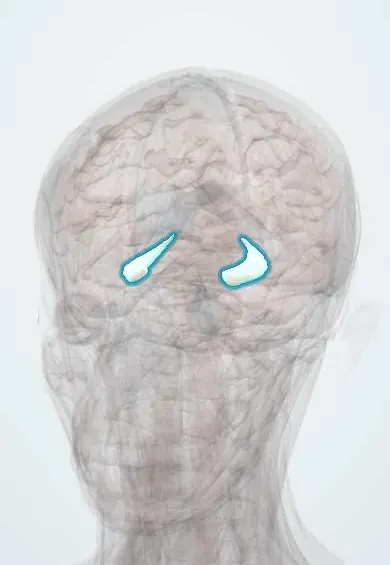
Amyloid-beta builds up outside neurones as plaques and tau protein forms neurofibrillary tangles inside them. Synapses and neurones are lost, beginning in the entorhinal cortex and hippocampus and spreading to temporal, parietal and frontal association cortex. Cholinergic transmission falls, and the brain shrinks with widened sulci and enlarged ventricles.
Classification
- Preclinical (biomarkers only)
- Mild cognitive impairment due to Alzheimer disease
- Dementia: mild, moderate and severe
- Early onset (before about 65) and late onset
Symptoms and signs
- Difficulty learning and recalling recent information (repeats questions, misplaces things)
- Word-finding difficulty
- Getting lost and disorientation in time and place
- Poor judgement, difficulty planning and managing money or medication
- Apathy, depression, irritability, delusions or agitation
- Later: loss of independence, incontinence, swallowing problems
Diagnosis
- Clinical
- History from patient and informant, cognitive screening tools (e.g. Mini-Mental State Examination, Montreal Cognitive Assessment) and neuropsychological testing; evidence of decline from a previous level that interferes with daily life.
- Tests
- Screening for reversible contributors: vitamin B12, thyroid function, blood count, electrolytes, glucose, kidney and liver function; syphilis and HIV serology where indicated. Cerebrospinal fluid or blood amyloid and tau biomarkers in specialised settings.
- Imaging
- Brain CT or MRI to exclude other causes (tumour, stroke, subdural haematoma, hydrocephalus) and show medial temporal (hippocampal) atrophy. PET imaging in selected cases.
Differential diagnosis
- Vascular dementia
- Dementia with Lewy bodies
- Frontotemporal dementia
- Depression (pseudodementia) and delirium
- Hypothyroidism or vitamin B12 deficiency
- Normal pressure hydrocephalus and chronic subdural haematoma
Goal of treatment
Maintain function, independence and quality of life for as long as possible, manage behavioural symptoms and support caregivers.
Treatment
- Medical
- Acetylcholinesterase inhibitors for mild to moderate disease; an NMDA receptor antagonist for moderate to severe disease. Benefits are modest.
- Medical
- Anti-amyloid monoclonal antibodies are approved in some countries for early disease with confirmed amyloid; their use and availability vary and they require MRI monitoring.
- Conservative
- Non-drug management of behavioural symptoms first; cognitive stimulation and structured routines.
- Lifestyle
- Control of vascular risk factors, physical and social activity, hearing correction.
- Follow-up
- Caregiver education and support, advance care planning and periodic review of safety (driving, finances, medication).
Drugs for this condition
Complications
- Falls and fractures
- Aspiration pneumonia and malnutrition
- Delirium with acute illness
- Pressure ulcers in late stages
- Caregiver burden and burnout
Prognosis
Progressive and irreversible. Survival after diagnosis is often several years to about a decade, varying with age and health; death is often from infections such as pneumonia.
Prevention
- Control of blood pressure, diabetes and weight
- Physical activity and not smoking
- Education and social and mental engagement
- Treating hearing loss and depression
Test yourself
Think of the answer, then tap the question to see it.
Which brain structure is affected early in Alzheimer disease, explaining memory loss?
The hippocampus and entorhinal cortex in the medial temporal lobe.
What are the two hallmark lesions of Alzheimer disease?
Extracellular amyloid-beta plaques and intracellular neurofibrillary tangles of tau.
What is the strongest genetic risk factor for late-onset Alzheimer disease?
The APOE ε4 allele.
Which reversible causes are screened for when evaluating dementia?
Hypothyroidism, vitamin B12 deficiency, depression, drug effects, subdural haematoma and normal pressure hydrocephalus, among others.
Which drug class is first line for mild to moderate Alzheimer dementia?
Acetylcholinesterase inhibitors.
Related conditions
- Parkinson disease
- Hydrocephalus
- Hypothyroidism
- Ischaemic stroke
- Arterial hypertension
- Type 2 diabetes mellitus
- Subdural haematoma
- Presbycusis (age-related hearing loss)
Educational information, not medical advice. For any symptom, see a health professional.
Sources: Alzheimer Disease (StatPearls (NCBI Bookshelf), 2024).
Spotted a mistake?We are always improving for the community. Tell us what is wrong and our team will review it.Report a mistake
Representative model, for educational purposes only.