Conditions · Infectious and tropical diseases
Soil-transmitted helminthiasis (ascariasis, hookworm, trichuriasis) !
Intestinal worms caught from soil contaminated with faeces. They are very common in children where sanitation is poor and cause anaemia and poor growth.
Updated 2026-11-01
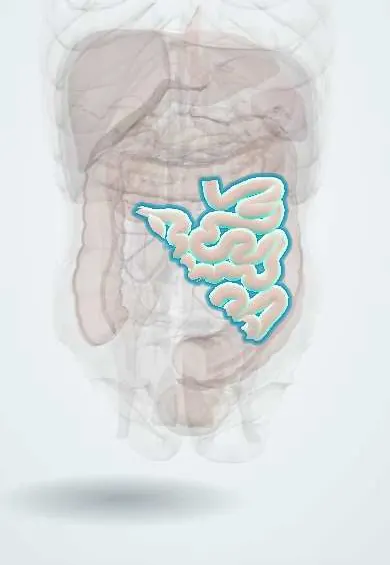
Structures involved
Tap one to see what it is and open it in 3D.
Microorganisms that cause it
Why it happens
- Anemia physiology and compensation
- Body iron balance
- Small intestine: villi, crypts, enterocytes, Paneth cells; duodenum vs jejunum vs ileum
What it is
Intestinal infections by worms whose eggs or larvae mature in contaminated soil: the roundworm Ascaris lumbricoides, the whipworm Trichuris trichiura and the hookworms Necator americanus and Ancylostoma duodenale. Pinworm (Enterobius vermicularis), spread person to person rather than through soil, is grouped here because it is studied and treated alongside them.
Who gets it
About a quarter of the world's population is infected, mostly children in tropical areas with poor sanitation. In Colombia and Latin America these worms remain frequent in rural and peri-urban communities without safe water or sewerage, and the Ministry of Health runs mass school-age deworming (preventive chemotherapy) as part of its plan to eliminate them as a public-health problem.
Causes
- Ascaris lumbricoides and Trichuris trichiura: swallowing embryonated eggs from soil on hands, food or water
- Hookworms: filariform larvae in soil penetrate the skin, usually of bare feet
- Enterobius vermicularis: eggs from the perianal skin carried to the mouth by fingers, bedding or clothing; autoinfection is common
Risk factors
- Lack of latrines or sewerage and open defecation
- Unsafe drinking water and unwashed raw vegetables
- Walking barefoot on contaminated soil
- School-age children, rural residence and agricultural work
- Crowded households and institutions (especially for pinworm)
Pathophysiology
Ascaris larvae hatch in the small intestine, cross into the blood and migrate through the lungs before being swallowed again, and adults live in the jejunum, where heavy loads form tangled masses or wander into the bile and pancreatic ducts or the appendix. Hookworms attach to the duodenal and jejunal mucosa and suck blood, causing chronic blood and protein loss. Trichuris embeds in the caecum and colon, causing inflammation, bleeding and, in heavy infection, rectal prolapse. Morbidity is proportional to worm burden.
Classification
- Ascariasis (roundworm)
- Hookworm infection (Necator americanus, Ancylostoma duodenale)
- Trichuriasis (whipworm)
- Enterobiasis (pinworm), transmitted person to person
- Intensity of infection (light, moderate, heavy) by eggs per gram of stool
Symptoms and signs
- Often no symptoms with light infection
- Abdominal pain, bloating, nausea, diarrhoea and poor appetite
- Passage of adult roundworms in stool or vomit
- Fatigue and pallor from iron-deficiency anaemia (hookworm, heavy whipworm)
- Löffler syndrome during larval migration: dry cough, wheeze and fever with eosinophilia
- Ground itch: an itchy rash where hookworm larvae entered the skin
- Pinworm: nocturnal perianal itching, poor sleep and irritability
- Stunting, poor weight gain and impaired school performance in chronically infected children
Diagnosis
- Clinical
- Suspected in children from endemic areas with abdominal symptoms, anaemia or poor growth, or when worms are seen. In endemic areas, preventive treatment is given without individual diagnosis.
- Tests
- Stool microscopy for eggs (concentration methods; Kato-Katz to count eggs per gram). Complete blood count for iron-deficiency anaemia and eosinophilia (marked during larval migration). Adhesive tape test of the perianal skin in the morning for pinworm. Strongyloides needs different methods (larval culture, serology).
- Imaging
- Plain abdominal X-ray or ultrasound may show a worm mass in intestinal obstruction. Ultrasound or MRCP can show worms in the bile duct or pancreatic duct. Chest X-ray may show migratory infiltrates in Löffler syndrome.
Differential diagnosis
- Strongyloidiasis
- Giardiasis and intestinal amoebiasis
- Other causes of iron-deficiency anaemia (dietary, menstrual or gastrointestinal blood loss)
- Asthma or eosinophilic pneumonia from other causes (during larval migration)
- Other causes of bowel obstruction or acute abdomen in children (intussusception, appendicitis)
Goal of treatment
Clear or reduce the worm burden, correct anaemia and malnutrition, manage surgical complications, and prevent reinfection through deworming programmes, sanitation and hygiene.
Treatment
- Medical
- Benzimidazoles (albendazole or mebendazole) are first-line for ascariasis, hookworm, whipworm and pinworm; pyrantel pamoate is an alternative. Whipworm responds less well to a single dose.
- Medical
- Pinworm: treat the whole household at the same time and repeat after about two weeks, with handwashing, short nails and washing of bedding.
- Medical
- Iron and nutritional support for anaemia and malnutrition; vitamin A where deficiency is common.
- Procedure
- Worm bolus obstruction is first managed conservatively (fluids, nasogastric decompression); endoscopic extraction for biliary ascariasis; surgery when obstruction does not resolve, or for volvulus, perforation or appendicitis.
- Follow-up
- Follow-up stool examination after treatment and periodic deworming in endemic areas.
Drugs for this condition
Complications
- Iron-deficiency anaemia and hypoproteinaemia
- Stunting, malnutrition and impaired cognitive development in children
- Intestinal obstruction, intussusception, volvulus and perforation from Ascaris masses
- Biliary ascariasis, cholangitis, liver abscess and pancreatitis
- Appendicitis
- Trichuris dysentery syndrome and rectal prolapse
- Vulvovaginitis in girls with pinworm
Prognosis
Treatment is simple and effective, but reinfection is frequent while sanitation remains poor. Heavy chronic infection in childhood can leave lasting effects on growth and learning; surgical complications of ascariasis carry real mortality.
Prevention
- Periodic preventive deworming of preschool and school-age children and women of reproductive age in endemic areas
- Latrines, sewerage and safe drinking water
- Handwashing with soap, washing raw vegetables and wearing shoes
- Health education in schools and communities
Test yourself
Think of the answer, then tap the question to see it.
Which soil-transmitted helminth enters through the skin of bare feet?
Hookworm (Necator americanus and Ancylostoma duodenale), whose filariform larvae penetrate the skin.
Why does hookworm infection cause anaemia?
Adult worms attach to the small-intestinal mucosa and suck blood, producing chronic blood loss and iron deficiency.
What is Löffler syndrome?
Transient cough, wheeze and lung infiltrates with eosinophilia while Ascaris larvae migrate through the lungs.
Which test diagnoses pinworm infection?
The adhesive tape test of the perianal skin taken in the morning, looking for eggs.
Which drug class is first-line for soil-transmitted helminths?
Benzimidazoles, such as albendazole and mebendazole.
Related conditions
- Iron deficiency anaemia
- Strongyloidiasis
- Giardiasis
- Intestinal amoebiasis (amoebic dysentery)
- Small bowel obstruction
- Acute appendicitis
- Acute cholangitis
- Acute pancreatitis
- Rectal prolapse
Educational information, not medical advice. For any symptom, see a health professional.
Sources: Soil-transmitted helminth infections (World Health Organization, 2023); Ascariasis (MedlinePlus Medical Encyclopedia (U.S. National Library of Medicine), 2024).
Spotted a mistake?We are always improving for the community. Tell us what is wrong and our team will review it.Report a mistake
Representative model, for educational purposes only.