Conditions · Ophthalmology and ENT
Head and neck squamous cell carcinoma (oral cavity and oropharynx, HPV) !
A cancer of the lining of the mouth and throat, linked to tobacco, alcohol and HPV. A mouth sore or neck lump that lasts over 3 weeks needs checking.
Updated 2026-11-01
Structures involved
Tap one to see what it is and open it in 3D.
- Tongue
- Palatine tonsils
- Pharynx
- Neck lymph nodes
- Soft palate
- Gums (gingiva)
- Mandible
- Pharyngeal constrictors
- Hypoglossal nerve (XII)
- Epiglottis
- Submandibular gland
In embryology
In the clinical exam
Why it happens
- Chemical carcinogens: initiation, promotion and the table to know
- Tumour suppressor genes: RB, TP53, APC, BRCA and the two-hit hypothesis
- Oncogenic viruses and H. pylori: the table to know
- Tobacco: how smoking injures tissue
- Differentiation and anaplasia: how a tumour cell looks under the microscope
- Oral cavity, tongue and teeth
What it is
A malignant tumour of the squamous lining of the upper aerodigestive tract; this page covers the oral cavity (tongue, floor of mouth, gums, lips) and the oropharynx (tonsils, base of tongue, soft palate). Tobacco- and alcohol-related tumours and HPV-related oropharyngeal tumours behave as different diseases.
Who gets it
Squamous cell carcinoma is by far the most common cancer of the mouth and throat and is more frequent in men over 50. HPV-positive oropharyngeal cancer is rising worldwide in younger non-smokers. In Latin America, tobacco and alcohol remain the main causes; many patients are diagnosed at advanced stages.
Causes
- Tobacco in any form (smoked or chewed)
- Heavy alcohol use, which multiplies the effect of tobacco
- High-risk human papillomavirus (mainly HPV-16) in oropharyngeal cancer
- Chewing betel quid (areca nut) in some regions
- Sun exposure for cancer of the lower lip
Risk factors
- Smoking and alcohol, especially combined
- Oral HPV infection; higher number of oral sex partners
- Male sex and age over 50
- Poor oral hygiene and chronic irritation, immunosuppression (including HIV)
- Premalignant lesions: leukoplakia, and especially erythroplakia
Pathophysiology
Carcinogens from tobacco and alcohol cause accumulating mutations (often of TP53) across the whole mucosa, a field effect that explains second primary tumours. In HPV-driven tumours, viral oncoproteins E6 and E7 inactivate p53 and Rb; the tumour cells overexpress p16, a marker used in diagnosis. Lesions progress from dysplasia (white leukoplakia or red erythroplakia) to invasive carcinoma, which spreads first to the cervical lymph nodes.
Classification
- By site: oral cavity (lip, oral tongue, floor of mouth, gums, hard palate) or oropharynx (tonsils, base of tongue, soft palate)
- HPV-associated (p16-positive) or HPV-negative oropharyngeal cancer
- TNM staging (AJCC/UICC), with a separate system for p16-positive oropharyngeal cancer
Symptoms and signs
- A sore, ulcer or lump in the mouth that does not heal within about 2–3 weeks
- White (leukoplakia) or red (erythroplakia) patches in the mouth
- Pain or difficulty swallowing; sore throat that does not go away
- Painless lump in the neck (often the first sign in HPV-related cancer)
- Pain referred to the ear, loose teeth, bleeding, numbness or a change in voice
Diagnosis
- Clinical
- Full examination of the mouth, palpation of the tongue and floor of mouth, inspection of the oropharynx, flexible endoscopy of the upper aerodigestive tract and palpation of the neck levels.
- Tests
- Biopsy of the lesion is mandatory; fine-needle aspiration of a neck node. p16 immunohistochemistry or HPV testing in oropharyngeal tumours.
- Imaging
- CT or MRI of the head and neck for local extent and nodes; chest CT or PET-CT to look for distant spread and a second primary tumour.
Differential diagnosis
- Aphthous ulcer, traumatic ulcer from teeth or dentures
- Oral candidiasis or lichen planus
- Tuberculosis, syphilis or deep fungal infection of the mouth
- Reactive or infectious cervical lymphadenopathy
- Lymphoma of the tonsil, salivary gland or thyroid tumours, branchial cleft cyst
Goal of treatment
Cure the cancer when possible while preserving speech, swallowing and appearance, through multidisciplinary planning by stage and site, and support nutrition, airway and quality of life.
Treatment
- Surgical
- Resection with clear margins is the main treatment for oral cavity cancer, often with neck dissection and reconstruction; transoral surgery is used in selected oropharyngeal tumours.
- Procedure
- Radiotherapy, alone in early disease or after surgery, and as the main treatment in many oropharyngeal cancers.
- Medical
- Platinum-based chemotherapy given with radiotherapy in advanced disease; anti-EGFR antibodies or immunotherapy (checkpoint inhibitors) in recurrent or metastatic disease.
- Rehabilitation
- Speech and swallowing therapy, nutritional support (sometimes a feeding tube) and dental care before radiotherapy.
- Follow-up
- Regular follow-up with examination and imaging to detect recurrence and second primary tumours; nursing focus on airway, oral care, nutrition and tobacco cessation.
Drugs for this condition
Complications
- Airway obstruction and difficulty swallowing with aspiration
- Malnutrition and weight loss
- Effects of treatment: dry mouth, mucositis, osteoradionecrosis of the mandible, fibrosis
- Recurrence and second primary tumours of the head and neck, oesophagus or lung
Prognosis
Early tumours have a good chance of cure; outcome worsens with nodal and distant spread. HPV-positive oropharyngeal cancer responds better to treatment and has clearly better survival than HPV-negative disease, especially in non-smokers.
Prevention
- Avoiding tobacco in all forms and limiting alcohol
- HPV vaccination
- Regular oral examination, especially in smokers and drinkers, and biopsy of persistent lesions
- Sun protection of the lips
Test yourself
Think of the answer, then tap the question to see it.
What are the two main risk factors for HPV-negative oral cavity squamous cell carcinoma?
Tobacco and alcohol, with a multiplied risk when combined.
Which HPV type causes most HPV-related oropharyngeal cancers?
HPV-16.
Which immunohistochemical marker is used as a surrogate for HPV in oropharyngeal cancer?
p16 overexpression.
Which oral premalignant lesion has the highest risk of malignant change?
Erythroplakia (red patch), more than leukoplakia (white patch).
What is a common first sign of HPV-positive oropharyngeal cancer?
A painless lump in the neck from a metastatic cervical lymph node, sometimes with a small primary tumour in the tonsil or base of tongue.
Related conditions
- Laryngeal cancer
- Human papillomavirus (HPV) infection
- Cervical lymphadenopathy
- Oesophageal cancer
- Lung cancer
- HIV infection and AIDS
Educational information, not medical advice. For any symptom, see a health professional.
Sources: Oral cancer: MedlinePlus Medical Encyclopedia (MedlinePlus, US National Library of Medicine, 2026); HPV and Oropharyngeal Cancer (Centers for Disease Control and Prevention (CDC), 2025).
Spotted a mistake?We are always improving for the community. Tell us what is wrong and our team will review it.Report a mistake
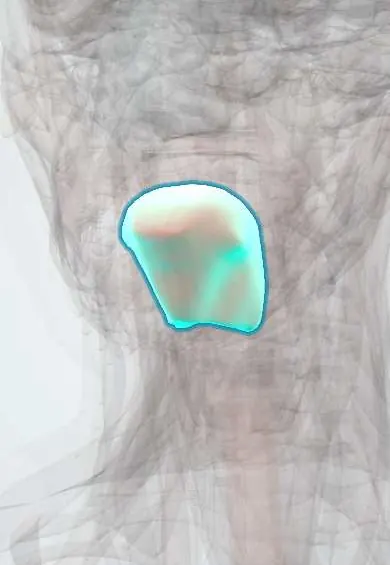
Representative model, for educational purposes only.