Conditions · Nephrology and urology
Interstitial cystitis (bladder pain syndrome) !
Long-lasting bladder pain or pressure with frequent, urgent urination when there is no infection or other clear cause.
Updated 2026-11-01
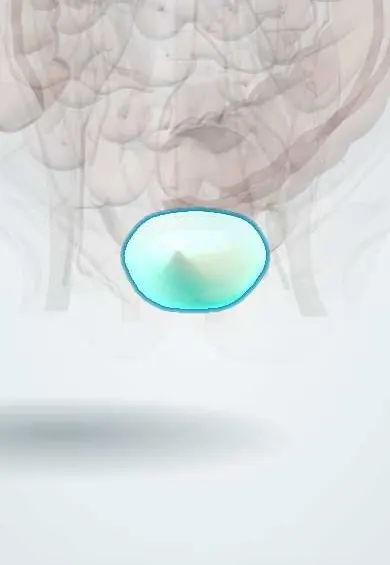
Structures involved
Tap one to see what it is and open it in 3D.
Why it happens
- Histamine, serotonin, bradykinin and the plasma protein cascades
- Visceral and referred pain
- Pain and temperature: pathways and modulation
- Glycosaminoglycans (mucopolysaccharides)
- Ureter, bladder and urethra: urothelium
What it is
A chronic pain condition of the bladder lasting more than six weeks, with pelvic pain, pressure or discomfort that worsens as the bladder fills and urinary frequency and urgency, without infection or another identifiable cause. It is a diagnosis of exclusion.
Who gets it
Much more common in women, usually diagnosed between ages 30 and 50. It is underdiagnosed and is often mistaken for recurrent urinary infection, chronic prostatitis in men or gynaecological pain.
Causes
- Cause unknown; probably several mechanisms acting together
- Defect in the protective glycosaminoglycan layer of the bladder lining that lets urine irritants reach the wall
- Activation of mast cells and neurogenic inflammation
- Sensitisation of bladder and central pain pathways
Risk factors
- Female sex
- Other chronic pain conditions: fibromyalgia, irritable bowel syndrome, chronic pelvic pain, migraine
- Anxiety and depression, which also worsen symptoms
- History of allergies or autoimmune disease
Pathophysiology
Damage to the urothelial barrier allows potassium and other urinary solutes to penetrate the bladder wall, irritating nerves and activating mast cells that release histamine and other mediators. Repeated inflammation sensitises peripheral and central pain pathways, so normal bladder filling is felt as pain (visceral hyperalgesia). A minority have Hunner lesions, discrete inflammatory patches seen on cystoscopy.
Classification
- With Hunner lesions (ulcerative type)
- Without Hunner lesions (non-ulcerative type, the majority)
Symptoms and signs
- Pain, pressure or discomfort in the bladder or lower abdomen that rises as the bladder fills and eases after voiding
- Urinary frequency, sometimes many times a day and at night
- Urgency
- Pain in the urethra, vulva, vagina, scrotum or perineum
- Pain during sexual intercourse
- Flares triggered by certain foods and drinks, stress or menstruation
Diagnosis
- Clinical
- Based on typical symptoms for more than six weeks after excluding other causes; a voiding diary records frequency and volumes.
- Tests
- Urinalysis and urine culture (negative), urine cytology in people at risk of cancer, post-void residual; tests for sexually transmitted infections when relevant.
- Imaging
- Cystoscopy in selected or atypical cases to look for Hunner lesions and exclude tumour or stones; pelvic ultrasound to exclude other pelvic disease.
Differential diagnosis
- Urinary tract infection
- Overactive bladder
- Bladder cancer or carcinoma in situ
- Endometriosis and other gynaecological causes of pelvic pain
- Chronic prostatitis or chronic pelvic pain syndrome in men
- Bladder stones or radiation cystitis
Goal of treatment
Reduce pain and urinary symptoms and improve quality of life using a stepwise, multimodal approach, starting with the least invasive options.
Treatment
- Lifestyle
- Education, stress management, avoiding personal trigger foods and drinks (often coffee, alcohol, acidic and spicy foods) and bladder training.
- Rehabilitation
- Pelvic floor physiotherapy with manual release of tight muscles (not strengthening exercises).
- Medical
- Oral medicines: pentosan polysulfate, antihistamines, low-dose tricyclic antidepressants and analgesics.
- Procedure
- Intravesical instillations (dimethyl sulfoxide, heparin, lidocaine), bladder hydrodistension, fulguration or steroid injection of Hunner lesions, botulinum toxin and neuromodulation.
- Surgical
- Major surgery (augmentation or cystectomy with urinary diversion) only for severe refractory cases.
Complications
- Chronic pain and poor sleep
- Depression, anxiety and reduced quality of life
- Sexual dysfunction
- Small, fibrotic bladder with reduced capacity in severe ulcerative disease
Prognosis
It is chronic, with flares and remissions. There is no cure, but most patients improve with combined treatments found through trial and error.
Prevention
- No proven prevention; identifying and avoiding personal triggers reduces flares
Test yourself
Think of the answer, then tap the question to see it.
What is the hallmark symptom of interstitial cystitis?
Bladder pain that worsens with filling and is relieved by voiding, with frequency and urgency.
Why is it a diagnosis of exclusion?
There is no specific test; infection, cancer, stones and other causes must be ruled out first.
What cystoscopic finding defines the ulcerative subtype?
Hunner lesions.
What does the urine culture show?
It is negative.
Related conditions
- Urinary tract infection (acute cystitis)
- Overactive bladder and urge incontinence
- Bladder cancer
- Endometriosis
- Fibromyalgia
- Irritable bowel syndrome
- Prostatitis
- Kidney stones (urolithiasis)
- Pelvic inflammatory disease
- Genitourinary syndrome of menopause (atrophic vaginitis)
Educational information, not medical advice. For any symptom, see a health professional.
Sources: Interstitial Cystitis (Bladder Pain Syndrome) - NIDDK (NIDDK (National Institutes of Health), 2024); Interstitial cystitis: MedlinePlus Medical Encyclopedia (MedlinePlus (U.S. National Library of Medicine), 2024).
Spotted a mistake?We are always improving for the community. Tell us what is wrong and our team will review it.Report a mistake
Representative model, for educational purposes only.