Conditions · Nephrology and urology
Overactive bladder and urge incontinence !
A sudden, strong need to urinate that is hard to delay, with frequent trips to the toilet and sometimes leakage before reaching it.
Updated 2026-11-01
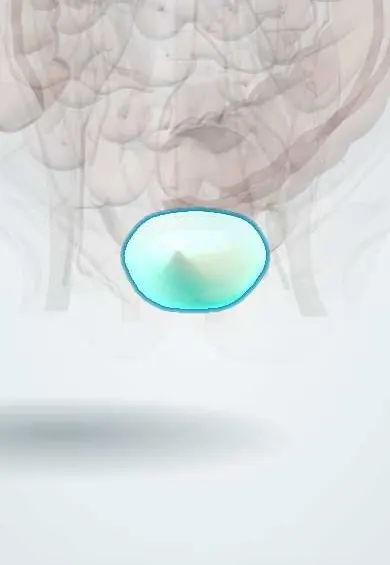
Structures involved
Tap one to see what it is and open it in 3D.
In the clinical exam
Why it happens
What it is
A symptom syndrome of urinary urgency, usually with frequency and night-time urination (nocturia), with or without urge incontinence, when infection and other obvious causes have been excluded. It is often linked to involuntary contractions of the detrusor muscle.
Who gets it
Common in adults and rises with age; it affects both sexes, and urge incontinence is more frequent in women and older adults. It is under-reported because many people consider it a normal part of ageing.
Causes
- Most cases idiopathic (no specific cause found)
- Detrusor overactivity from neurological disease (stroke, Parkinson disease, multiple sclerosis, spinal cord disease)
- Bladder outlet obstruction, such as benign prostatic hyperplasia in men
- Bladder irritation: infection, stones, tumour
- Menopausal changes of the urogenital tissues
Risk factors
- Older age and female sex
- Obesity
- Caffeine, alcohol and large fluid intakes
- Neurological disease, diabetes
- Prostate enlargement
- Constipation and reduced mobility
Pathophysiology
The detrusor muscle normally relaxes while the bladder fills, controlled by sympathetic and higher-centre inhibition. In overactive bladder, abnormal afferent signalling or reduced central inhibition lets the detrusor contract during filling (mediated by muscarinic M3 receptors), producing urgency and, if the sphincter cannot hold, leakage.
Classification
- Dry overactive bladder (urgency and frequency without leakage)
- Wet overactive bladder (with urge incontinence)
- Mixed incontinence when stress incontinence coexists
Symptoms and signs
- Sudden, compelling urge to urinate that is hard to postpone
- Frequent urination (often more than eight times a day)
- Nocturia
- Leakage on the way to the toilet or with triggers (running water, a key in the door)
- Impact on sleep, work, social life and mood
Diagnosis
- Clinical
- Clinical diagnosis from history and a bladder diary (frequency–volume chart for at least 3 days), plus abdominal, pelvic or prostate and neurological examination; review of drugs and fluid habits.
- Tests
- Urinalysis (and culture if suggestive) to exclude infection and blood; post-void residual volume measured by bladder ultrasound or catheter; glucose. Urodynamic studies only in complex cases or before invasive treatment.
- Imaging
- Bladder ultrasound for post-void residual; further imaging or cystoscopy only when there is haematuria or suspicion of another disease.
Differential diagnosis
- Urinary tract infection
- Stress urinary incontinence or mixed incontinence
- Overflow incontinence from retention (prostate obstruction, neurogenic bladder)
- Interstitial cystitis (bladder pain syndrome)
- Polyuria from diabetes, diuretics or high fluid intake
- Bladder cancer or stones
Goal of treatment
Reduce urgency, frequency and leakage and improve quality of life with the least invasive effective treatment.
Treatment
- Lifestyle
- First line: adjusting fluid timing, cutting caffeine and alcohol, weight loss, treating constipation; scheduled voiding and bladder training to lengthen the interval between voids.
- Rehabilitation
- Pelvic floor muscle training with urge-suppression techniques, ideally supervised.
- Medical
- Antimuscarinic drugs or beta-3 adrenergic agonists when behavioural measures are not enough; antimuscarinics cause dry mouth and constipation and carry cognitive risk in older adults. Vaginal oestrogen may help after menopause.
- Procedure
- For refractory cases: botulinum toxin injection into the detrusor (with possible need for self-catheterisation), tibial or sacral nerve stimulation.
- Follow-up
- Follow-up with the bladder diary; nursing focus on toilet access, skin care and fall prevention at night.
Drugs for this condition
Complications
- Falls and fractures when hurrying to the toilet at night
- Skin irritation and incontinence-associated dermatitis
- Sleep disturbance, anxiety, depression and social isolation
- Urinary retention after botulinum toxin
Prognosis
A chronic condition that fluctuates; most people improve with behavioural treatment and drugs, but long-term adherence to drugs is often poor. Refractory cases usually respond to third-line options.
Prevention
- Healthy weight, avoiding constipation and limiting bladder irritants
- Pelvic floor exercises
Test yourself
Think of the answer, then tap the question to see it.
What symptom defines overactive bladder?
Urinary urgency, usually with frequency and nocturia, with or without urge incontinence, after excluding infection.
Which muscle and receptor are involved in the involuntary contractions?
The detrusor muscle, contracting through muscarinic (M3) receptors.
What is the first-line treatment?
Behavioural therapy: bladder training, scheduled voiding, fluid and caffeine adjustment and pelvic floor training.
Why are antimuscarinics used with caution in older adults?
Their anticholinergic effects can cause confusion and cognitive decline, plus dry mouth, constipation and retention.
Related conditions
- Stress urinary incontinence
- Urinary tract infection (acute cystitis)
- Neurogenic bladder
- Benign prostatic hyperplasia
- Interstitial cystitis (bladder pain syndrome)
- Urinary incontinence in older adults (urge, overflow, functional)
- Genitourinary syndrome of menopause (atrophic vaginitis)
- Pelvic organ prolapse
- Bladder cancer
Educational information, not medical advice. For any symptom, see a health professional.
Sources: Urge incontinence: MedlinePlus Medical Encyclopedia (MedlinePlus (U.S. National Library of Medicine), 2024); Bladder Control Problems (Urinary Incontinence) (NIDDK (National Institutes of Health), 2024).
Spotted a mistake?We are always improving for the community. Tell us what is wrong and our team will review it.Report a mistake
Representative model, for educational purposes only.