Conditions · Nephrology and urology
Male infertility !
Male infertility means a man cannot get his partner pregnant after a year of regular unprotected sex, usually from a problem making or carrying sperm.
Updated 2026-11-01
Structures involved
Tap one to see what it is and open it in 3D.
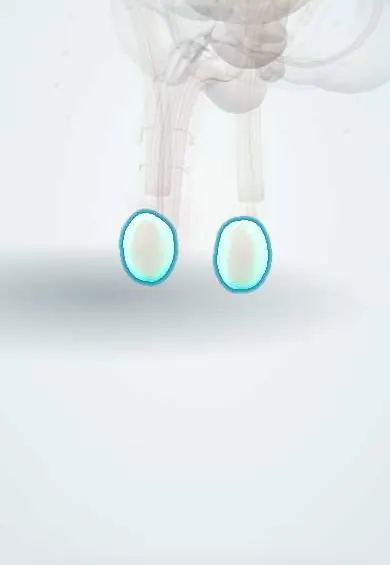
- Testes
- Epididymis
- Ductus deferens
- Testicular veins and pampiniform plexus
- Seminal vesicles
- Ejaculatory ducts
- Prostate
- Spermatic cord
- Scrotum
- Pituitary gland
- Hypothalamus
Why it happens
- Sex chromosome disorders: Klinefelter and Turner
- Cystic fibrosis: from the CFTR channel to organ damage
- The male gonadal axis and spermatogenesis
- Testosterone and its actions
- Testis: seminiferous tubules, Sertoli and Leydig cells, spermatogenesis
- Epididymis, vas deferens, seminal glands and prostate
What it is
Failure of a couple to achieve pregnancy after 12 months or more of regular unprotected intercourse when the cause lies entirely or partly in the man. It is usually due to problems with sperm production in the testes, blockage of the ducts that carry sperm, hormone disorders or problems with ejaculation.
Who gets it
Infertility affects about one in six people of reproductive age worldwide, and a male factor is the only or a contributing cause in about 40% of infertile couples. In Colombia and Latin America many couples have limited access to fertility services, and the male partner is often assessed late or not at all.
Causes
- Primary testicular failure: varicocele, cryptorchidism, orchitis (for example mumps), testicular trauma or torsion, chemotherapy or radiotherapy
- Genetic causes: Klinefelter syndrome (47,XXY), Y-chromosome microdeletions, cystic fibrosis gene variants with absent vas deferens
- Hypothalamic-pituitary disorders (secondary hypogonadism): pituitary tumours, hyperprolactinaemia, Kallmann syndrome, anabolic steroid or testosterone use
- Obstruction of sperm transport: previous infection (chlamydia, gonorrhoea, tuberculosis), vasectomy, congenital absence of the vas deferens, ejaculatory duct obstruction
- Ejaculatory disorders: retrograde ejaculation (diabetes, prostate surgery, some drugs), erectile dysfunction
- Idiopathic: no cause is found in a large share of men with abnormal semen
Risk factors
- Smoking, heavy alcohol use and recreational drugs
- Obesity and diabetes
- Anabolic steroids or exogenous testosterone
- Heat exposure of the testes and some occupational toxins (pesticides, heavy metals)
- History of undescended testis, mumps orchitis or sexually transmitted infections
- Chemotherapy, radiotherapy or pelvic and inguinal surgery
Pathophysiology
Spermatogenesis needs FSH acting on Sertoli cells and high testosterone inside the testis made by Leydig cells under LH. Damage to the testis (primary hypogonadism) gives low sperm output with high FSH and LH; hypothalamic or pituitary failure (secondary hypogonadism) gives low FSH, LH and testosterone. Normal production with blocked ducts gives obstructive azoospermia with normal hormones and testis size. Varicocele is thought to impair sperm by raising testicular temperature and oxidative stress.
Classification
- Pre-testicular (hormonal, hypothalamic-pituitary)
- Testicular (primary spermatogenic failure)
- Post-testicular (obstruction or ejaculatory dysfunction)
- By semen analysis: azoospermia (no sperm), oligozoospermia (low count), asthenozoospermia (poor motility), teratozoospermia (abnormal shape)
- Obstructive versus non-obstructive azoospermia
Symptoms and signs
- Usually no symptoms other than failure to conceive
- Small or soft testes
- A scrotal swelling that feels like a bag of worms, larger when standing (varicocele)
- Reduced libido, erectile problems, less body hair or gynaecomastia (hypogonadism)
- Low semen volume or cloudy urine after orgasm (retrograde ejaculation)
Diagnosis
- Clinical
- History of the couple (time trying, sexual frequency, previous pregnancies), childhood conditions, infections, drugs, toxins and surgery. Examination of secondary sex characteristics, testicular volume and consistency, presence of both vasa deferentia, epididymis and varicocele (standing and with Valsalva). The female partner is assessed in parallel.
- Tests
- Semen analysis is the key first test, repeated if abnormal (volume, concentration, motility, morphology, compared with WHO reference values). Hormones: morning testosterone, FSH, LH and prolactin. Karyotype and Y-chromosome microdeletion testing in severe oligozoospermia or non-obstructive azoospermia; CFTR testing if the vas deferens is absent. Post-ejaculatory urine for sperm if retrograde ejaculation is suspected.
- Imaging
- Scrotal ultrasound with Doppler for varicocele and testicular masses; transrectal ultrasound for ejaculatory duct obstruction; pituitary MRI if prolactin is high or gonadotropins are low.
Differential diagnosis
- Female factor or combined infertility
- Infrequent or poorly timed intercourse
- Erectile or ejaculatory dysfunction as the main problem
- Temporary low sperm count after fever, illness or drug exposure
Goal of treatment
Find and correct treatable causes, improve sperm quality and help the couple achieve pregnancy, choosing natural conception, sperm retrieval or assisted reproduction according to the cause and the female partner's age.
Treatment
- Lifestyle
- Lifestyle: weight loss, stopping smoking, limiting alcohol, avoiding anabolic steroids and exogenous testosterone (which suppress sperm production), and reducing heat and toxin exposure.
- Medical
- Medical: gonadotropins for hypogonadotropic hypogonadism, dopamine agonists for hyperprolactinaemia, antibiotics for genital tract infection, and alpha-agonists in some cases of retrograde ejaculation.
- Surgical
- Surgical: varicocele repair (microsurgical ligation or embolisation) in men with a palpable varicocele and abnormal semen; reconstruction of blocked ducts (vasectomy reversal, vasoepididymostomy) or transurethral resection of the ejaculatory ducts.
- Procedure
- Assisted reproduction: intrauterine insemination, in vitro fertilisation or intracytoplasmic sperm injection (ICSI), using ejaculated sperm or sperm retrieved from the epididymis or testis; donor sperm when no sperm can be found.
- Follow-up
- Follow-up: repeat semen analysis after treatment, genetic counselling when a genetic cause is found, and sperm banking before chemotherapy, radiotherapy or testicular surgery.
Complications
- Psychological distress, anxiety and strain on the relationship
- Missed diagnosis of an underlying disease (testicular cancer, pituitary tumour, genetic syndrome)
- Lower testosterone and its effects on bone and metabolic health
- Transmission of genetic causes to offspring conceived by ICSI
Prognosis
Depends on the cause. Hormonal causes and varicocele often respond to treatment; obstructive azoospermia has good results with surgery or sperm retrieval; non-obstructive azoospermia has the poorest outlook, although sperm can sometimes be retrieved from the testis for ICSI. Men with abnormal semen have higher rates of testicular cancer and general ill health.
Prevention
- Mumps vaccination
- Prevention and early treatment of sexually transmitted infections
- Early surgery (orchidopexy) for undescended testes in childhood
- Avoiding anabolic steroids, tobacco and heavy alcohol use
- Sperm banking before gonadotoxic cancer treatment
Test yourself
Think of the answer, then tap the question to see it.
What is the first and most important test in evaluating male infertility?
Semen analysis, repeated if abnormal, assessing volume, sperm concentration, motility and morphology.
What is the most common correctable cause of male infertility?
Varicocele, a dilated pampiniform venous plexus, usually on the left side.
Which hormone pattern suggests primary testicular failure?
Low or normal testosterone with high FSH and LH (hypergonadotropic hypogonadism), often with small testes.
A man with cystic fibrosis has azoospermia with normal hormones. What is the likely cause?
Congenital bilateral absence of the vas deferens, which causes obstructive azoospermia while sperm production is preserved.
Why does exogenous testosterone reduce fertility?
It suppresses LH and FSH by negative feedback, lowering intratesticular testosterone and sperm production.
Related conditions
- Female infertility
- Varicocele
- Cryptorchidism (undescended testis)
- Klinefelter syndrome (47,XXY)
- Male hypogonadism
- Cystic fibrosis
- Mumps
- Epididymitis
- Chlamydia infection
- Gonorrhoea
- Testicular cancer
- Erectile dysfunction
- Prolactinoma (hyperprolactinaemia)
Educational information, not medical advice. For any symptom, see a health professional.
Sources: Male Infertility (MedlinePlus (U.S. National Library of Medicine), 2024); What are some possible causes of male infertility? (Eunice Kennedy Shriver National Institute of Child Health and Human Development (NICHD), 2024); Infertility (World Health Organization, 2025).
Spotted a mistake?We are always improving for the community. Tell us what is wrong and our team will review it.Report a mistake
Representative model, for educational purposes only.