Urinary incontinence in older adults (urge, overflow, functional) !
Urinary incontinence is involuntary leakage of urine. It is common in later life but not a normal part of ageing, and most causes can be treated or improved.
Updated 2026-11-01
Structures involved
Tap one to see what it is and open it in 3D.
- Urinary bladder
- External urethral sphincter
- Trigone of bladder
- Urethra (female)
- Pubococcygeus
- Pudendal nerve
- Prostate
In the clinical exam
- Comprehensive geriatric assessment: function, cognition, falls
- Bladder examination: the distended bladder
Why it happens
- How organs age: normal changes vs disease
- Micturition and the bladder reflex
- Ureter, bladder and urethra: urothelium
What it is
Any involuntary loss of urine. In older adults it is a geriatric syndrome with several types: urge (overactive bladder), overflow (incomplete emptying), functional (cannot reach the toilet in time), stress and mixed. It is often transient and reversible when caused by an acute problem.
Who gets it
Very common in older adults, more in women and in people living in care homes; many never report it because of embarrassment or the belief that it is normal with age. It is a frequent reason for social isolation and for admission to long-term care.
Causes
- Urge: detrusor overactivity, idiopathic or from stroke, Parkinson disease, dementia or spinal disease
- Overflow: bladder outlet obstruction (benign prostatic hyperplasia, stricture, constipation) or an underactive detrusor (diabetic neuropathy, spinal injury, anticholinergic drugs)
- Functional: reduced mobility, dementia or environmental barriers despite a normal urinary tract
- Stress: weak pelvic floor or urethral sphincter (covered on its own page)
- Transient causes (DIAPPERS mnemonic): delirium, infection, atrophic urethritis or vaginitis, pharmaceuticals, psychological, excess urine output, restricted mobility, stool impaction
Risk factors
- Advanced age and female sex; enlarged prostate in men
- Previous pregnancies and births, menopause and pelvic surgery
- Neurological disease: stroke, Parkinson disease, dementia, multiple sclerosis
- Diabetes, obesity and chronic cough
- Diuretics, sedatives, anticholinergic drugs and alpha-blockers
- Limited mobility and constipation
Pathophysiology
Continence needs a compliant bladder, a detrusor that contracts only when allowed, a competent sphincter and pelvic floor, intact nerves, and the ability to reach a toilet. Urge leakage comes from involuntary detrusor contractions; overflow from retention with a bladder so full that pressure exceeds outlet resistance; functional leakage from mobility or cognitive barriers. Ageing reduces bladder capacity and increases night-time urine production, lowering the margin for error.
Classification
- Urge incontinence (overactive bladder)
- Overflow incontinence
- Functional incontinence
- Stress incontinence
- Mixed (usually stress plus urge)
- Transient (reversible) versus established
Symptoms and signs
- Urge: sudden strong need to void with leakage before reaching the toilet, frequency and nocturia
- Overflow: frequent dribbling, weak stream, hesitancy and a feeling of incomplete emptying
- Functional: leakage because the person cannot get to or use the toilet in time
- Stress: small leaks with coughing, sneezing or lifting
- Skin irritation, odour and social withdrawal
Diagnosis
- Clinical
- History of type and triggers, a 3-day bladder diary, fluid intake, medication review, mobility and cognition; abdominal, pelvic or rectal examination (prostate, prolapse, atrophy, impaction) and a neurological examination.
- Tests
- Urinalysis and urine culture if symptomatic; post-void residual volume (by bladder scanner or catheter: a high residual suggests overflow); kidney function and glucose; urodynamic studies when the diagnosis is unclear or before surgery.
- Imaging
- Bladder ultrasound for post-void residual; renal ultrasound when retention or hydronephrosis is suspected; cystoscopy for haematuria.
Differential diagnosis
- Urinary tract infection
- Acute urinary retention
- Polyuria from hyperglycaemia, hypercalcaemia or diuretics
- Vesicovaginal fistula
- Bladder cancer presenting with irritative symptoms
Goal of treatment
Find and treat reversible causes, then match treatment to the type of incontinence to reduce leakage, protect the skin and keep dignity and independence.
Treatment
- Conservative
- First line for urge and mixed: bladder training, timed or prompted voiding (especially in dementia), pelvic floor muscle training, fluid and caffeine adjustment, and treating constipation.
- Medical
- Urge: antimuscarinic drugs (avoided where possible in older adults because of cognitive effects) or beta-3 agonists such as mirabegron; vaginal oestrogen for atrophy. Overflow from prostatic obstruction: alpha-blockers and 5-alpha-reductase inhibitors. Stop or adjust causative drugs.
- Procedure
- Clean intermittent catheterisation for overflow from an underactive bladder; intradetrusor botulinum toxin or nerve stimulation for refractory urge incontinence.
- Surgical
- Surgery for prostatic obstruction or stress incontinence in selected patients.
- Follow-up
- Nursing priorities: scheduled toileting, easy access to the toilet or commode, skin protection against incontinence-associated dermatitis, and avoiding indwelling catheters unless clearly indicated because of infection risk.
Complications
- Incontinence-associated dermatitis and pressure injury
- Urinary tract infection, and catheter-associated infection
- Falls when hurrying to the toilet, especially at night
- Social isolation, depression and caregiver burden
- Upper-tract damage from chronic retention in overflow
Prognosis
Transient incontinence usually resolves when the cause is treated. Established incontinence improves in many people with behavioural measures and targeted drugs, although cure is less likely in advanced dementia or immobility.
Prevention
- Pelvic floor exercises and healthy weight
- Treating constipation and reviewing drugs that affect the bladder
- Keeping mobility and easy toilet access
Test yourself
Think of the answer, then tap the question to see it.
Which mnemonic lists the transient, reversible causes of urinary incontinence in older adults?
DIAPPERS: delirium, infection, atrophic vaginitis or urethritis, pharmaceuticals, psychological, excess urine output, restricted mobility, stool impaction.
Which bedside measurement helps distinguish overflow from urge incontinence?
The post-void residual volume: a large residual suggests retention with overflow.
What is the most common cause of overflow incontinence in older men?
Bladder outlet obstruction from benign prostatic hyperplasia.
Why are antimuscarinic drugs used cautiously for urge incontinence in older adults?
Their anticholinergic effects can cause confusion, constipation, urinary retention and dry mouth, and add to cognitive decline.
What is functional incontinence?
Leakage in a person with a normal urinary tract who cannot reach or use the toilet in time because of reduced mobility, cognition or environmental barriers.
Related conditions
- Stress urinary incontinence
- Benign prostatic hyperplasia
- Urinary tract infection (acute cystitis)
- Pelvic organ prolapse
- Dementia (major neurocognitive disorder)
- Falls in older adults
Educational information, not medical advice. For any symptom, see a health professional.
Sources: Urinary Incontinence (MedlinePlus (U.S. National Library of Medicine), 2025).
Spotted a mistake?We are always improving for the community. Tell us what is wrong and our team will review it.Report a mistake
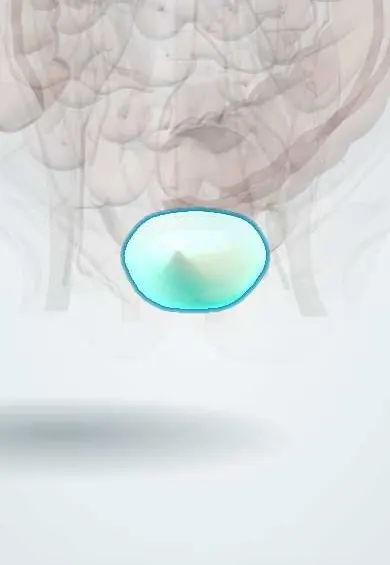
Representative model, for educational purposes only.